
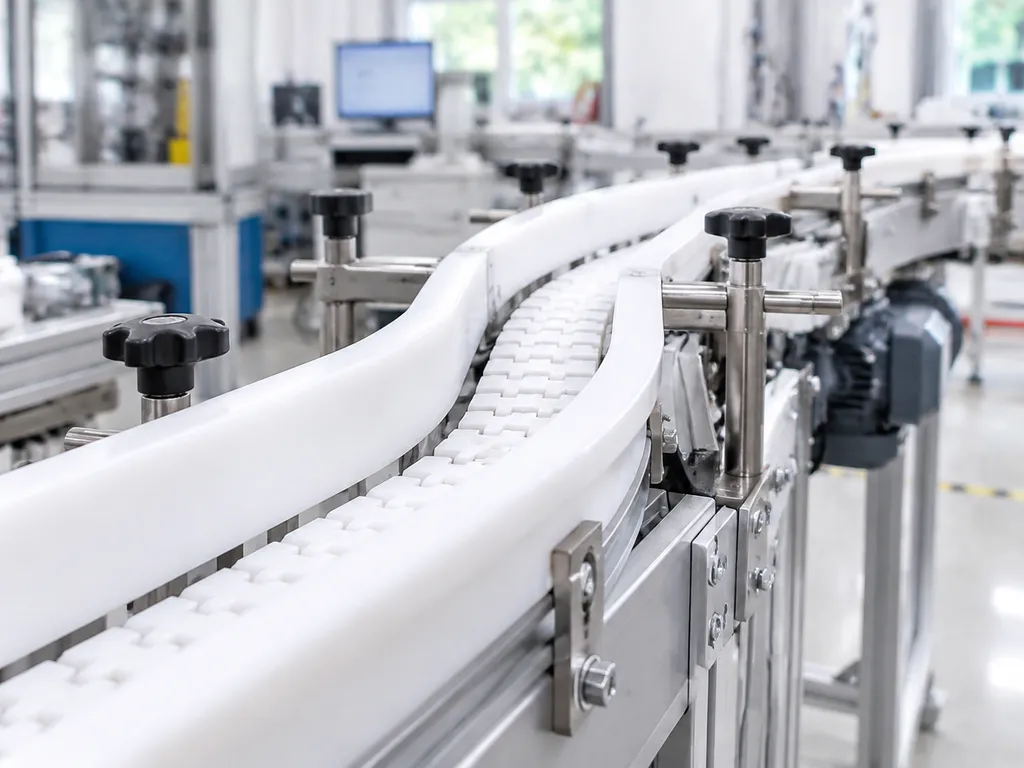
Nylon Conveyor Chain Guide A Guide to Low Friction Wear Resistance Applications Selection Installation and Maintenance for Reliable Conveyors
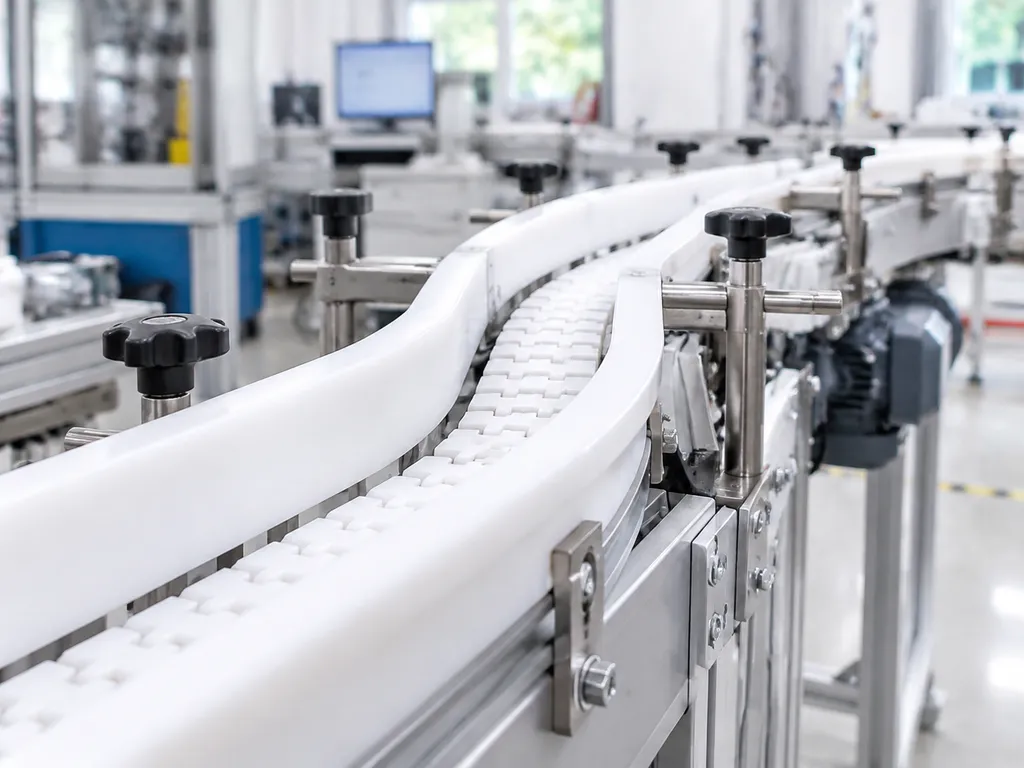
As someone who has worked in industrial material handling for years, I’ve seen firsthand how a simple upgrade to the right Nylon Conveyor Chain Guide can drastically reduce friction, slash noise, and extend the lifespan of your entire system.
In this guide, you’re going to learn exactly how to identify, select, and maintain these essential parts. Whether you’re weighing the benefits of Nylon vs. Metal and UHMWPE or looking for the best installation and maintenance practices to keep your facility running smoothly, this breakdown covers everything you need to know .
Let’s dive in.
What Is a Nylon Conveyor Chain Guide?
Definition and Purpose
A nylon conveyor chain guide is a precision-engineered industrial component designed to support, guide, and protect conveyor chains during operation. Manufactured from high-grade polymers such as PA6 or PA66, these guides serve as the interface between the moving chain and the stationary conveyor frame. Their primary function is to maintain accurate chain alignment, ensuring smooth product flow while minimizing mechanical stress on the drive system.
Why Use Chain Guides in Material Handling
In high-speed material handling environments, metal-on-metal contact between chains and tracks can lead to rapid equipment degradation, excessive noise, and high energy consumption. Implementing nylon chain guides provides several critical operational benefits:
-
- Friction Reduction: The inherent properties of industrial nylon significantly lower the coefficient of friction, resulting in smoother transitions and reduced wear on expensive chain links.
- Vibration Control: These components act as a dampening layer, absorbing the kinetic energy and vibration generated by high-speed conveyor lines.
- Extended Lifespan: By acting as a sacrificial wear component, chain guides protect the structural integrity of the conveyor frame and the chain assembly, ultimately reducing the total cost of ownership. Operational Stability: Precise dimensional accuracy ensures that chains remain properly tracked, preventing costly downtime caused by jams or misalignment.
Key Advantages of Nylon Chain Guides
Superior Wear and Chemical Resistance
Nylon (PA6/PA66) is engineered for durability in harsh industrial environments. Its molecular structure provides high impact strength and excellent resistance to wear, ensuring that components withstand constant mechanical stress without premature degradation. Furthermore, Nylon demonstrates notable resistance to oils, greases, and various chemical solvents, making it a reliable choice for production lines where surface cleaning and chemical exposure are common.
Low Friction and Noise Reduction
One of the primary benefits of using Nylon for conveyor systems is its self-lubricating property. By minimizing the coefficient of friction, these guides reduce energy consumption and decrease heat buildup during high-speed operations. This internal lubrication also plays a critical role in noise dampening, creating a quieter, more efficient work environment compared to rigid, non-plastic alternatives.
Comparison: Nylon vs. Metal and UHMWPE
Selecting the right material depends on your specific load and environment. While metal offers extreme strength, it lacks the noise reduction and self-lubricating benefits of engineering plastics. When comparing options, engineers often evaluate how materials balance load-bearing capacity with maintenance requirements. Understanding the specific properties of high-performance plastics helps in making an informed decision for your conveyor system components.
| Feature | Nylon (PA6/PA66) | UHMWPE | Metal (Steel/Aluminum) |
|---|---|---|---|
| Wear Resistance | High | Excellent | Moderate |
| Self-Lubrication | Good | Excellent | Poor |
| Noise Level | Low | Very Low | High |
| Heat Resistance | High | ||
| Low to Moderate | Very High | ||
| Strength | Very High | Moderate | Extreme |
Common Types and Profiles
U-Shaped and Flat Chain Guides
We provide various shapes to fit specific chain architectures. U-shaped guides are standard for encapsulating the chain to prevent lateral movement, while flat guides serve as base tracks for supporting horizontal loads. These designs help maintain consistent alignment, significantly reducing vibration in high-speed systems.
Custom Profile and Neck Guides
Every production line has unique requirements. We utilize advanced CNC machining to create custom profiles and neck guides that match your specific drawing or sample. Whether you require irregular geometries or specialized curves to navigate bottle transfers, these bespoke parts ensure seamless movement. For those interested in material versatility, our expertise extends to UHMWPE rod properties, applications, and machining guide to support diverse structural needs.
Wear Strips and Slide Rails
Wear strips and slide rails act as the primary contact surfaces that absorb friction, protecting both the conveyor belt and the main frame. By utilizing high-performance Nylon or other specialized plastics, these components offer excellent sliding characteristics. Their role is critical in extending the service life of conveyor system components by minimizing direct metal-on-metal contact.
Primary Industrial Applications
Food, Beverage, and Packaging
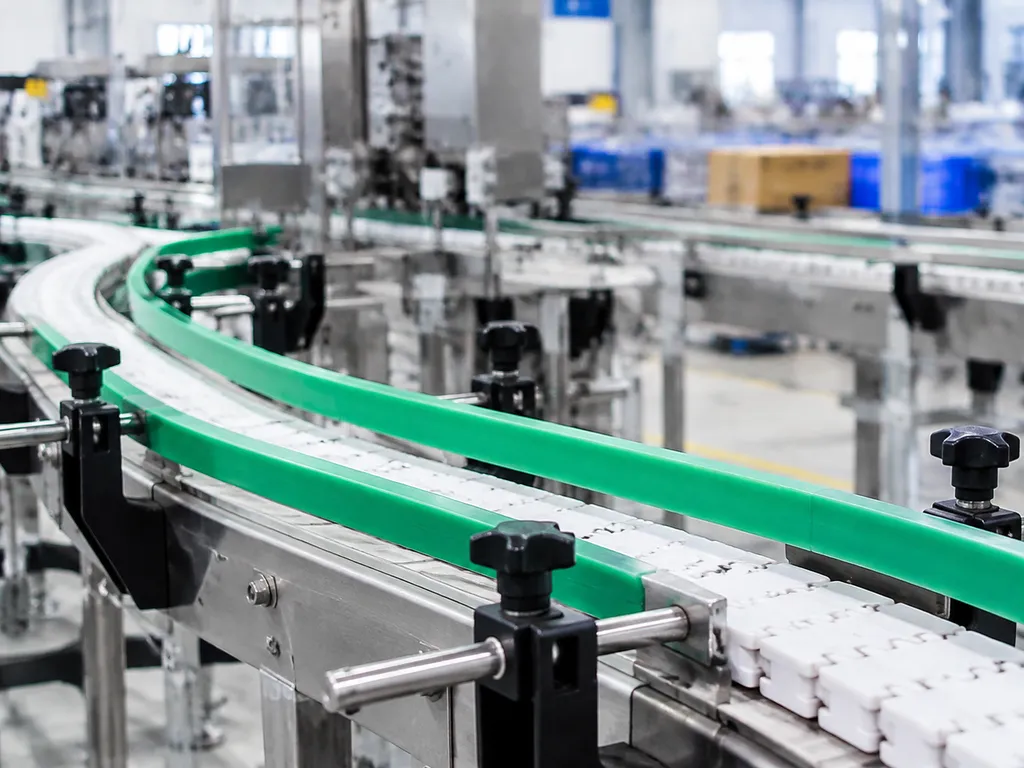
In high-throughput bottling and food processing environments, nylon conveyor chain guides provide a sanitary and wear-resistant solution. These components withstand frequent wash-downs and chemical exposure while maintaining the precise alignment required for rapid-fire packaging lines. By minimizing friction, these guides protect conveyor chains from premature wear, ensuring consistent production flow without the risk of contamination often associated with lubricated metal tracks.
Automotive and Manufacturing
Automotive assembly lines demand high-precision conveyor system components that can handle heavy-duty loads and continuous operation. Nylon guides serve as essential slide rails for heavy transport chains, offering the structural integrity needed to support steel chain assemblies. Their vibration-dampening qualities are critical in manufacturing cells where precision positioning is necessary to ensure accuracy in robotic welding and automated assembly tasks. For environments requiring higher hardness or specific thermal stability, engineers often evaluate these against POM sheet and rod options to achieve the best performance balance.
Conveyor and Material Handling Systems
Across general material handling, nylon chain tracks act as the backbone for smooth, quiet, and reliable movement. Whether utilized in automated sorting centers or warehouse distribution lines, these guides effectively manage lateral and vertical forces placed on chains. Their natural self-lubricating properties reduce the need for external maintenance, preventing debris buildup and extending the service life of both the chain and the track. By integrating these custom-machined plastic profiles, facilities significantly reduce operational downtime and noise pollution across their conveyor networks.
How to Select the Right Chain Guide
Selecting the appropriate material for your conveyor system is critical for operational efficiency. When comparing chain guide rail materials, you must evaluate the specific physical and chemical demands of your production environment.
Assessing Load and Temperature Requirements
Nylon (PA6/PA66) is often selected for its superior strength-to-weight ratio and ability to handle higher mechanical loads compared to softer plastics. It maintains structural integrity under pressure, making it ideal for high-speed automated lines.
| Feature | Nylon (PA6/PA66) | UHMW-PE |
|---|---|---|
| Mechanical Strength | High | Moderate |
| Heat Resistance | Excellent | Limited |
| Load Capacity | High | Moderate |
| Vibration Dampening | High | Excellent |
Environmental and Chemical Exposure
Beyond load, consider the chemical environment. Nylon offers high resistance to many industrial solvents and lubricants, though it may absorb moisture depending on the grade. In high-moisture or washdown environments common in food processing, ensuring the correct material grade is vital to prevent swelling or degradation.
Customization Options for Specific Systems
Standard profiles do not always fit unique machinery. We provide custom CNC machining services to ensure your chain guides meet precise dimensional tolerances based on your specific drawings or samples. Bespoke components allow for: Perfect alignment for complex conveyor paths. Reduced friction in specific high-wear zones. Optimized geometry for specific chain sizes and speed requirements.
Installation and Maintenance Best Practices
Proper Installation Techniques
Correct installation is critical for ensuring the longevity of your nylon conveyor chain guide system. Because nylon can exhibit thermal expansion and contraction, mounting holes should be slotted to allow for dimensional adjustments. Always ensure the guide is perfectly aligned with the conveyor path to prevent unnecessary side-loading or premature wear. Secure the guides using corrosion-resistant hardware, ensuring that bolt heads are countersunk to avoid interference with the moving chain.
Maintenance Tips for Increased Longevity
Regular inspection and proactive care keep conveyor systems running efficiently. Focus on these maintenance habits: Keep Tracks Clean: Regularly remove debris, dust, or abrasive particles that can accelerate the degradation of both the guide and the chain. Monitor Friction Levels: While nylon offers excellent self-lubricating properties, monitor for signs of heat build-up or increased drag, which may indicate a need for alignment correction. Periodic Inspection: Routinely check for uneven wear patterns, which often signal that the chain is tracking off-center. Surface Condition: Clean the surfaces of UHMW plastic components and nylon guides to maintain low-friction performance.
When to Replace Worn Guides
Replacement should be scheduled before the guide loses its structural integrity. Key indicators that it is time to source new components include: Visible Grooving: Deep tracks or grooves caused by the chain indicate that the material has reached its service life limit. Loss of Dimensional Tolerance: When the chain starts to oscillate or wander due to excessive clearance, the guide is no longer providing adequate support. Vibration and Noise: A noticeable increase in operational noise is often the first sign that the wear pads have lost their dampening efficiency.
By maintaining high-precision components, you ensure the continued efficiency of your conveyor system. If your current setup shows significant wear, consider professional-grade, custom-machined parts to restore peak operational standards.
Pingback: Conveyor Guide to Food Processing Systems and Safety - UHMWPE Sheet Manufacturer & Custom Plastic Machining -Jincheng