
What Is a Chain Guide Rail Learn how it reduces friction noise and wear while improving chain alignment materials types applications and maintenance t
What Is a Chain Guide Rail?
Definition and Basic Function
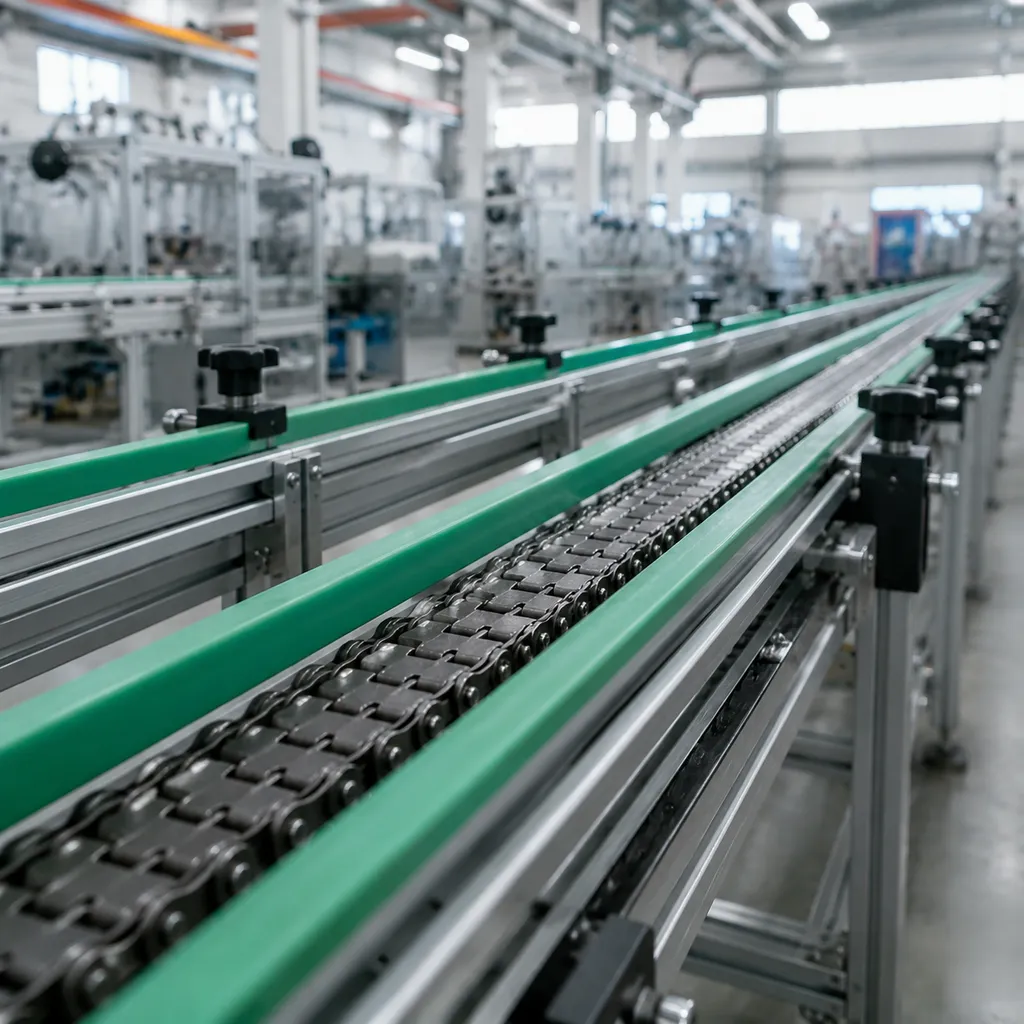
A chain guide rail is a specialized structural component engineered to provide a stable, low-friction path for conveyor chains. Its primary purpose is to ensure the chain remains aligned during operation, preventing sagging, lateral shifting, or derailment. By acting as a protective track, the guide rail serves as a critical interface between the moving chain and the stationary conveyor frame, effectively managing the mechanical forces exerted during transport.
How Chain Guides Work in Mechanical Systems
In industrial conveyor systems, chain guide rails facilitate smooth transmission efficiency by maintaining consistent chain tension. As the chain travels along the guide, the rail absorbs the load and guides the movement, which minimizes contact between the metal chain and the conveyor structure. Key operational roles include:
-
- Load Distribution: Supporting the weight of the chain and the conveyed products to prevent excessive stress on the drive motor.
- Path Correction: Keeping the chain on a predefined trajectory, which is essential for high-speed packaging or bottling lines.
- Friction Management: Providing a specialized surface that allows the chain to glide with minimal resistance, thereby reducing the energy required for operation.
By integrating precision-machined guide rails, systems can achieve higher stability and extended service life, as these components are designed to withstand constant contact and movement within demanding industrial environments.
Key Benefits of Using Chain Guide Rails
Integrating high-performance guide rails into conveyor and transmission systems offers significant operational advantages. By utilizing specialized engineering plastics, these components ensure long-term reliability and efficiency.
Reducing Friction and Wear
Chain guide rails act as a protective track that minimizes direct contact between the chain and the conveyor frame. Materials like UHMW-PE are preferred for their self-lubricating properties, which lower the coefficient of friction. This reduction in drag prevents premature surface fatigue on both the chain links and the guide profile. For details on how material dimensions impact load handling, refer to our UHMWPE sheet thickness guide for wear and load needs.
Noise Reduction and Vibration Damping
Mechanical systems often generate significant noise due to metal-on-metal contact. Installing plastic-based guides effectively dampens vibrations, creating a smoother and quieter operating environment. This is critical in high-speed packaging and food processing lines where noise control and smooth chain movement are standard safety and comfort requirements.
Improving Chain Alignment and Stability
Effective chain stabilization is essential to prevent lateral movement and sagging during high-load operations. Properly engineered guide rails maintain constant tension, which improves overall transmission efficiency.
| Feature | Industrial Benefit |
|---|---|
| Low Friction | Decreased energy consumption and motor load |
| Wear Resistance | Extended component service life |
| Vibration Damping | Reduced noise and structural strain |
| Precision Profile | Consistent alignment and stable chain path |
By incorporating custom-machined components, manufacturers can ensure that their guide systems are perfectly tailored to specific conveyor dimensions, ensuring maximum stability throughout the lifecycle of the equipment.
Common Materials Used for Chain Guides
Selecting the right material is essential for optimizing the performance of your conveyor systems. Engineering plastics and reinforced composites are industry staples because they provide the specific mechanical properties required to handle continuous motion.
UHMW (Ultra-High Molecular Weight Polyethylene)
UHMW-PE is widely considered the industry standard for guide rail components. Its exceptional wear resistance and extremely low coefficient of friction allow it to handle high-speed chain movement with minimal energy loss. Because of its self-lubricating nature and chemical inertness, it is the primary material choice for food, beverage, and packaging lines. You can find detailed technical comparisons on how to choose the right chain guide rail material: UHMW-PE vs. Nylon vs. HDPE vs. PTFE to determine which grade best suits your specific operational demands.
Plastic and Polymer Composites
Beyond standard UHMW, various polymer composites are utilized to address specific environmental challenges. These materials are engineered to offer high impact strength and temperature stability. Depending on the application, specialized plastic formulations can be used to improve noise reduction and vibration damping, providing a more stable protective track for your machinery. These materials are favored for their ability to resist corrosion in wash-down or chemical-heavy environments where metal components would typically fail.
Metal-Reinforced Guide Rails
In heavy-duty applications where structural rigidity is the priority, metal-reinforced guide rails are often employed. These systems combine the low-friction surface benefits of engineered plastics with the high tensile strength and load-bearing capacity of steel or aluminum backing. This design effectively stabilizes the chain under high-tension conditions, preventing lateral movement and ensuring precise alignment throughout the entire power transmission cycle.
Types and Classifications of Chain Guides
Chain guide configurations vary significantly depending on the load, speed, and environmental requirements of the machinery. Selecting the correct classification is essential for maintaining transmission efficiency and protecting system components.
Industrial Roller Chain Guides
In heavy-duty material handling, industrial roller chain guides are engineered to manage high-tension chain movement. These systems often utilize precision-machined UHMW-PE profiles to provide a stable, low-friction track. Because these environments demand high wear resistance, components like nylon chain sprockets are often paired with these guides to ensure smooth engagement and long-term durability in bottling and packaging lines.
Bicycle and Drivetrain Chain Guides
While distinct from industrial versions, drivetrain chain guides serve the same primary goal: keeping the chain on the ring. These units are typically lighter and designed for high-speed lateral movement and vibration control. Unlike industrial tracks, they focus on preventing “chain slap” and derailment during rapid shifts or impacts on uneven terrain.
Top Guides vs. Full Chain Guides
The structural design of a guide is determined by how much support the chain requires: Top Guides: Primarily used to manage chain sag and maintain alignment along the top span of a conveyor. They act as a protective track to prevent contact between the chain and the frame. Full Chain Guides: These provide 360-degree or C-channel containment. They are essential for applications where lateral stability is critical, or where the chain needs to be guided through curves and elevation changes.
By understanding these classifications, you can better match the hardware to your specific mechanical requirements, ensuring that your plastic tabletop chain manufacturer specifications align with the physical demands of your production facility.
Applications of Chain Guide Rails
Industrial Conveyor Systems
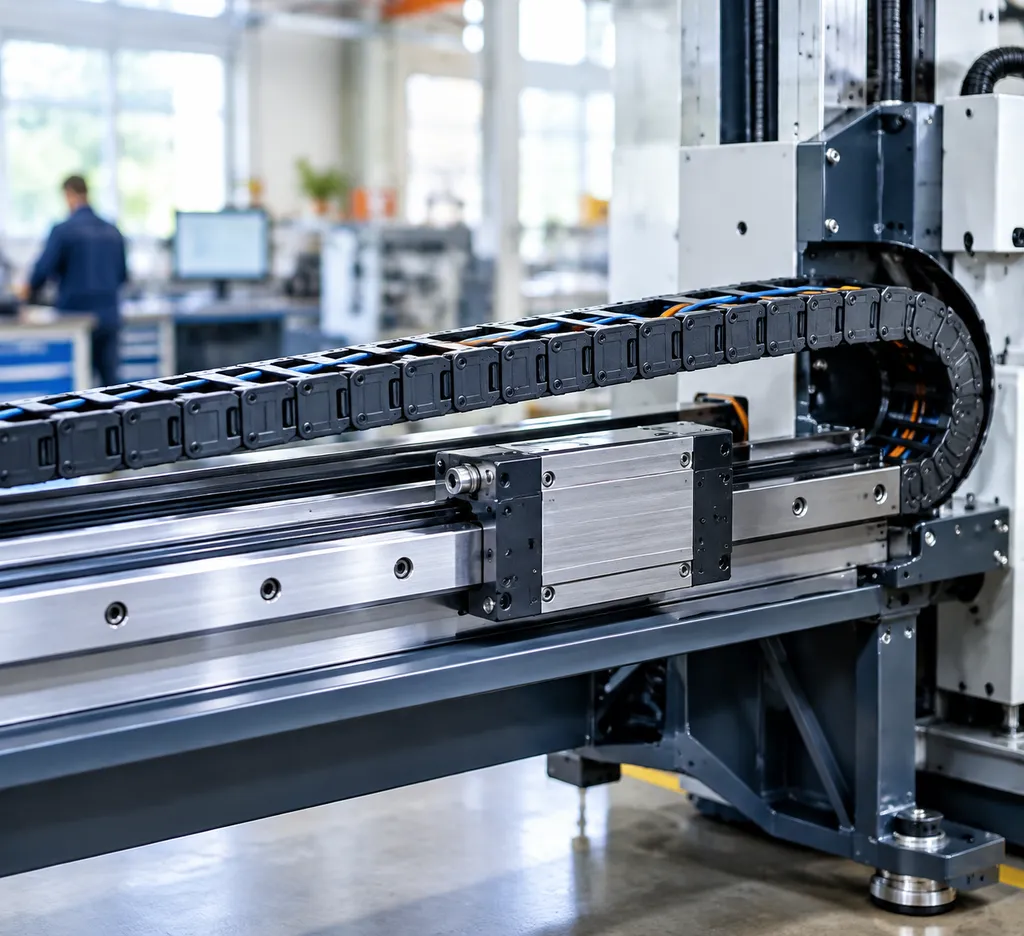
In high-throughput environments like bottling lines, food processing, and packaging facilities, conveyor systems rely on precision components to maintain uptime. Chain guide rails are essential for managing chain movement, ensuring that modular belts and chains remain centered and stable. By utilizing high-performance chain guide rails, operators prevent lateral shifting and reduce mechanical stress on the conveyor frame. These components are vital for maintaining the structural integrity of complex material handling lines.
Power Transmission Equipment
In industrial power transmission, guide rails serve as a protective track that manages tension and prevents chain whipping. By controlling the path of the chain, these guides minimize energy loss and ensure that power is transferred efficiently to drive sprockets. Proper installation of wear-resistant profiles helps to protect the transmission system from misalignment, which is a common cause of premature mechanical failure in automated machinery.
Bicycle Drivetrains
While specialized in nature, chain guides for bicycles perform a similar function to their industrial counterparts. They are designed to prevent the chain from derailing during aggressive riding or high-speed gear shifts. By keeping the chain engaged with the chainring, these systems ensure consistent transmission efficiency and stability, protecting both the chain and the drivetrain components from unnecessary wear and potential impact damage.
How to Select the Right Chain Guide Rail
Selecting the optimal chain guide rail is essential for maintaining transmission efficiency and protecting your machinery. Engineers must balance load requirements, speed, and environmental conditions to ensure long-term operational success.
Considering Chainring Size and Drivetrain Compatibility
The guide rail must accommodate the pitch and width of the chain. Improper sizing leads to excessive friction and premature chain movement issues. When evaluating how to choose UHMWPE vs HDPE for strength and wear, focus on the specific dimensions of your conveyor or drive system to ensure the chain remains fully seated within the protective track.
Evaluating Mount Types and Installation Requirements
Installation varies based on whether the system requires a fixed or adjustable mount. Most industrial conveyor systems rely on standardized profiles, such as U-channels or C-channels, which facilitate easier replacement and alignment. Ensure that your mounting brackets provide enough clearance for thermal expansion, particularly in high-speed applications.
Material Selection Based on Operating Environment
The environment dictates the material grade. Below is a quick reference for selecting the appropriate plastic components:
| Environment Factor | Preferred Material Property | Recommended Solution |
|---|---|---|
| High Friction/Heat | Self-lubricating UHMW-PE | Specialized Wear Strips |
| Chemical Exposure | High Chemical Inertness | Virgin Grade UHMW-PE |
| Heavy Load/Impact | High Impact Resistance | Reinforced UHMW-PE |
| Low Noise Requirements | Vibration Damping | Custom Machined Profiles |
Choosing the right material ensures the longevity of your industrial wear strips. For complex installations, we provide custom-machined solutions tailored to your technical specifications to ensure perfect chain stabilization.
Maintenance and Longevity Tips
To ensure the reliability of your conveyor infrastructure and maintain consistent transmission efficiency, proactive maintenance of your chain guide rail systems is essential. Implementing a structured maintenance routine helps avoid unexpected downtime in industrial environments.
Regular Inspection for Wear and Tear
Visual inspections should be conducted periodically to monitor the surface condition of your industrial wear strips. Focus on: Surface Depth: Check for grooves or deep scratches caused by abrasive debris or persistent misalignment. Edge Integrity: Look for fraying or cracking along the guide edges. Mounting Security: Ensure all fasteners are tight and that the rail remains flush against the frame to prevent vibration-induced movement.
Cleaning and Lubrication Best Practices
While UHMW-PE is known for its self-lubricating properties and low coefficient of friction, keeping the contact surface clean is vital. Debris Removal: Frequently clear accumulated dust, grit, and industrial residue that can accelerate material degradation. Compatibility Check: If you choose to apply supplementary lubricants, ensure they are compatible with engineering plastics to avoid surface swelling or chemical damage. Non-Abrasive Cleaning: Use mild, non-corrosive cleaning agents to preserve the integrity of the UHMW-PE specifications and avoid compromising the material’s structural performance.
When to Replace Your Chain Guide Rail
Replacing a worn component promptly prevents damage to the chain itself and the wider conveyor assembly. You should initiate a replacement when: The material has worn down to a point where the chain or chain links are contacting the metal frame. Deformation or warping prevents the rail from maintaining proper chain alignment. Surface scoring has become severe enough to significantly increase friction or produce excessive noise during operation.
For custom-machined replacement parts designed to your specific tolerances, our team provides full-service fabrication to match your existing equipment requirements.
Pingback: Conveyor Guide Rail Brackets Types Hardware and Setup - UHMWPE Sheet Manufacturer & Custom Plastic Machining -Jincheng
Pingback: Conveyor Guide Selection and UHMW Chain Guide Benefits - UHMWPE Sheet Manufacturer & Custom Plastic Machining -Jincheng