
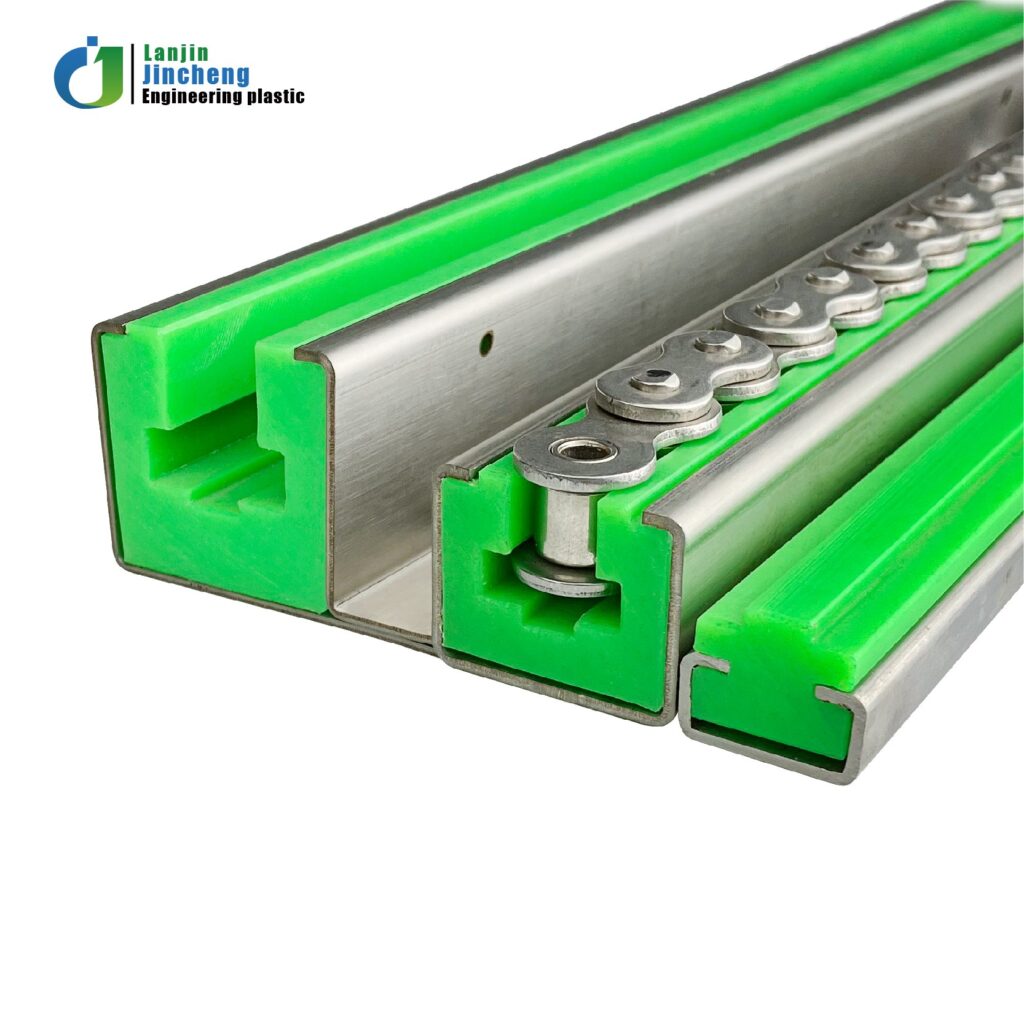
Steel Chain Guide Rail Key Features benefits materials applications selection installation and maintenance for efficient conveyor performance and long
What Is a Steel Chain Guide Rail?
Definition and Core Purpose
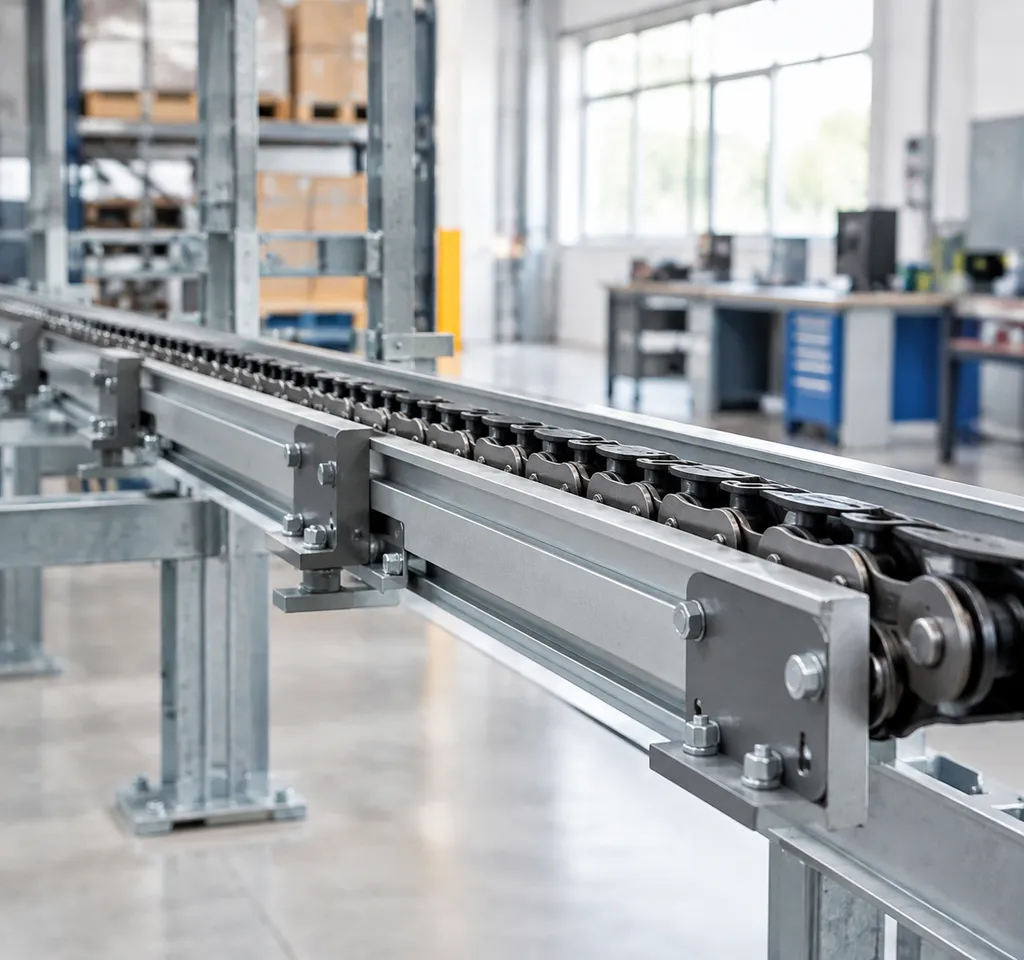
A steel chain guide rail serves as the structural foundation for conveyor systems, designed to direct the movement of industrial chains while maintaining system alignment. Its primary purpose is to constrain the lateral and vertical movement of the chain, ensuring that heavy loads move along a predictable path without deviating from the drive mechanism. By acting as a stable track, these rails prevent chain derailment and ensure the consistent performance of high-speed material handling operations.
How Chain Guide Rails Function in Conveyor Systems
In industrial conveyor setups, the guide rail functions as a protective contact interface for the moving chain. As the chain travels, it exerts continuous pressure on the guide rail surface. The rail must withstand these forces while providing a low-friction surface to minimize energy consumption. Whether guiding steel roller chains or specialized belts, the system relies on the rail to maintain structural integrity and keep the conveyor cycle fluid. While traditional steel rails have been standard for decades, modern industrial standards now prioritize high-performance engineering plastics, such as UHMW-PE, to improve efficiency and reduce the heavy maintenance demands inherent in metal-to-metal contact.
Key Features and Performance Benefits
Precision Alignment and Stability
Guide rails are engineered to keep steel chains centered, ensuring consistent movement throughout the conveyor path. High-quality guides provide a steady track that prevents lateral movement, which is essential for protecting UHMW-PE sheet wear issues and maintaining system accuracy. Proper alignment minimizes mechanical stress on the chain, leading to smoother operations in high-speed lines.
Friction Reduction and Wear Resistance
Modern guide rail solutions, particularly those utilizing UHMW-PE, offer superior performance over traditional metal-on-metal contact. By incorporating self-lubricating polymers, you significantly reduce the drag on steel chains.
| Feature | Steel Rail | UHMW-PE Guide Rail |
|---|---|---|
| Friction Coefficient | High | Ultra-Low |
| Noise Level | Loud/Clanking | Quiet/Dampened |
| Lubrication Needs | Frequent | Self-lubricating |
| Wear Resistance | Moderate | Excellent |
Load Bearing and Distribution Capabilities
Effective guide rails are designed to handle heavy loads while distributing pressure evenly across the chain surface. By utilizing advanced engineering plastics, you ensure that the guide rail maintains its structural integrity under constant tension. This even distribution not only extends the life of your chains but also prevents localized deformation, ensuring that your material handling systems remain reliable even under heavy operational demands.
Common Materials Used for Chain Guide Rails
Steel and Hardened Steel Options
Traditional steel rails provide high structural rigidity, often chosen for heavy-duty industrial environments where extreme heat or high-impact loads are present. While steel offers significant durability, it requires constant lubrication to manage friction and is prone to corrosion, which can compromise the integrity of the protective guide channel over time.
UHMW-PE and Polymer Alternatives
Modern operations increasingly rely on UHMW-PE (Ultra-High Molecular Weight Polyethylene) profiles. These engineering plastics are preferred for their self-lubricating properties, which minimize the need for external maintenance. Because UHMW-PE is chemically resistant and significantly lighter than steel, it is an ideal upgrade for high-speed conveyor systems. Understanding the material properties and machining guide for UHMW-PE rods helps facility managers select the right profile to improve operational efficiency.
Comparing Metal vs. Plastic Guide Rails
Choosing the right material impacts both the lifespan of the chain and the overall noise levels in your facility. The following table compares the performance characteristics of traditional steel against high-performance UHMW-PE guide rails:
| Feature | Steel Guide Rails | UHMW-PE Guide Rails |
|---|---|---|
| Friction | High | Low (Self-Lubricating) |
| Noise Level | High | Low (Dampening) |
| Corrosion | Susceptible | Highly Resistant |
| Maintenance | Frequent Lubrication | Virtually Maintenance-Free |
| Weight | Heavy | Lightweight |
Primary Industrial Applications
Food, Beverage, and Bottling Operations
In the fast-paced world of food and beverage production, maintaining sanitary and efficient conveyor lines is essential. Our UHMW-PE guide rails are the preferred choice for these environments, as they offer excellent chemical resistance and self-lubricating properties. Unlike traditional steel options, our plastic profiles minimize the need for external lubricants, preventing potential product contamination while ensuring smooth, noise-free transport of bottles and containers. When selecting components for these systems, understanding the specific UHMWPE plate uses and specifications for industry is critical for ensuring compliance with food-safety standards.
Automotive and Assembly Line Manufacturing
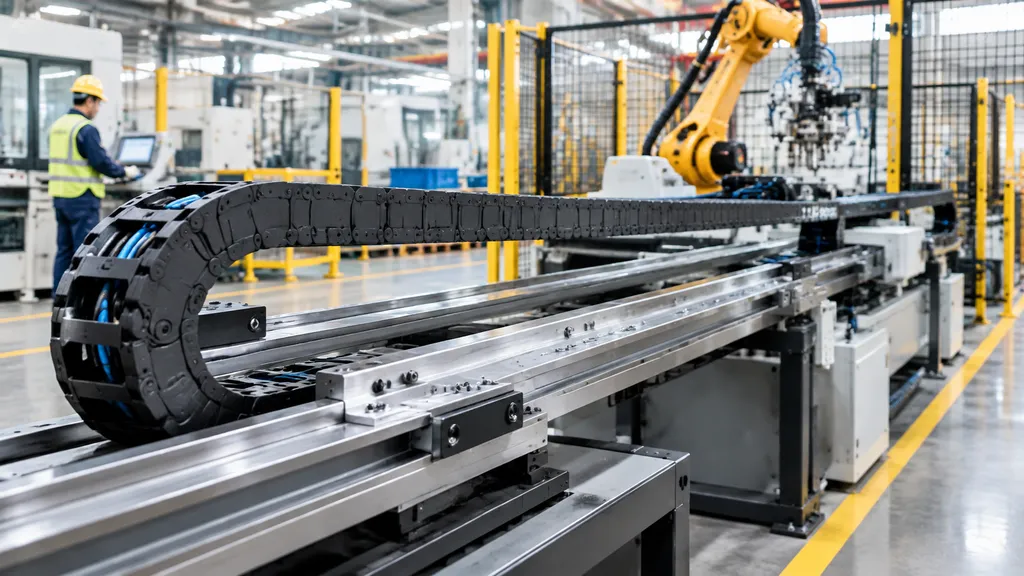
Automotive assembly lines require high-performance components that can handle heavy mechanical stress while maintaining precise alignment. Our engineering plastic guide rails provide the necessary durability to manage continuous production cycles. By replacing high-friction steel components with our high-wear-resistance profiles, factories benefit from reduced heat buildup, lower energy consumption, and a significant increase in the operational lifespan of their conveyor chains.
Logistics and Automated Material Handling
Efficiency is the backbone of logistics and automated sorting centers. Our custom-designed guide rails ensure that materials move reliably through complex conveyor networks without jamming or excessive vibration. By utilizing our advanced machining capabilities to create precise protective guide channels, we help logistics providers reduce downtime and lower maintenance costs. Our solutions offer superior impact strength, ensuring they can handle the constant flow of goods in high-speed, automated environments.
Factors for Selecting the Right Guide Rail
Assessing Load Capacity and System Speed
When selecting a chain guide rail, the primary consideration is the weight and velocity of your conveyor system. High-speed lines generate significant heat and friction; therefore, selecting materials with a low coefficient of friction is essential to prevent rapid degradation. We recommend evaluating the total load capacity to ensure the material maintains its structural integrity without deformation under constant pressure.
Evaluating Environmental and Operating Conditions
The surrounding environment plays a decisive role in material selection. For industries requiring strict hygiene, such as food and beverage, utilizing non-toxic, moisture-resistant UHMW-PE is standard practice. If your facility deals with abrasive dust or corrosive cleaning agents, you must choose components that offer high chemical resistance. Our engineering plastics are specifically formulated to withstand harsh industrial maintenance cycles while outlasting traditional metal alternatives.
Matching Rail Geometry to Chain Type
Effective performance relies on the precise fit between the chain and the protective guide channel. Proper rail geometry minimizes lateral movement and ensures smooth operation. Whether you are using specialized tabletop chains or standard roller chains, our customization services allow us to engineer profiles that align perfectly with your equipment. Choosing the right profile is critical for reducing downtime and extending the overall lifecycle of your conveyor hardware .
Installation and Maintenance Best Practices
Tips for Correct Rail Installation
Proper alignment is critical for the efficiency of any industrial conveyor. When installing your guide rail system, ensure that the support structure is level and the rail path is perfectly aligned with the chain trajectory. Avoid excessive tensioning during setup, as this can lead to premature stress on both the chain and the plastic guide. We recommend utilizing custom-machined profiles that allow for slight thermal expansion, which is essential when working with advanced polymers. Using the right mounting hardware prevents vibration, which is a major factor in reducing overall system noise.
Monitoring Systems for Wear and Damage
Regular inspection is the most effective way to protect your equipment. We suggest monitoring the contact surface of your guide rails for signs of grooving or uneven thinning. While high-performance materials like UHMW-PE are designed for extreme durability, they should be replaced once the depth of wear reaches the manufacturer’s threshold to prevent damage to the steel chain itself. Keeping a log of the visual state of the guide channel helps in predicting maintenance intervals before a failure occurs.
Cleaning and Maintenance Schedules for Longevity
Maintaining a clean operating environment significantly extends the life of your conveyor components. Periodic removal of debris, dust, and particulate buildup is necessary to prevent abrasive wear on the rail surface. Since many industrial plastics possess self-lubricating properties, avoid applying external oils or harsh chemical solvents that are not compatible with polymer surfaces. Establishing a consistent inspection and cleaning cycle ensures optimal performance and supports the long-term integrity of your material handling systems.
Pingback: Stainless Steel Chain Guide Benefits and Applications - UHMWPE Sheet Manufacturer & Custom Plastic Machining -Jincheng
Pingback: Conveyor Guide for Automotive Assembly Timing Systems - UHMWPE Sheet Manufacturer & Custom Plastic Machining -Jincheng