
Understanding UHMWPE, HDPE, and Nylon: Basic Definitions
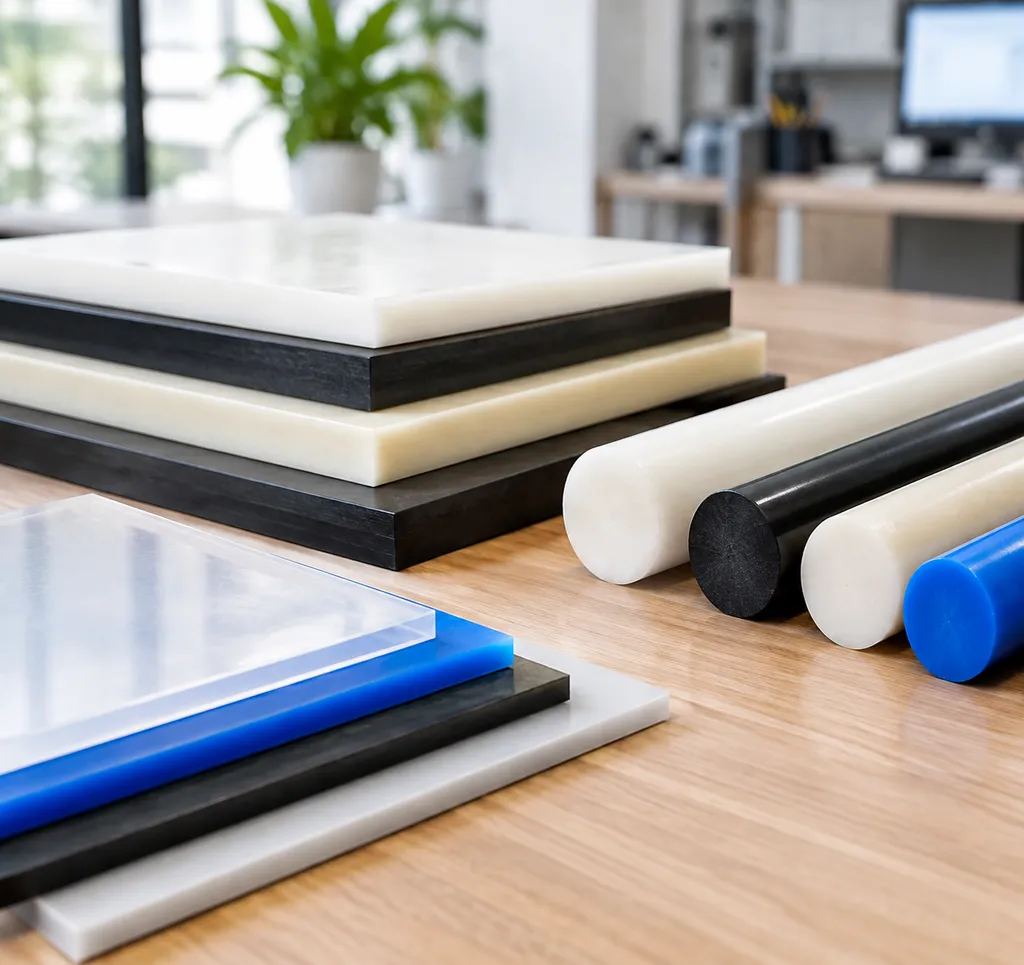
Selecting the right material is critical for the efficiency and longevity of industrial components. At Jincheng Plastic, we provide high-performance engineering plastic sheets, including UHMWPE, HDPE, and Nylon, each engineered to excel in specific industrial environments.
What is UHMWPE?
Ultra-High Molecular Weight Polyethylene (UHMWPE) is an engineering plastic defined by its exceptionally high molecular weight. It is widely recognized as the “wear king” of plastics, offering superior abrasion resistance, high impact strength, and a very low coefficient of friction. Its non-stick surface and chemical resistance make it an ideal choice for high-wear sliding applications and lining systems.
What is HDPE?
High-Density Polyethylene (HDPE) is a versatile, semi-crystalline thermoplastic known for its excellent balance of properties. It provides robust impact resistance and moisture resistance while remaining easy to machine. HDPE is a cost-effective solution for general-purpose industrial applications and is frequently available in food-grade formulations, making it a reliable choice for versatile manufacturing needs.
What is Nylon?
Nylon (Polyamide) is a high-performance engineering plastic valued for its high mechanical strength, stiffness, and hardness. Unlike polyethylene variants, Nylon excels in structural applications where heat resistance and durability under load are required. While it offers excellent wear properties, it is typically used for precision components like gears and bushings where dimensional stability is essential.
Head-to-Head Comparison: Performance Characteristics
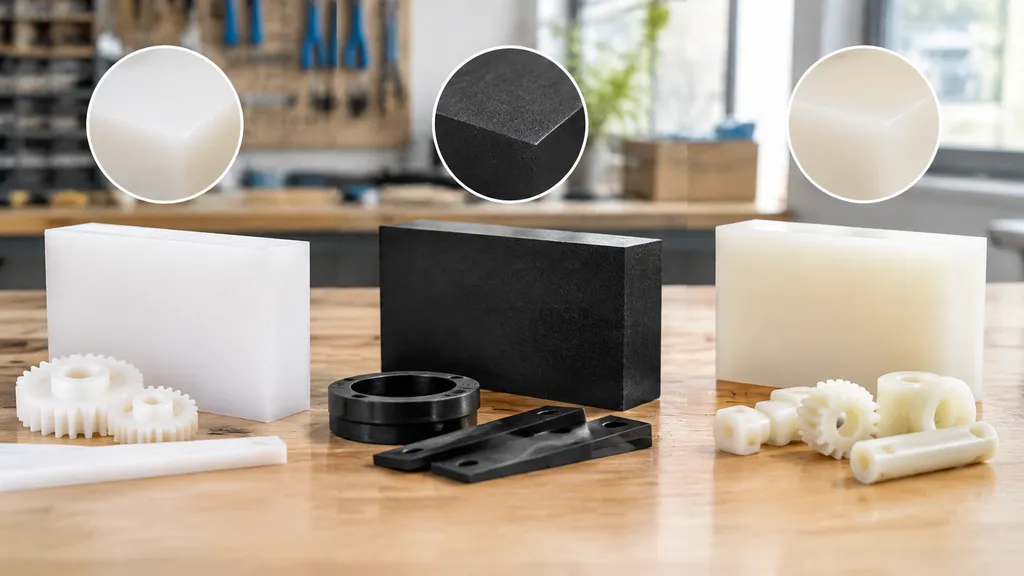
When evaluating UHMWPE vs HDPE vs Nylon for industrial applications, understanding the core material properties is essential for long-term success. Each polymer brings a unique set of physical attributes to the shop floor.
Wear and Abrasion Resistance
UHMWPE stands as the industry standard for extreme wear resistance. Its high molecular weight gives it a surface hardness that excels in high-abrasion environments, such as mining or bulk material handling. By understanding how to choose UHMWPE vs HDPE for strength and wear, procurement teams can significantly extend the service life of liners and guides. HDPE offers moderate resistance suitable for general use, while Nylon provides high surface hardness but typically requires lubrication to maintain optimal wear life.
Impact Strength and Durability
All three materials perform well under stress, but they shine in different ways: UHMWPE: Retains exceptional impact strength even at cryogenic temperatures, preventing cracking under heavy mechanical shock. HDPE: Offers excellent all-around impact resistance and is less prone to brittle failure compared to rigid plastics. Nylon: Exhibits the highest mechanical strength and stiffness, making it ideal for parts that must resist deformation under heavy loads.
Friction Coefficient and Surface Properties
The sliding performance is a critical factor for conveyor systems and chutes. UHMWPE is recognized for its low friction coefficient and non-stick surface, which prevents material buildup. While HDPE also provides a relatively low-friction surface, it does not match the non-stick effectiveness of UHMWPE. Nylon generally possesses a higher friction coefficient and often requires specialized lubricants to prevent heat buildup during high-speed sliding.
Chemical and Moisture Resistance
The ability to withstand harsh environments is a primary driver for industrial plastic sheet selection. UHMWPE and HDPE are virtually impervious to moisture absorption and display excellent chemical resistance across a wide range of acidic and alkaline substances. Nylon is more susceptible to moisture absorption, which can cause the material to swell and alter its mechanical dimensions, making it less suitable for wet or submerged applications compared to poly olefin materials like UHMWPE or HDPE.
Side-by-Side Comparison Matrix
Performance Summary Table
Selecting the right material for industrial projects requires a clear understanding of how these polymers perform under stress. The following matrix highlights the core differences between UHMWPE, HDPE, and Nylon to help you choose the best plastic sheet for your specific requirements.
| Characteristic | UHMWPE | HDPE | Nylon (PA) |
|---|---|---|---|
| Wear Resistance | Excellent | Moderate | Good |
| Impact Strength | Extreme | High | Moderate |
| Surface Friction | Very Low | Low | Moderate |
| Mechanical Strength | Low | Low | High |
| Heat Resistance | Low | Low | High |
| Machinability | Moderate | Easy | Easy |
Machinability and Cost-Effectiveness
When evaluating UHMWPE vs HDPE vs Nylon, your choice often comes down to balancing performance needs with processing costs.
-
- HDPE: Widely considered the most cost-effective option for general industrial use. Its lower polymer density makes it incredibly easy to machine, reducing labor time and tool wear for large-scale projects.
- UHMWPE: While slightly more complex to machine than HDPE, its superior wear resistance often results in a lower long-term cost of ownership for high-abrasion applications, such as chute liners or sliding components. For a deeper look at why this material is often preferred for heavy-duty roles, you can review our guide on why ultra-high molecular weight polyethylene stands out as the all-rounder in the engineering plastics industry.
- Nylon: Offers higher mechanical strength and surface hardness. It is the ideal choice for structural parts that require precise tolerances and high rigidity. While it may require lubrication in some sliding setups, it remains a top-tier material for gear and bushing production.
If your project demands specific tolerances or modified additives—such as anti-static properties or UV resistance—our team provides detailed comparisons of performance to ensure your material specification matches your operational environment.
Selecting the Right Plastic Sheet for Your Application
Choosing between engineering plastics requires a clear understanding of your operational environment. By evaluating UHMWPE vs HDPE vs Nylon: which plastic sheet is better for your specific needs, you can optimize both performance and longevity.
When to Choose UHMWPE
Select UHMWPE when your primary challenge is material handling or high-friction wear. It is the gold standard for applications involving sliding contact, abrasive dust, or harsh chemical exposure. Its low coefficient of friction makes it ideal for preventing material buildup. Best for: Chute liners, conveyor wear strips, and mining equipment. Key Advantage: Exceptional abrasion resistance and non-stick properties.
When to Choose HDPE
Choose HDPE if you require a versatile, cost-effective solution for general industrial parts that do not face extreme friction. It is highly valued for its moisture resistance and ease of processing, making it a go-to for food-grade applications and structural components. Best for: Cutting boards, food processing tables, and chemical tanks. Key Advantage: Excellent balance of impact resistance, low cost, and food safety compliance.
When to Choose Nylon
Opt for Nylon when your application requires mechanical strength, stiffness, and heat resistance. While it does not offer the same low-friction benefits as UHMWPE, it is superior in load-bearing environments where dimensional stability under stress is critical. Best for: Gears, heavy-duty bushings, and high-load rollers. Key Advantage: High mechanical strength and excellent structural integrity.
| Feature | UHMWPE | HDPE | Nylon |
|---|---|---|---|
| Wear Resistance | Superior | Moderate | High |
| Impact Strength | Excellent | Good | Moderate |
| Stiffness | Low | Low | High |
| Machinability | Moderate | Excellent | High |
| Typical Use | Sliding/Lining | General/Food | Mechanical/Load-bearing |
For procurement managers or engineers looking for custom CNC machined parts, we provide direct manufacturing solutions tailored to your technical specifications.
Common Industrial and Commercial Applications
Choosing the right material depends entirely on the operational environment. As a direct manufacturer, we see these plastics applied across a wide range of demanding industrial sectors.
Applications for UHMWPE Sheets
Due to its exceptional wear resistance and low friction, UHMWPE is the preferred choice for high-stress sliding applications. You will frequently find these UHMWPE plates used in industry for: Bulk Material Handling: Chute, hopper, and silo liners to prevent sticking and bridge formation. Marine Engineering: Dock fenders and wear pads. Mining: High-impact conveyor components and wear strips. Food Processing: Non-stick, moisture-resistant surfaces for guide rails.
Applications for HDPE Sheets
HDPE is our go-to solution for general industrial projects where a balance of cost-effectiveness and durability is required. It is widely utilized for: Chemical Storage: Tanks and containers due to excellent chemical resistance. Food & Beverage: Cutting boards and food-grade surface components. Industrial Fabrication: Easy-to-machine spacers, guide blocks, and protective panels. Outdoor Infrastructure: General structural supports that require moisture resistance.
Applications for Nylon Sheets
When your application requires high mechanical strength, structural stiffness, and heat resistance, Nylon (PA) stands out. Its ability to maintain form under load makes it ideal for: Mechanical Power Transmission: Gears, sprockets, and pulleys that require high surface hardness. Bearing Components: Bushings and wear pads that benefit from nylon’s structural integrity. Industrial Hardware: High-stress components for machinery that operate in elevated temperatures. Custom Parts: We frequently provide CNC machined nylon parts for components that need to withstand significant mechanical force.
Frequently Asked Questions (FAQs)
Is UHMWPE stronger or more durable than HDPE?
UHMWPE (Ultra-High Molecular Weight Polyethylene) is significantly more durable than HDPE in high-wear environments. Due to its unique molecular structure, UHMWPE offers superior abrasion resistance and impact strength compared to standard HDPE. While HDPE provides excellent structural toughness for general applications, UHMWPE is the preferred choice for extreme wear conditions where material longevity under friction is the priority.
Can Nylon be used in food-grade or high-moisture environments?
Standard Nylon (PA) is generally not the first choice for direct food contact or high-moisture applications because it can absorb water, which may lead to dimensional changes. While it offers high mechanical strength and heat resistance, it is better suited for dry, structural mechanical parts like gears and bushings. For environments involving constant moisture or food processing requirements, HDPE or specialized food-grade materials are typically more reliable options.
Which material is easiest to machine for custom projects?
HDPE is widely considered the easiest to machine among the three. Its consistent material properties allow for clean, precise cuts during CNC milling or turning. While UHMWPE is also machinable, its low-friction surface can make it more challenging to hold during precision tasks. Nylon is highly machinable as well, though it requires attention to thermal expansion during the machining process.
Is HDPE more cost-effective for outdoor use?
Yes, HDPE is a highly cost-effective solution for many outdoor industrial applications. It is inherently resistant to moisture and does not rot or splinter, making it a budget-friendly alternative to metals or wood in demanding conditions. When specified with UV-stabilized additives, HDPE sheets provide a durable, long-lasting solution for outdoor infrastructure while maintaining a lower price point compared to high-performance engineering plastics like Nylon or UHMWPE.
Pingback: HDPE High Density Polyethylene Plastic Sheet Guide - UHMWPE Sheet Manufacturer & Custom Plastic Machining -Jincheng