
Chain Conveyor Wear Strips
Custom plastic sliding strips and guide profiles for compatible conveyor chains, carryways and return tracks.
Jincheng Plastic supplies drawing-based wear components for conveyor manufacturers, maintenance teams and distributors. Share your chain model, track geometry and operating conditions for material and manufacturing review.
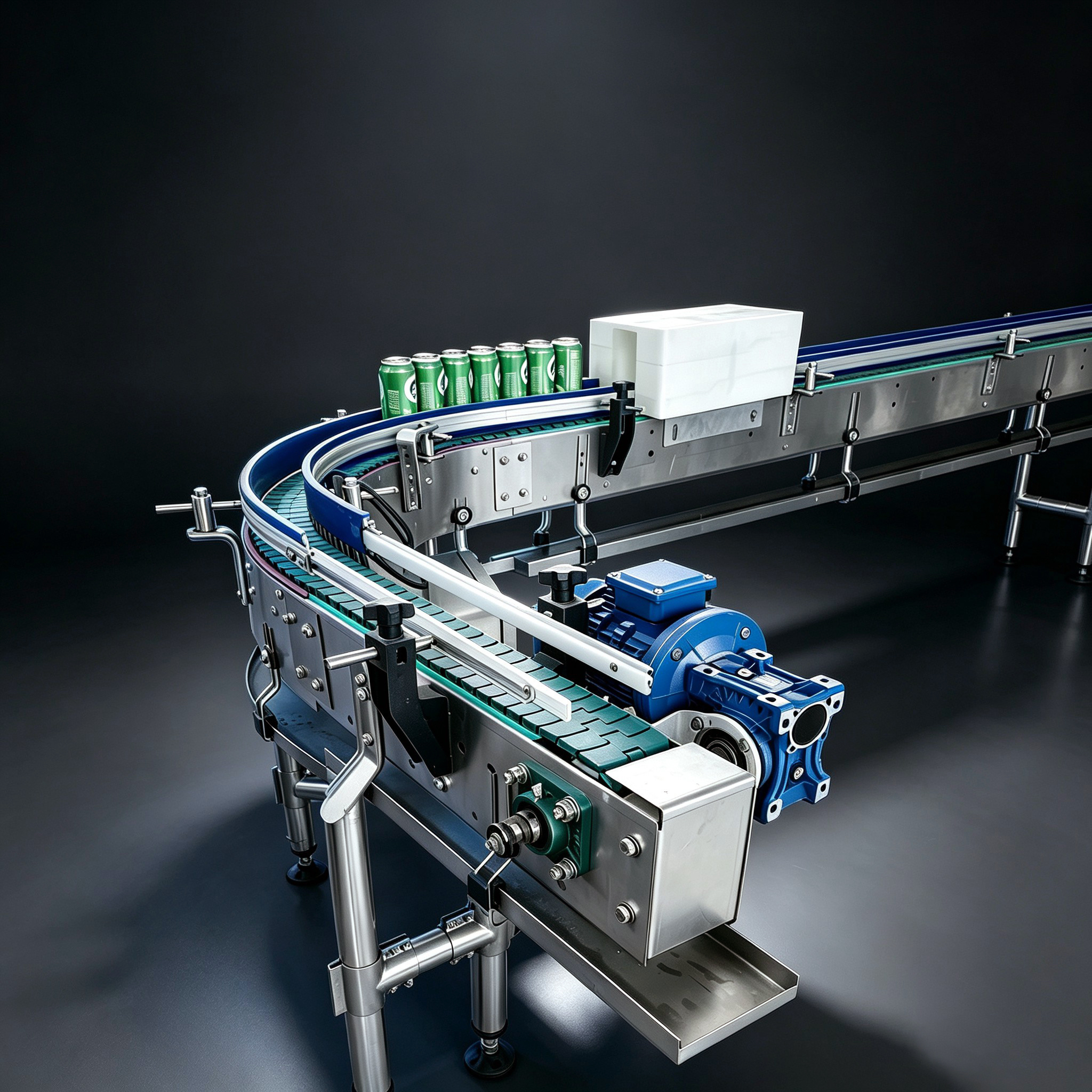
Replaceable Wear Surfaces for Chain Conveyors
Chain conveyor wear strips provide a sliding contact surface between a compatible chain and its support structure. Depending on the profile, they may support the working run, support the return run or provide lateral guidance.
The contact location must be confirmed from the chain design. Flat-top chains, roller chains and attachment chains can require different support and clearance arrangements.
Carryway Wear Strips
Provide replaceable sliding support beneath approved chain contact surfaces. Profile width and support spacing depend on the chain and working load.
Returnway Wear Components
Support suitable return sections while allowing clearance for chain plates, pins, attachments and other projections.
Chain Guide Profiles
Guide compatible chains through an approved contact interface. Side clearance and any hold-down function must be defined by the conveyor design.
Custom Wear Strip Profiles for Conveyor Chains
Choose a starting configuration below or send your existing drawing. Final geometry, material and production feasibility are confirmed during technical review.
Flat Chain Wear Strips
Rectangular strips for compatible chain sliding surfaces and support rails.
- Custom width, thickness and length
- Specified edge and end details
- Drawing-based fixing holes
Grooved Chain Guides
Machined guide profiles shaped around the approved chain contact geometry.
- Groove width and depth to drawing
- Pin and plate clearances reviewed
- Chain model required for evaluation
Channel Wear Profiles
Channel-shaped wear components designed around compatible mounting sections.
- Internal opening matched to the support
- Wall thickness and fit specified
- Retention and expansion reviewed
Clip-On Chain Wear Strips
Profiles evaluated for attachment to suitable conveyor support rails.
- Support cross-section required
- Attachment geometry confirmed
- Sample fitting recommended
Side Guide Wear Faces
Replaceable contact surfaces for approved lateral chain guidance arrangements.
- Specified guide height and thickness
- Running clearance defined
- Mounting interface to your drawing
Custom Replacement Components
Drawing-based wear parts for existing conveyors and non-standard OEM equipment.
- Steps, slots and counterbores
- Custom profiles and end details
- Sample-based dimensional review
Match the Wear Strip to the Chain Design
Chain pitch alone is not enough to define a wear profile. Provide the manufacturer, series and cross-section so the running interface can be checked.
| Chain Configuration | Details to Review |
|---|---|
| Flat-top conveyor chain | Chain series, material, underside contact surfaces, track width and approved support arrangement. |
| Roller chain | Pitch, roller diameter, plate geometry, pin projection and the intended rolling or sliding contact interface. |
| Attachment chain | Attachment dimensions, projections, conveyed load and clearance throughout the carryway and returnway. |
| Side-flexing chain | Curve radius, approved guide surfaces, side loading, hold-down geometry and manufacturer requirements. |
Curved and hold-down profiles require application-specific review. A straight-run support strip should not be assumed suitable for a loaded curve.
UHMWPE and Engineering Plastics for Chain Wear Strips
UHMWPE is commonly considered for chain conveyor sliding surfaces. The final selection depends on the chain material, operating load, speed and environment.
| Material | Reasons to Consider | Confirm Before Selection |
|---|---|---|
| UHMWPE | Low-friction sliding behavior, abrasion resistance and impact resistance. | Contact pressure, speed, temperature, expansion and sustained loading. |
| HDPE | General-purpose support or guide components where the wear demand permits. | Required wear performance and stiffness compared with the specified material. |
| POM / Acetal | Stiffer machined guides requiring closer dimensional control. | Impact, chemical exposure and sliding contact conditions. |
| PA / Nylon | Mechanically loaded guide components in suitable environments. | Moisture absorption, dimensional changes and running clearance. |
Properties vary by material grade. Food-contact, antistatic or other special requirements must be specified and confirmed before ordering.
Key Details for Reliable Chain Support
Review the wear strip together with the chain, support rail and drive arrangement before approving production.
Running Clearance
Allow clearance for the chain’s plates, pins and attachments. An overly tight profile can increase drag or interfere with movement.
Load and Sliding Speed
Review contact pressure, speed, starts and stops, and accumulation conditions. These affect wear and frictional heat.
Curve and Side Loads
Curves can create substantial lateral contact forces. Guide geometry and material must suit the chain manufacturer’s approved arrangement.
Thermal Expansion
Define end gaps, mounting slots and fixed points for the selected plastic grade, installed length and temperature range.
Joints and Fasteners
Check transitions for smooth chain passage and keep fasteners recessed below the contact surface throughout the planned wear allowance.
Lubrication and Cleaning
Confirm the existing lubrication method, detergents and washdown conditions. Changes should follow the chain and equipment supplier’s guidance.
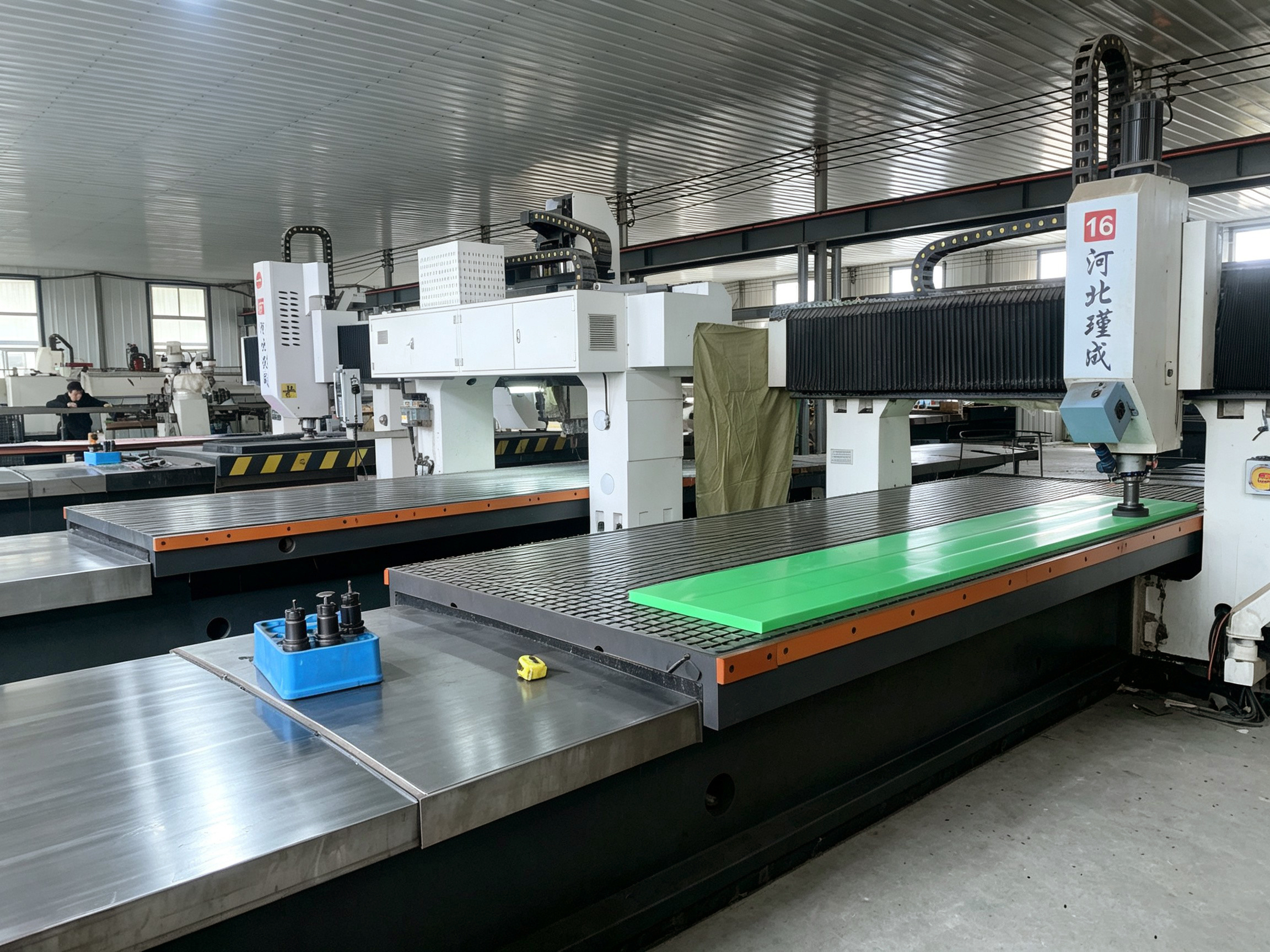
Chain Wear Components Made to Your Drawing
Jincheng Plastic manufactures engineering plastic materials and custom-machined conveyor parts for OEM and replacement projects.
- Profile review: confirm the cross-section, chain interface and support dimensions.
- Material confirmation: agree the polymer grade and application requirements.
- Custom machining: evaluate grooves, holes, slots and recessed mounting details.
- Inspection: check agreed critical dimensions against approved drawings.
- Export preparation: coordinate protective packing and part identification.
Specify Your Chain Conveyor Wear Strips
Send the following information to help us assess fit, material suitability and production requirements.
| Item | Required Details |
|---|---|
| Chain identification | Manufacturer, model or series, chain material, pitch and cross-section. |
| Contact geometry | Plate width, roller dimensions, pin projections and attachment clearances where relevant. |
| Strip profile | Length, width, thickness, groove dimensions and critical fit tolerances. |
| Support arrangement | Carryway or returnway location, support rail dimensions, mounting holes and slots. |
| Conveyor layout | Straight or curved run, curve radius, guide arrangement and any hold-down requirements. |
| Operating conditions | Load, speed, temperature, lubrication, accumulation and cleaning exposure. |
| Order requirements | Material grade, color, quantity per profile, samples and delivery destination. |
Available dimensions, tolerances, MOQ and lead time are confirmed after specification review.
From Chain Details to Finished Wear Profiles
Share the Application
Send the chain reference, strip drawing, support layout and operating conditions.
Confirm the Specification
Review material, profile geometry, tolerances, quantities and quotation scope.
Evaluate Sample Fit
Where agreed, check a sample against the chain interface and mounting section.
Produce and Dispatch
Manufacture to the approved drawing with agreed inspection and packing requirements.
Chain Conveyor Wear Strip Questions
What is the difference between a chain wear strip and a chain guide?
A wear strip primarily provides a replaceable contact surface. A chain guide also controls the chain’s running path through its geometry. A single component may perform both functions.
Is chain pitch enough to specify the correct profile?
No. Chains with the same pitch may have different plate dimensions, roller widths, pin projections or attachments. Provide the chain model and cross-section along with the required contact arrangement.
Should a roller chain run on its rollers or side plates?
The intended contact surface depends on the chain and conveyor design. Confirm the arrangement with the chain or equipment manufacturer before defining groove geometry or support dimensions.
Can the same wear strip be used on straight and curved runs?
Not automatically. Curved runs can introduce side loads and hold-down requirements that are absent on straight sections. The profile and material must be reviewed for the actual curve and chain series.
Can UHMWPE chain wear strips run without lubrication?
Some applications can operate dry under suitable conditions. Confirm the material pairing, load, speed and temperature, and follow the chain manufacturer’s guidance before changing lubrication practices.
Can you reproduce an existing worn profile?
We can evaluate drawings, measured photographs and physical samples. Include the mating chain and support dimensions because wear or distortion may have changed the original profile.
Can you supply wear strips for food-handling conveyors?
Specify the intended contact conditions, destination market and required documentation before quotation. Suitability must be confirmed for the selected material grade and application.
What affects price and production time?
Material grade, profile dimensions, machining features, tolerances, order quantity and packing requirements affect price and lead time. These are confirmed after reviewing your specification.
Request Custom Chain Conveyor Wear Strips
Send your chain model, profile drawing and quantity. Our team can review the material and manufacturing requirements for your conveyor application.