
Conveyor Belt Wear Strips
Replaceable plastic sliding surfaces for compatible conveyor belts, carryways and returnways.
Jincheng Plastic supplies custom wear strips for equipment manufacturers, maintenance buyers and distributors. Send your belt model, support layout and profile drawing for material and manufacturing review.
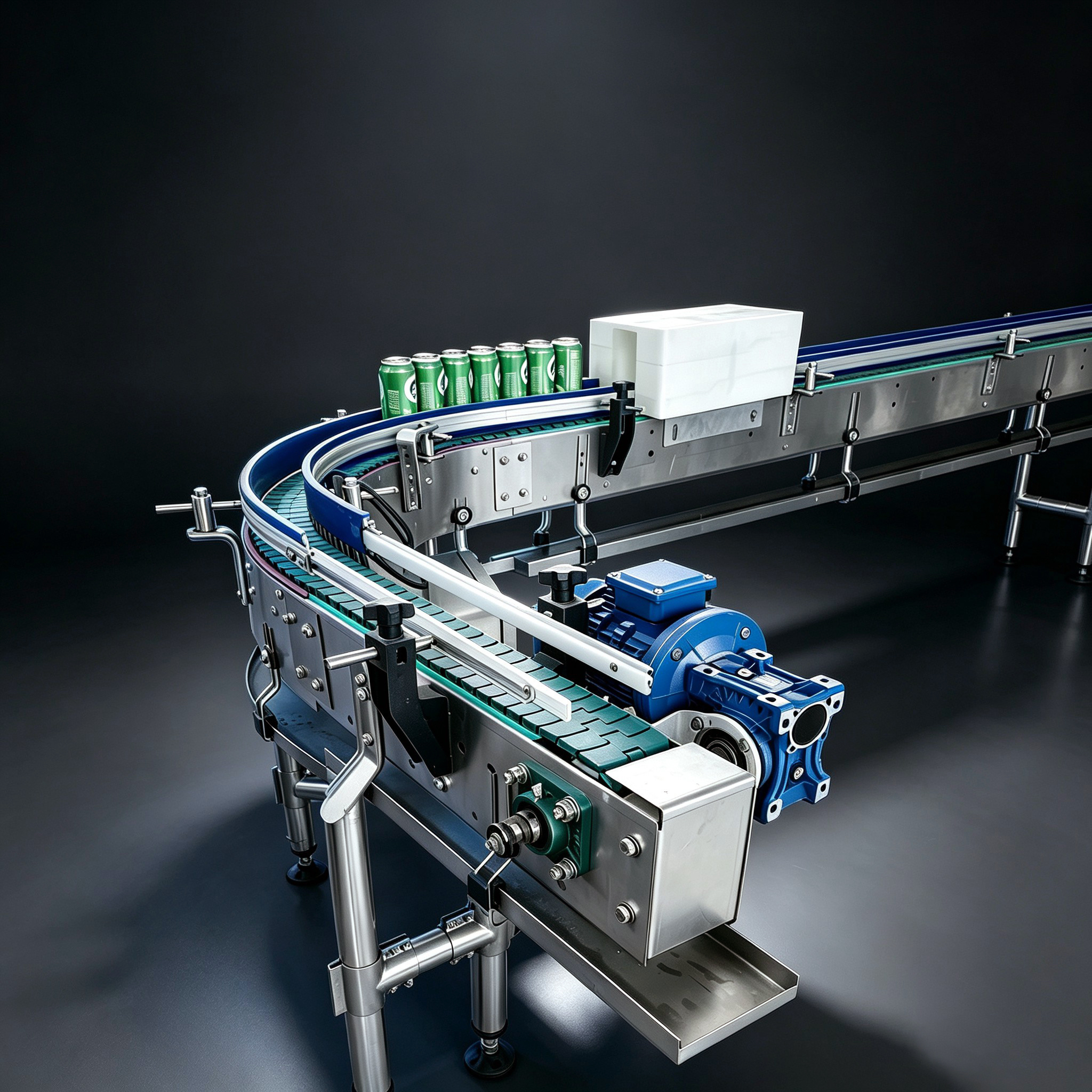
Wear Strips for Conveyor Belt Sliding Support
Conveyor belt wear strips form a replaceable contact surface between a moving belt and its supporting structure. They are used where the belt design permits sliding support, including suitable modular plastic belt carryways and returnways.
The correct profile and support arrangement depend on belt construction, loading, speed and the belt manufacturer’s design requirements.
Support the Loaded Run
Provide sliding contact beneath a compatible belt. Strip spacing and support position must suit the belt’s allowable deflection and working load.
Support the Return Run
Wear strips may support suitable return sections where approved by the belt design. Flights, sidewalls and underside features require clearance checks.
Maintain a Serviceable Surface
A replaceable wear surface allows worn components to be renewed without replacing the complete supporting frame.
Conveyor Belt Wear Strip Options
Choose a starting configuration or send your existing component drawing. Profile feasibility, material and production method are confirmed before quotation.
Flat Support Strips
Rectangular sliding strips for suitable carryway and returnway support arrangements.
- Specified width, thickness and length
- Custom edge and end details
- Drawing-based mounting holes
Channel Wear Profiles
Channel-shaped components designed to fit compatible conveyor support sections.
- Internal opening matched to the rail
- Wall thickness and fit reviewed
- Retention and expansion considered
Clip-On Wear Strips
Profiles evaluated for attachment to compatible support rails.
- Support cross-section required
- Attachment geometry confirmed
- Sample fitting recommended
Returnway Wear Components
Custom sliding components for return sections where the belt manufacturer permits this support method.
- Belt underside geometry reviewed
- Flight and sidewall clearance checked
- Mounting details to your drawing
Guide Contact Strips
Replaceable contact faces for approved belt guiding arrangements.
- Guide interface matched to the belt
- Running clearance specified
- Contact location reviewed
Custom Replacement Profiles
Drawing-based wear parts for existing equipment and non-standard conveyor projects.
- Steps, slots and recessed holes
- Custom cross-sections and lengths
- Sample-based evaluation available
Match the Wear Strip to the Conveyor Belt
A sliding strip should be specified for the actual belt series and support design. Similar-looking belts can have different contact surfaces and installation requirements.
| Belt Configuration | Key Review Points |
|---|---|
| Modular plastic belt | Belt series, material, underside geometry, approved contact zones and support spacing. |
| Fabric or homogeneous belt | Slider-bed compatibility, underside material, contact pressure, friction and the belt supplier’s recommendations. |
| Flighted or sidewall belt | Returnway clearance, flight position, sidewall geometry and approved support locations. |
| Curved or side-flexing belt | Approved curve guides, hold-down details, side loads and minimum turning radius. |
Provide the belt manufacturer and model wherever possible. Wear strips do not correct underlying belt tracking, tension or conveyor alignment problems.
UHMWPE and Other Plastic Wear Strip Materials
UHMWPE is commonly considered for conveyor sliding surfaces. Other engineering plastics may suit specific stiffness, dimensional or environmental requirements.
| Material | Selection Considerations | Confirm Before Ordering |
|---|---|---|
| UHMWPE | Low-friction sliding behavior, abrasion resistance and impact resistance. | Belt compatibility, load, speed, frictional heat and thermal expansion. |
| HDPE | General-purpose support and guide components where wear demand permits. | Wear performance and stiffness compared with the specified design material. |
| POM / Acetal | Machined components requiring greater stiffness and dimensional control. | Sliding conditions, impact and chemical exposure. |
| PA / Nylon | Mechanically loaded guide or support components in suitable environments. | Moisture absorption, dimensional change and installation clearance. |
Properties vary by grade. Food-contact, antistatic and other special requirements must be specified and confirmed with appropriate documentation.
Design Details That Affect Belt Wear Strip Performance
Confirm the support arrangement with the equipment designer and belt supplier before production or installation.
Support Spacing
Spacing depends on belt stiffness, product loading and allowable deflection. Follow the requirements for the actual belt series.
Contact Layout
Continuous, parallel or angled support arrangements create different contact patterns. Select the layout permitted by the belt design and operating conditions.
Thermal Expansion
Provide suitable end gaps, mounting slots and fixed points for the selected strip material and expected temperature range.
Joints and Transitions
Check strip ends and joints for smooth belt passage. Consider running direction, temperature changes and any underside projections.
Fastener Recesses
Keep fasteners below the running surface throughout the planned wear allowance. Specify recess depth and inspection criteria.
Cleaning Access
Consider access beneath the belt, debris removal and washdown exposure when defining the mounting and support arrangement.
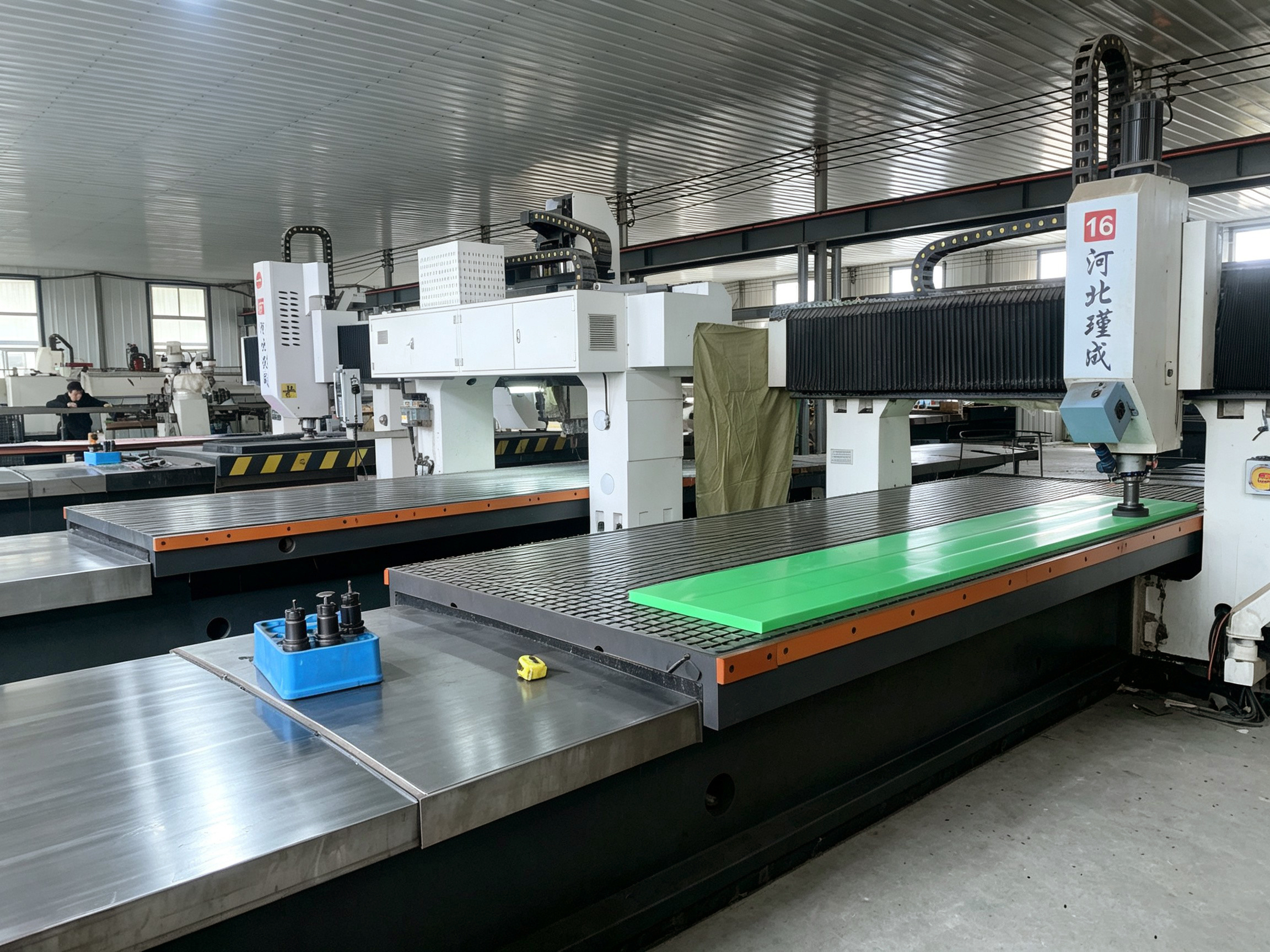
Belt Wear Strips Made to Your Specification
Jincheng Plastic manufactures engineering plastic materials and custom conveyor components for OEM equipment and maintenance projects.
- Profile review: confirm the cross-section and mating support dimensions.
- Material selection: review the specified grade and service conditions.
- Machining: evaluate cutting, milling, drilling and custom mounting details.
- Inspection: check agreed critical dimensions against approved drawings.
- Delivery preparation: coordinate protective packing and part identification.
Information Required for Conveyor Belt Wear Strips
A drawing and belt reference help us review the component accurately and define the quotation scope.
| Item | Required Details |
|---|---|
| Belt identification | Manufacturer, model or series, belt material, width and underside photographs. |
| Support position | Carryway, returnway or guide location, with the support layout and spacing. |
| Strip dimensions | Length, width, thickness, profile drawing and critical fit tolerances. |
| Mounting details | Support rail dimensions, hole pitch, slots, recesses and fastening method. |
| Operating conditions | Load, speed, temperature, lubrication, cleaning chemicals and debris exposure. |
| Order requirements | Material grade, color, quantity per size, sample needs and delivery destination. |
Available sizes, tolerances, MOQ and lead time are confirmed after reviewing the specification.
From Belt Details to Finished Wear Strips
Share Your Application
Send belt details, strip drawings, support dimensions and operating conditions.
Confirm the Specification
Review material, profile geometry, tolerances, quantity and quotation requirements.
Evaluate Sample Fit
Where agreed, check a sample against the support rail and belt contact geometry.
Produce and Dispatch
Manufacture to the approved specification with agreed inspection and packing.
Conveyor Belt Wear Strip Questions
Can the same wear strip be used with any conveyor belt?
No. Confirm the belt series, material, underside geometry and support requirements. A profile suitable for one belt may interfere with another belt’s hinges, flights or guiding features.
What is the difference between carryway and returnway wear strips?
Carryway strips support the working belt run, including the conveyed load. Returnway strips support the returning belt where sliding support is permitted. The contact surfaces and clearance requirements can differ.
How do I determine wear strip spacing?
Use the belt manufacturer’s requirements for the specific series and load. Belt stiffness, operating temperature and product distribution affect the required support spacing.
Are UHMWPE strips suitable for conveyor belt support?
UHMWPE is commonly considered for sliding support because of its wear resistance and low-friction behavior. Suitability still depends on the belt material, contact pressure, speed, temperature and mounting arrangement.
Can wear strips solve belt tracking problems?
Wear strips provide support or an approved guide contact surface. Tracking problems may involve alignment, tension, pulleys, sprockets or loading, so the underlying cause should be checked before changing the strips.
Can you manufacture replacements from an old strip?
We can evaluate drawings, measurements and physical samples. Include mating support dimensions because a worn or distorted strip may no longer represent the intended profile.
Can you supply strips for food-handling conveyors?
Specify the intended contact conditions, destination market and required documentation. Material grade and compliance must be confirmed for the application before ordering.
What determines the quotation and lead time?
Material grade, profile dimensions, machining features, tolerances, quantity and packing requirements determine the quotation. Production timing is confirmed after the specification review.
Request Custom Conveyor Belt Wear Strips
Send your belt reference, profile drawing and quantity. Our team can review the material and manufacturing requirements for your conveyor project.