
Wear Strips for Conveyor Systems
Replaceable sliding surfaces for conveyor chains, belts and guide assemblies—manufactured to match your equipment and operating conditions.
Jincheng Plastic supplies drawing-based plastic wear strips for OEM equipment, maintenance projects and industrial distributors. Discuss UHMWPE and other engineering plastic options for your application.
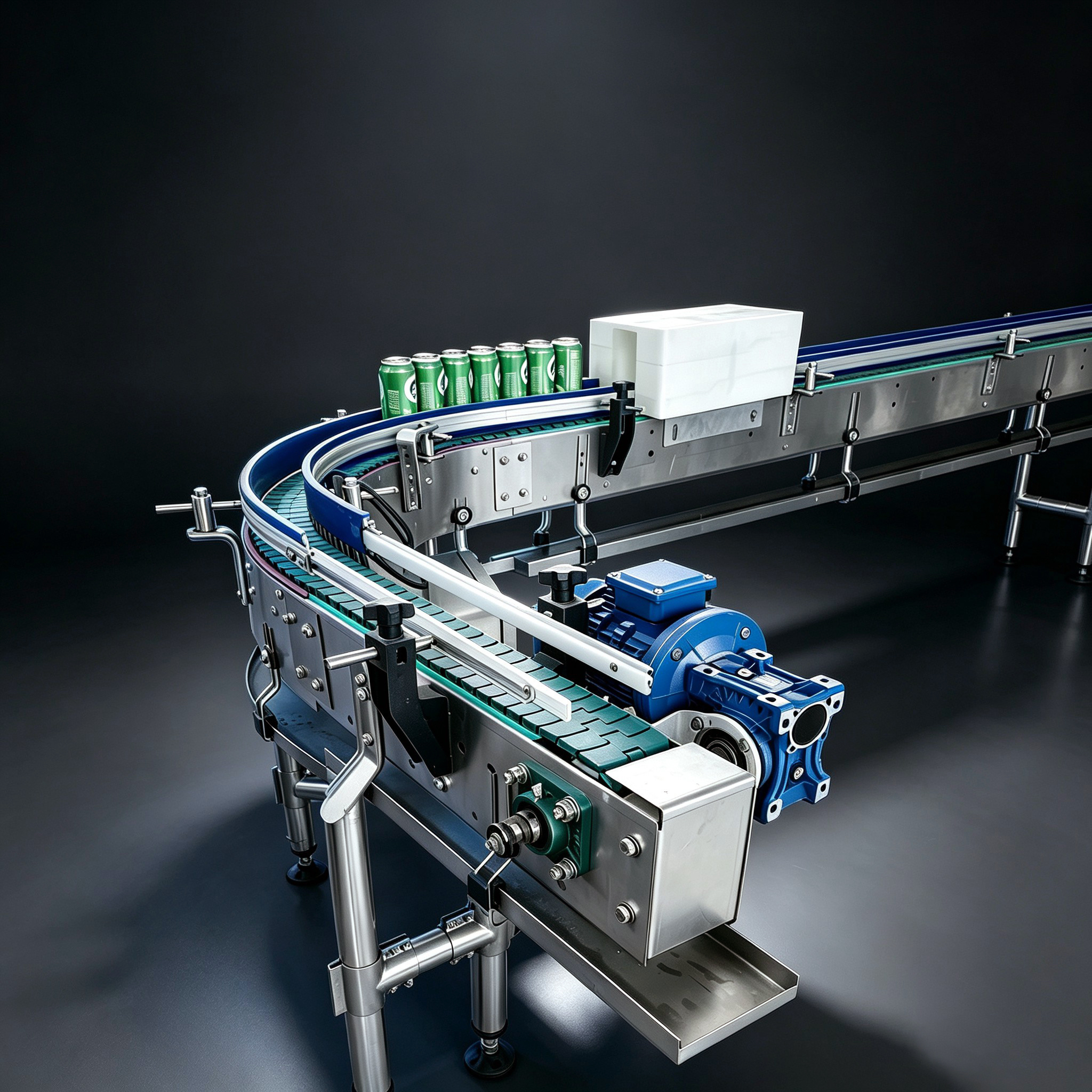
What Do Conveyor Wear Strips Do?
Wear strips sit between moving conveyor components and their supporting structure. They provide a serviceable contact surface, helping control sliding wear while maintaining the intended running position of the chain or belt.
Manage Friction and Drag
A suitable polymer and surface geometry can improve sliding behavior. Performance depends on the material pairing, load, speed, temperature and lubrication conditions.
Create a Replaceable Surface
Replaceable strips help protect the underlying support structure from direct contact with moving components and simplify planned maintenance.
Support Consistent Movement
Correct profile dimensions, alignment and clearance help support the intended chain or belt path. Guiding functions depend on the component design.
Wear Strip Types for Different Conveyor Layouts
Choose a starting configuration below or send your own profile drawing. Manufacturing feasibility and final dimensions are confirmed during technical review.
Flat Conveyor Wear Strips
Rectangular strips for sliding support beneath compatible chains and belts.
- Custom width, thickness and length
- Cut or machined edge details
- Drawing-based hole patterns
U-Channel Wear Strips
Channel profiles designed around supporting rails or mounting sections.
- Internal opening matched to the support
- Specified wall thickness and clearance
- Installation fit reviewed before production
Clip-On Wear Profiles
Profiles evaluated for retention on compatible conveyor supports.
- Support cross-section required
- Retention and expansion reviewed
- Sample fitting recommended
Chain Track Wear Strips
Shaped sliding components for chain support and, where designed, lateral guidance.
- Chain model and dimensions confirmed
- Running clearance specified
- Track geometry matched to the assembly
Side Guide Wear Strips
Replaceable plastic contact faces for product guidance or suitable conveyor assemblies.
- Custom contact height and thickness
- Mounting details to your drawing
- Product contact conditions reviewed
Custom Replacement Strips
Machined components for non-standard equipment and maintenance requirements.
- Steps, slots and counterbores
- Custom cross-sections and end details
- Drawing or sample-based evaluation
UHMWPE and Other Plastics for Conveyor Wear Strips
UHMWPE is commonly considered for conveyor sliding surfaces. Alternative materials may be appropriate when stiffness, dimensional control, moisture or chemical exposure changes the selection criteria.
| Material | Reasons to Consider | Review Before Selection |
|---|---|---|
| UHMWPE | Low-friction sliding behavior, abrasion resistance and impact resistance. | Load, speed, temperature, expansion and mounting arrangement. |
| HDPE | General-purpose guides and support components where wear demand permits. | Wear performance, stiffness and suitability compared with UHMWPE. |
| POM / Acetal | Stiffer machined components requiring closer dimensional control. | Chemical compatibility, impact and sliding contact conditions. |
| PA / Nylon | Mechanically loaded wear and guide components in suitable environments. | Moisture absorption, dimensional changes and running clearance. |
Properties depend on the selected grade. Food-contact, antistatic and other special requirements must be specified and confirmed with supporting documentation before ordering.
How to Specify Wear Strips for Your Conveyor
Start with the operating conditions and mating parts, then confirm the profile and installation details.
Chain or Belt Compatibility
Provide the manufacturer, model, material and contact geometry. Identify whether the strip supports, guides or performs both functions.
Load and Running Speed
Share the working load and speed, including accumulation, stop-start operation and any impact at transfer points.
Temperature and Cleaning
Specify normal and peak temperatures, washdown cycles, detergents and other chemical exposure.
Mounting and Expansion
Confirm fixed points, slotted holes, support spacing and expansion allowances for the selected material.
Dimensions and Tolerances
Identify critical fit dimensions, required straightness and inspection references on the approved drawing.
Service and Replacement
Consider access for replacement, strip identification and repeat-order requirements when defining the final component.
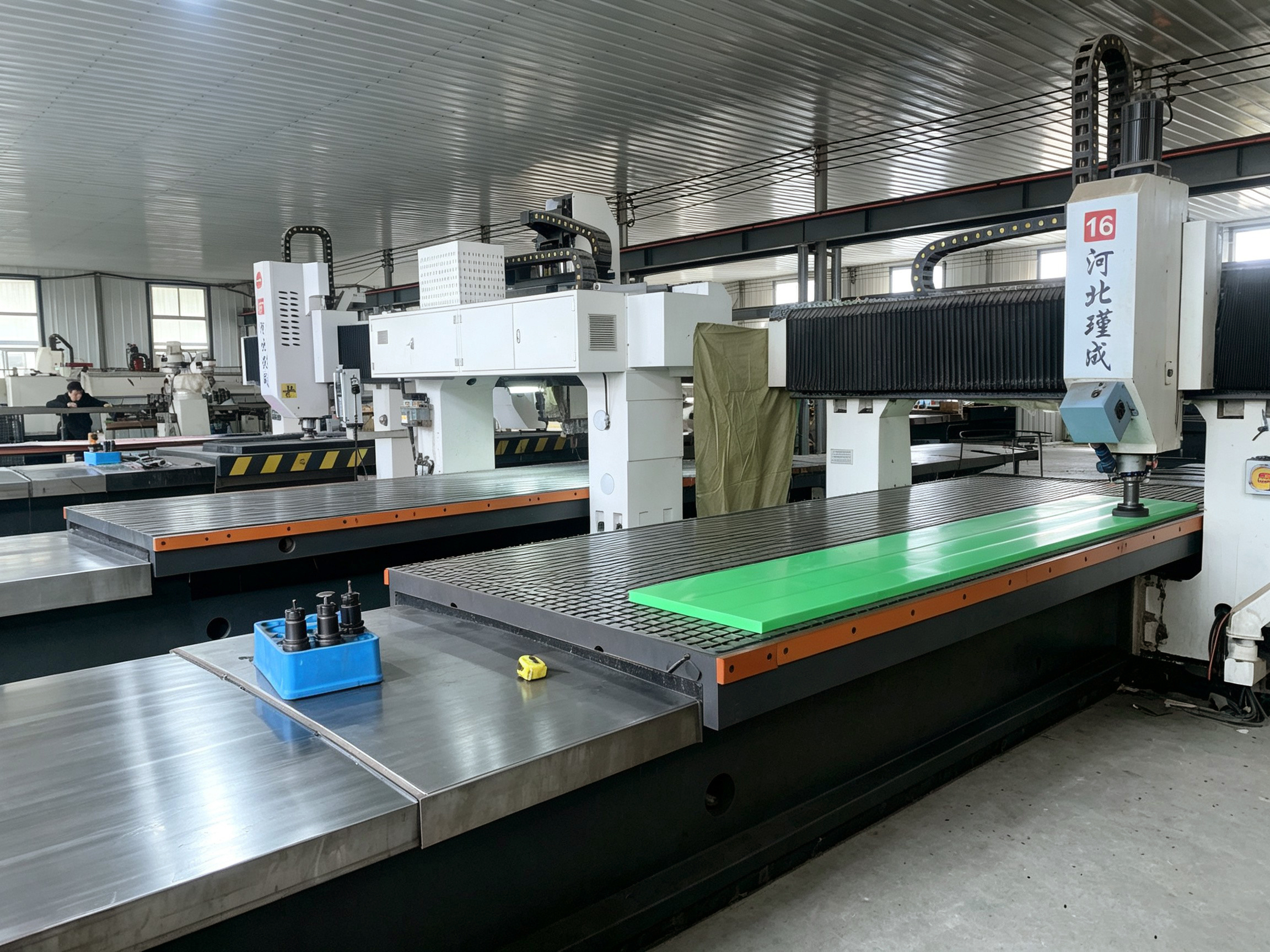
Made to Your Drawing or Replacement Requirement
Jincheng Plastic manufactures engineering plastic components for conveyor builders and maintenance buyers. Share the required geometry and quantity so the appropriate production route can be evaluated.
- Profile dimensions: length, width, thickness, grooves and mating sections.
- Mounting features: drilled holes, slots, counterbores and stepped details.
- Material confirmation: polymer, grade, color and application requirements.
- Quality checks: agreed critical dimensions checked against approved drawings.
- Delivery preparation: protective packing and identification requirements.
Custom Wear Strip Specification Checklist
Include the following details to help us review fit, material suitability and production requirements.
| Item | Required Information |
|---|---|
| Drawing or sample | Dimensioned profile drawing, 2D/3D file or clear photographs with measurements. |
| Overall dimensions | Length, width, thickness, channel opening and other mating dimensions. |
| Mounting details | Hole sizes, pitch, slots, support profile and fastener clearances. |
| Material requirements | Specified polymer and grade, color and any required compliance documents. |
| Operating conditions | Chain or belt type, load, speed, temperature and cleaning environment. |
| Order requirements | Quantity per profile, sample needs, destination and requested delivery date. |
Available dimensions, tolerances, MOQ and lead time are confirmed after reviewing the specification.
From Specification to Conveyor Wear Strip Supply
Share the Application
Send your drawing, operating conditions, quantity and required delivery schedule.
Confirm the Details
Review material, geometry, tolerances and manufacturing requirements before order approval.
Check Sample Fit
Where agreed, evaluate a sample against the conveyor support and moving components.
Produce and Deliver
Manufacture to the approved specification with agreed inspection and packing requirements.
Wear Strips for Conveyor Systems: Buyer FAQ
Is UHMWPE suitable for every conveyor wear strip?
No single material suits every conveyor. UHMWPE is commonly considered for sliding wear surfaces, but load, speed, temperature, chemical exposure and dimensional requirements must be assessed before selection.
Can you make wear strips to match an existing conveyor?
Replacement components can be evaluated from drawings, measurements and samples. Include the support dimensions and chain or belt details. A worn strip may have lost material, so its current dimensions should not automatically be treated as the original specification.
Do plastic conveyor wear strips need lubrication?
Some material combinations can operate without added lubrication under suitable conditions. Confirm the load, speed, temperature and conveyor manufacturer’s recommendations before changing an existing lubrication arrangement.
How much expansion clearance should be provided?
Expansion allowance depends on the material grade, installed strip length and expected temperature change. Mounting slots, fixed points and end gaps should be calculated and confirmed for the actual installation.
When should conveyor wear strips be replaced?
Follow the equipment manufacturer’s inspection criteria. Review remaining thickness, uneven wear, cracks, loose mounting, alignment and any fasteners approaching the running surface. Replacement intervals depend on the application.
Can you supply food-contact wear strips?
Specify the destination market, contact conditions and required compliance documentation before quotation. Suitability must be confirmed for the selected material grade and application.
What information determines the price?
Pricing depends on material and grade, profile size, machining features, tolerances, order quantity, tooling needs and packing requirements. Send a drawing and quantity per size for a project-specific quotation.
Get a Quote for Custom Conveyor Wear Strips
Send your profile drawing, dimensions and operating conditions. Our team can review the material options and manufacturing requirements for your equipment.