
Conveyor Wear Strips Manufacturer
Custom plastic wear strips for conveyor builders, equipment maintenance teams and industrial distributors.
Jincheng Plastic manufactures conveyor wear components and drawing-based plastic parts. Send your profile, mounting dimensions and operating conditions for a material and manufacturing review.
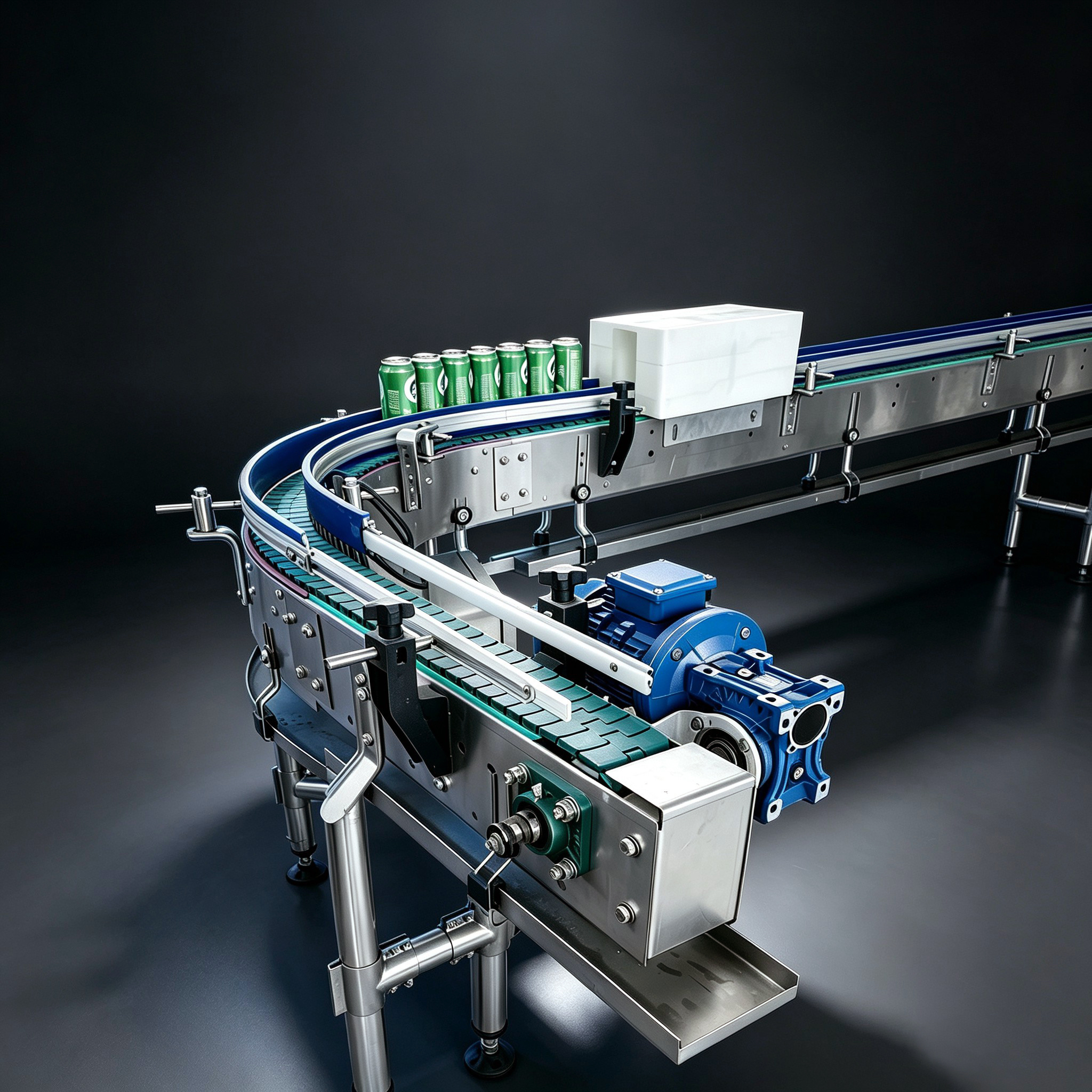
Plastic Wear Strips for Conveyor Chains and Belts
Conveyor wear strips provide a replaceable sliding surface between moving chains or belts and their supporting structure. Selecting the right material and profile helps manage friction, wear and operating noise.
Manage Friction
A suitable sliding surface can reduce drag at the contact interface. Results depend on chain material, load, speed, surface finish and operating conditions.
Protect Conveyor Supports
Wear strips separate moving components from the underlying support, creating a serviceable wear surface that can be replaced during maintenance.
Match Your Installation
Profile shape, mounting details and running clearance are reviewed against the existing conveyor or a new equipment design.
Custom Conveyor Wear Strip Configurations
Use these configurations as a starting point. Final geometry, production method and feasibility are confirmed from your drawing or sample.
Flat Wear Strips
Rectangular sliding strips for chain tracks, belt supports and replacement wear surfaces.
- Custom width, thickness and length
- Cut-to-size or machined edges
- Drawing-based mounting holes
U-Channel Wear Profiles
Channel-shaped profiles designed around a supporting rail or mounting section.
- Internal opening matched to the support
- Wall thickness and fit reviewed
- Installation clearance confirmed
Clip-On Wear Strips
Profiles evaluated for attachment to compatible conveyor supports without drilling through the running face.
- Support geometry required for review
- Retention and expansion considered
- Sample fit recommended
Chain Guide Strips
Grooved or shaped wear components for supporting and guiding compatible conveyor chains.
- Chain type and size confirmation
- Running clearance review
- Contact surface matched to the chain
Side Guide Wear Strips
Plastic contact surfaces for lateral guidance of products or compatible conveyor assemblies.
- Custom contact height and profile
- Mounting interface to your drawing
- Product contact conditions reviewed
Custom Machined Wear Parts
Drawing-based components for replacement projects, transitions and non-standard conveyor layouts.
- Slots, counterbores and drilled holes
- Steps and custom cross-sections
- Prototype evaluation before repeat supply
Choosing a Material for Conveyor Wear Strips
UHMWPE is a common starting point for sliding conveyor components. Other engineering plastics may suit different stiffness, dimensional or operating requirements.
| Material | Typical Selection Reasons | Points to Confirm |
|---|---|---|
| UHMWPE | Low-friction sliding surfaces, abrasion resistance and impact resistance. | Load, speed, temperature, thermal expansion and required tolerances. |
| HDPE | General-purpose guides and components where its chemical resistance and cost suit the application. | Wear demand and stiffness; it should not be assumed equivalent to UHMWPE. |
| POM / Acetal | Machined guide components requiring higher stiffness and dimensional control. | Impact, chemical exposure and sliding contact conditions. |
| PA / Nylon | Mechanically loaded guide and wear components where the selected grade is suitable. | Moisture absorption, dimensional changes and installation clearance. |
Material properties vary by grade. For food-contact, antistatic or other special requirements, specify the applicable standard and documentation before quotation. Color alone does not establish compliance.
Conveyor Wear Strip Specifications to Confirm
Accurate specifications help avoid fit problems and make quotations easier to compare. Available sizes, tolerances and production quantities are evaluated for each project.
| Specification | Details to Provide |
|---|---|
| Profile & dimensions | Cross-section drawing, overall length, width, thickness, grooves and mating dimensions. |
| Material & color | Required polymer and grade, preferred color, or application details for material selection. |
| Mounting features | Hole diameter, pitch, slots, countersinks, counterbores and support rail dimensions. |
| Critical tolerances | Identify fit dimensions and inspection references on the drawing. |
| Operating conditions | Chain or belt type, load, speed, temperature, lubrication, washdown and chemical exposure. |
| Order & delivery | Quantity per profile, sample requirements, destination and requested delivery schedule. |
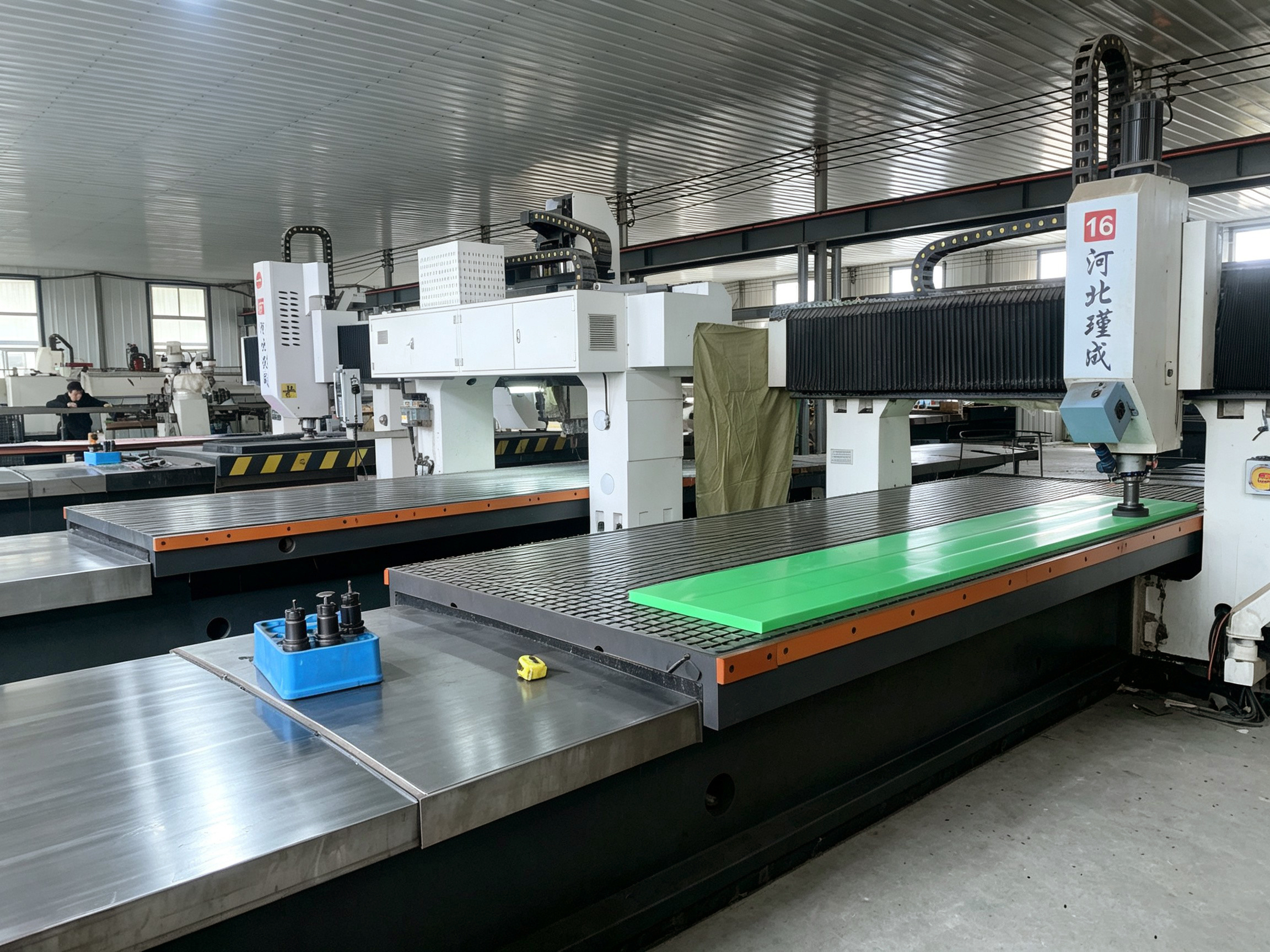
From Plastic Material to Finished Conveyor Components
Jincheng Plastic combines engineering plastic production with custom machining services for conveyor equipment projects.
- Material review: confirm the specified polymer, grade and application requirements.
- Manufacturing review: assess cutting, machining or profile production against the geometry and quantity.
- Dimensional inspection: check agreed critical dimensions against approved drawings.
- Export preparation: coordinate protective packing, part identification and shipment requirements.
Wear Strip Supply for Conveyor Equipment Projects
Whether you are developing a new machine or replacing existing components, the operating environment determines the specification.
Packaging Lines
Review sliding contact, line speed and mounting geometry for chain and belt support components.
Bottling & Beverage
Evaluate washdown exposure, cleaning chemicals, guide contact and replacement access.
Food Processing
Define food-contact status, cleaning conditions and required material documentation before selection.
Industrial Handling
Confirm loading, debris, impact and operating temperature for maintenance or OEM projects.
How to Order Custom Conveyor Wear Strips
Send Your Requirements
Share drawings or sample photos, material, dimensions, quantity and operating conditions.
Review the Specification
Confirm material, profile geometry, critical tolerances, manufacturing method and quotation scope.
Evaluate the Sample
Where agreed, check a prototype or pre-production sample for fit before volume production.
Produce & Dispatch
Proceed with the approved specification, agreed inspection checks and export packing.
Conveyor Wear Strip Questions
What is the difference between a wear strip and a chain guide?
A wear strip primarily provides a replaceable sliding surface. A chain guide also controls the chain’s running path through its geometry. Some components perform both functions, so the profile should be selected against the actual chain and installation.
Can you manufacture replacement wear strips from a sample?
Sample-based evaluation is available. Provide photographs and measured dimensions first, then confirm whether a physical sample is needed. Worn samples may not represent the original dimensions, so mating parts and running clearances should also be checked.
Can you add holes, slots or custom mounting features?
Drawing-based machining can be evaluated for holes, slots, counterbores, steps and other mounting details. Specify their positions and tolerances, and identify any features that must remain clear of the running surface.
Do conveyor wear strips require lubrication?
Some plastic wear strips can operate without added lubrication in suitable applications. The decision depends on material pairing, load, speed, temperature and the conveyor manufacturer’s guidance. Existing lubrication arrangements should be reviewed before making changes.
How should thermal expansion be considered?
Plastic profiles change length with temperature. Strip length, mounting slots, fixed points and expansion gaps should be designed for the selected material and expected temperature range. Confirm these details with the equipment designer before installation.
What are the MOQ and production lead time?
MOQ and lead time depend on material availability, profile geometry, tooling, machining requirements and order quantity. Send your specification and requested delivery date so these can be confirmed in the quotation.
Can you supply wear strips for food-contact applications?
State the intended contact conditions, destination market and applicable documentation requirements before quotation. A suitable grade and supporting documents must be confirmed for the project; general UHMWPE or HDPE identification alone does not establish food-contact suitability.
Request a Conveyor Wear Strip Quotation
Send your drawing or sample details to discuss material selection, profile geometry and production requirements with Jincheng Plastic.
For an existing conveyor, include the chain or belt model and photographs of the mounting area.