
Custom plastic parts manufacturer
Plastic parts made to your drawing, sample or application.
Source CNC-machined, injection-molded and extruded plastic components through one engineering-focused supplier. We review material, geometry, function, quantity and inspection requirements before production.
Processing routes
Choose the right manufacturing route
Use CNC machining for flexible quantities and precision geometry, injection molding for repeat production, or extrusion for continuous profiles. Final feasibility is confirmed after technical review.
CNC Milling & Turning
Custom plates, guides, wheels, sleeves and precision wear parts machined from plastic stock.
Process 02Plastic Extrusion
Continuous profiles, strips, rails, tubes and sections developed around the application.
Process 03Injection Molding
Repeat-production industrial, appliance, medical-device and automotive plastic components.
CNC milling & turning
Machined engineering plastic components
Suitable for prototypes, replacement parts and repeat batches where geometry, surface contact or dimensional control matters.
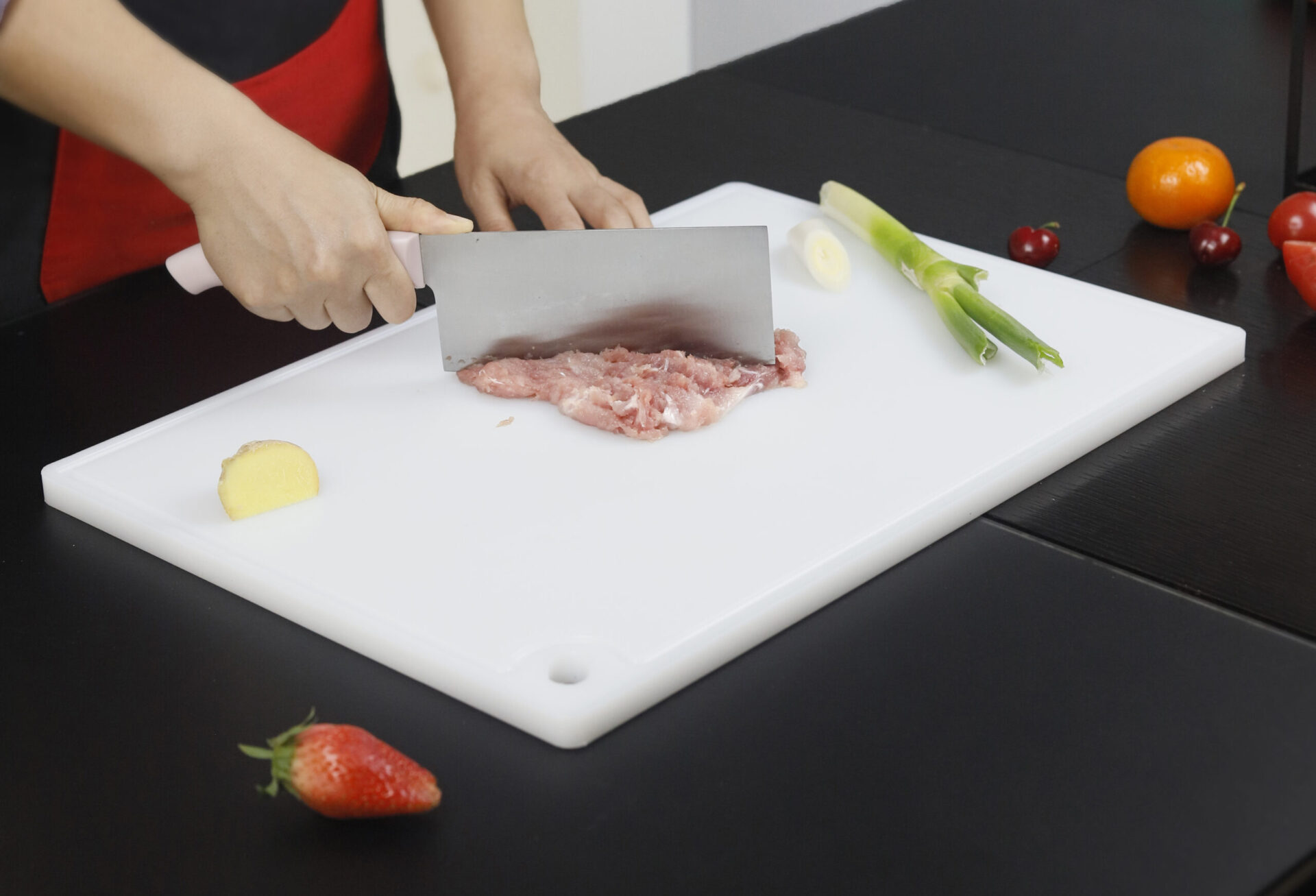
Industrial Cutting Boards
Machined plastic boards for food preparation, processing equipment and replaceable work surfaces.
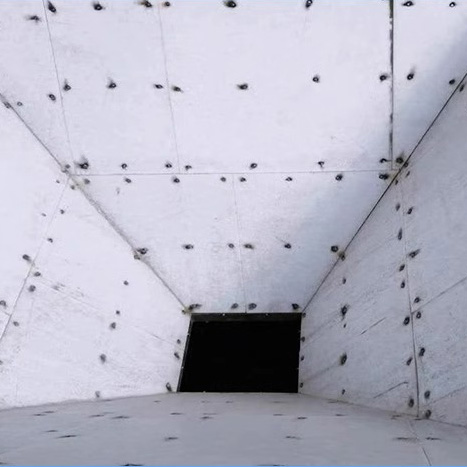
Wear Liners
Low-friction liners for bins, chutes, hoppers and material-flow contact surfaces.
Send Inquiry →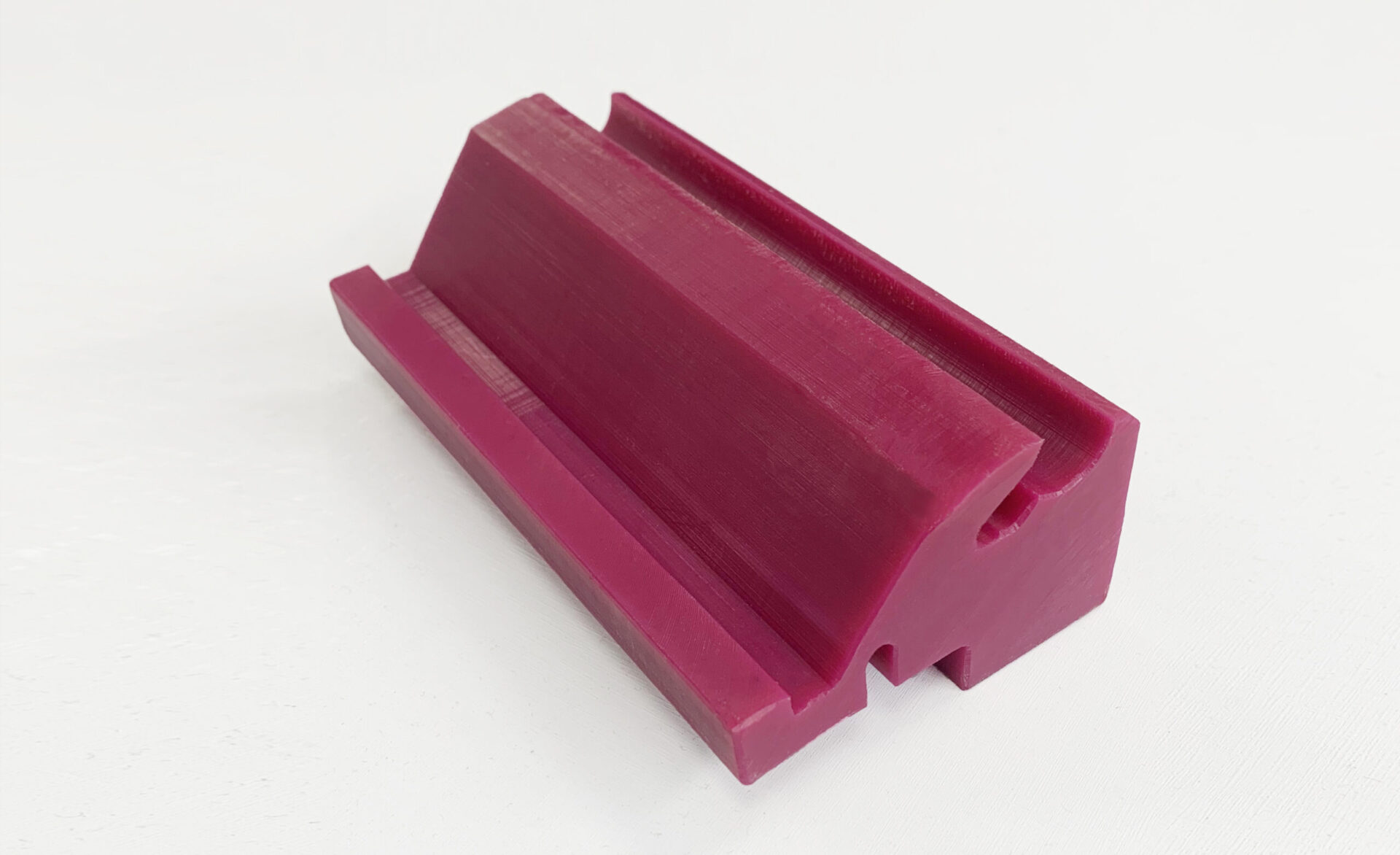
Metering Rod Holder
Machined wheels and rotary components used for controlled feeding, spacing and product handling.
Send Inquiry →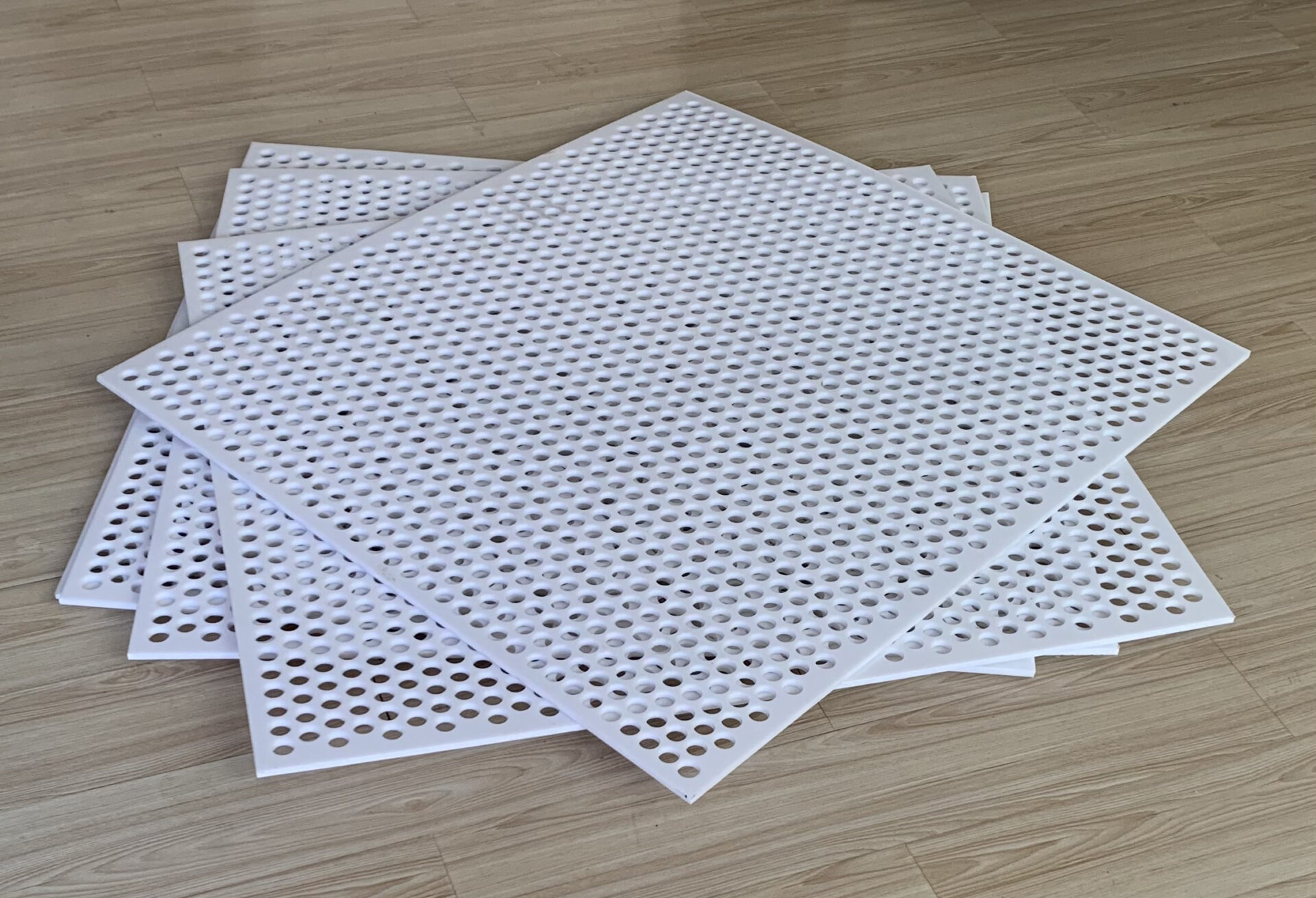
Retort Separator Plates
Perforated plastic divider plates for separating containers and improving circulation inside food sterilization retorts and baskets.
Send Inquiry →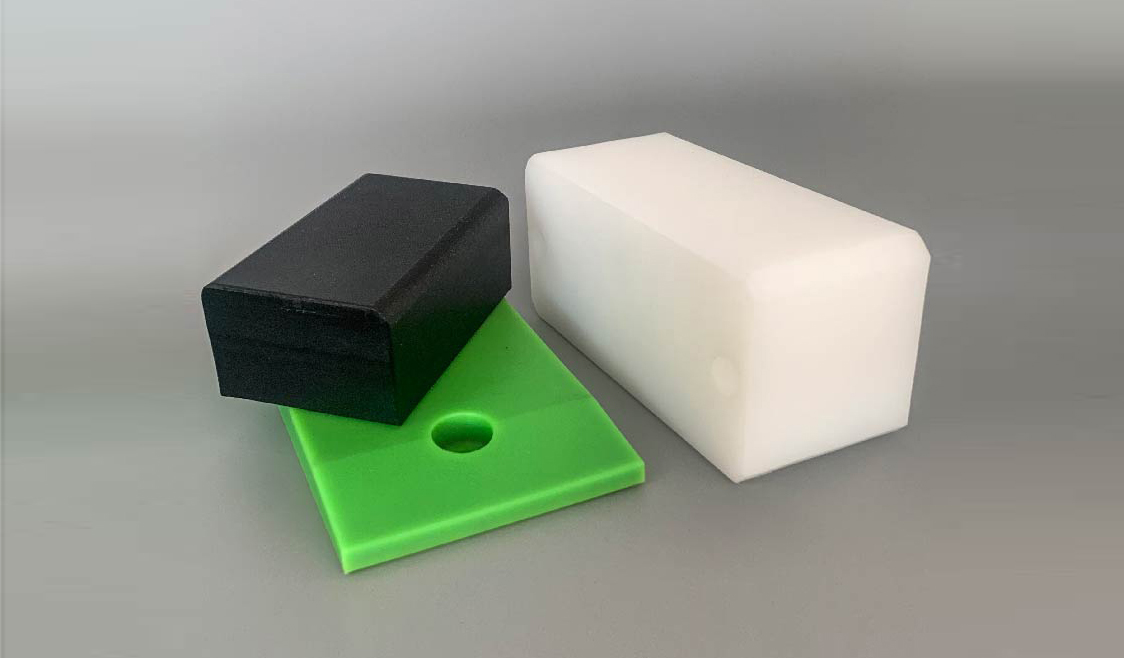
Sliding Blocks
Guiding and bearing blocks for linear movement, fixtures, equipment and automated assemblies.
Send Inquiry →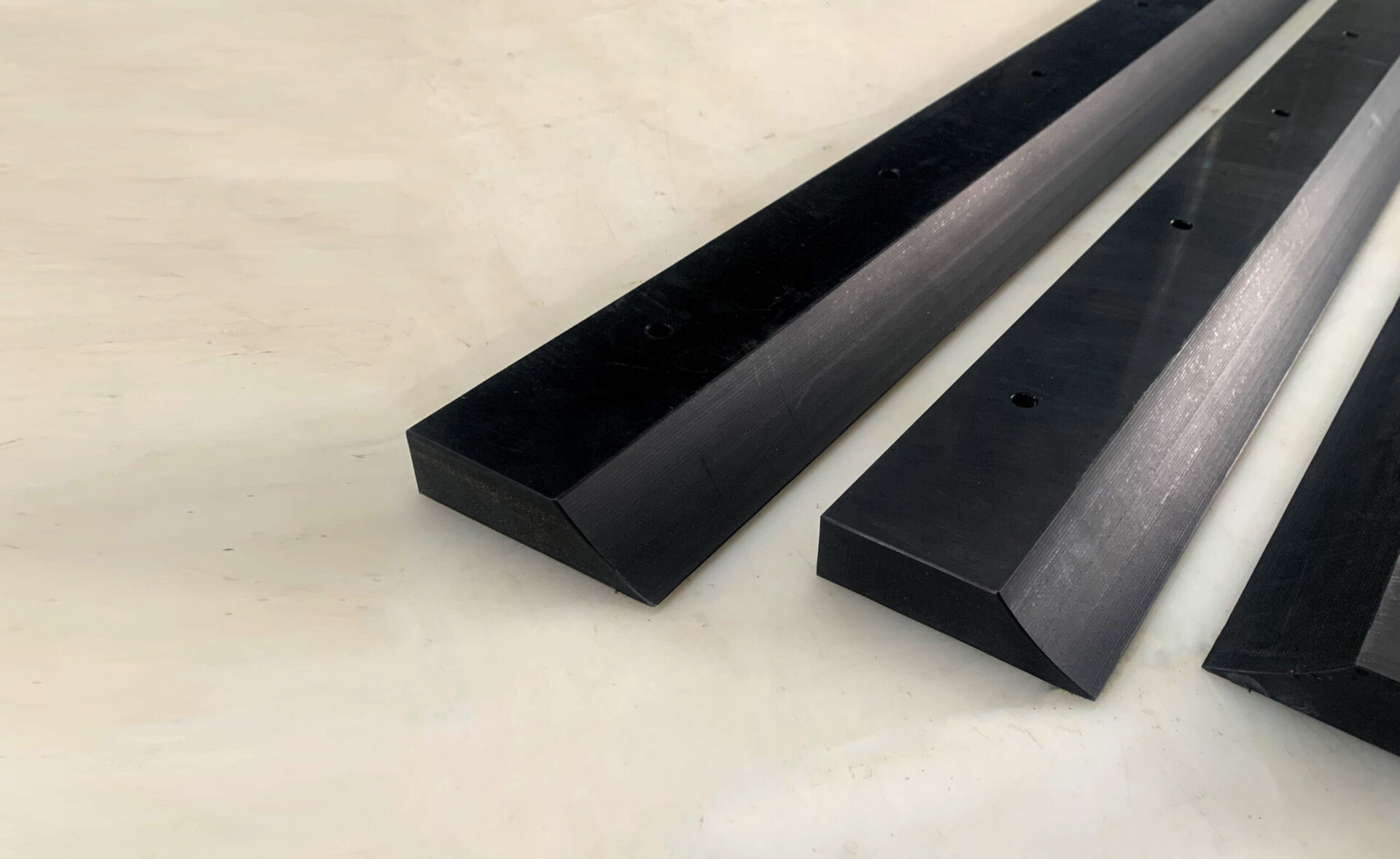
Polyethylene Scraper Blades
Wear-resistant PE scraper blades for conveyors, material handling equipment and industrial surface-cleaning applications.
Send Inquiry →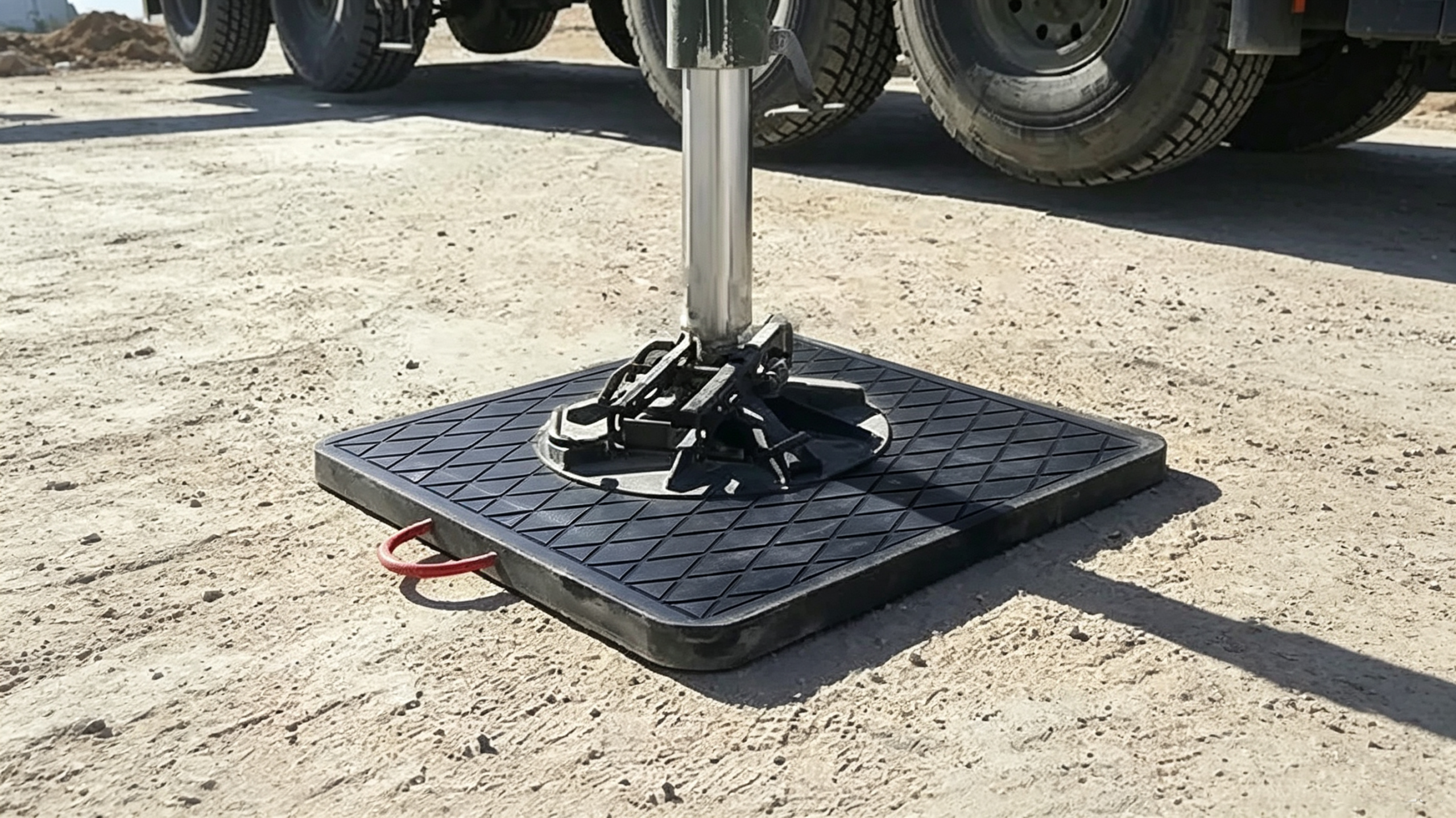
Crane Outrigger Pads
Machined load-spreading pads for cranes, access equipment and mobile machinery support.
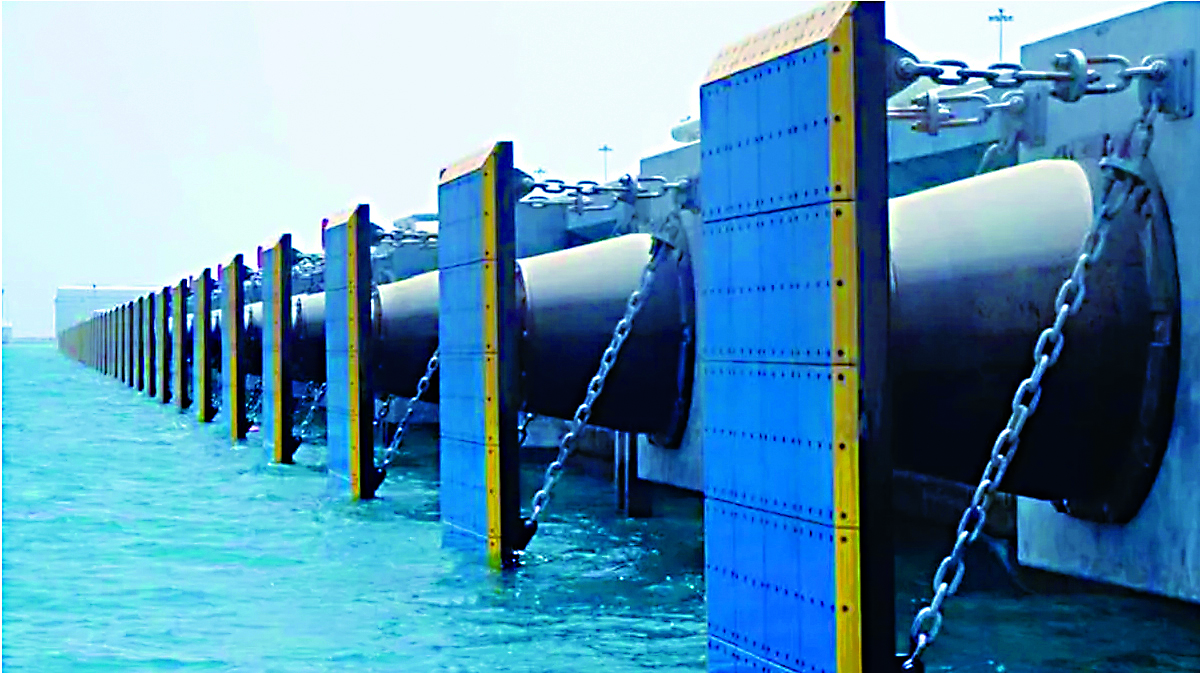
UHMWPE Fender Facing Panels
Low-friction, wear-resistant UHMWPE facing panels for marine fender systems, helping protect vessels and dock structures during berthing.
Send Inquiry →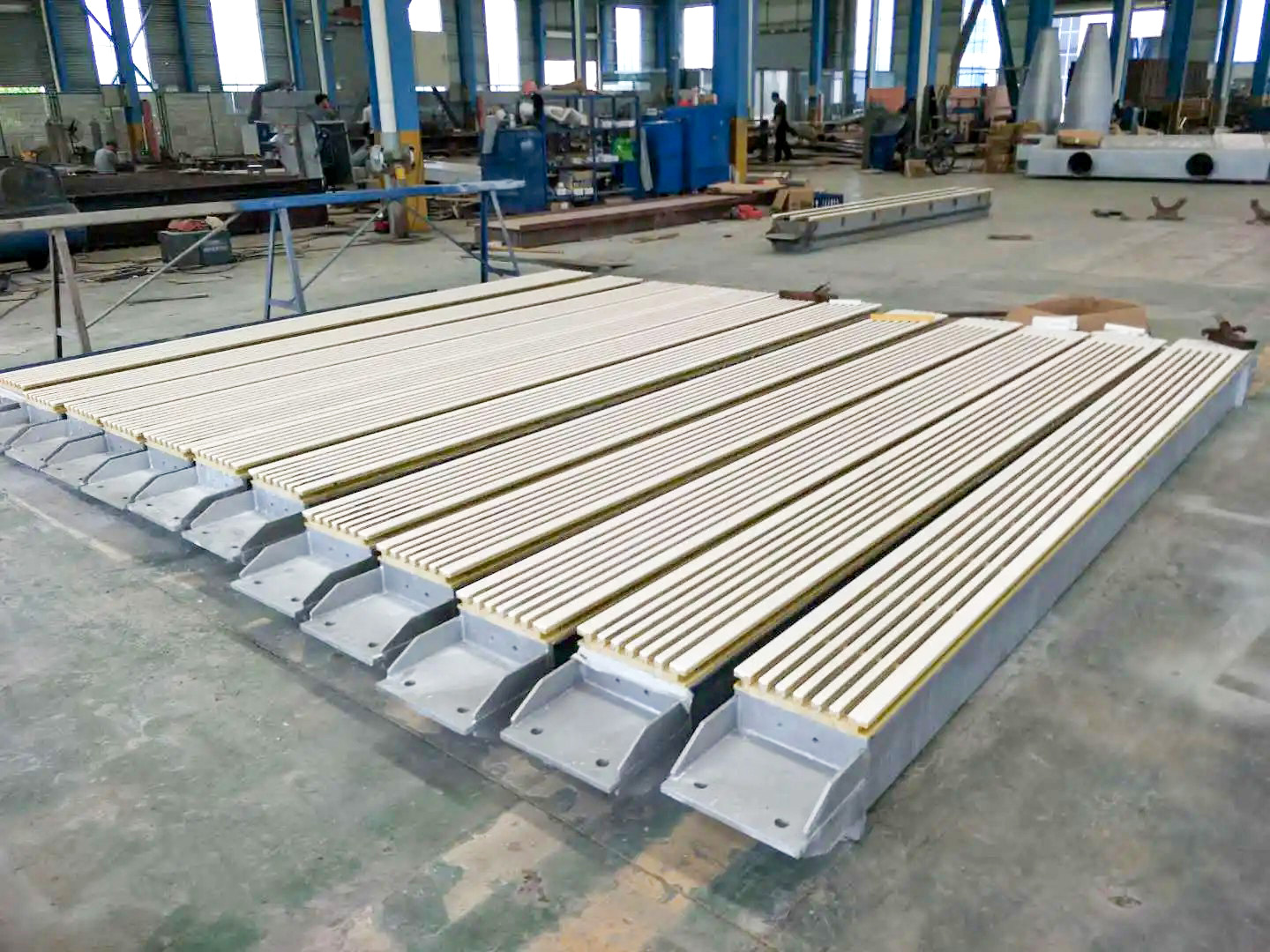
Water-Shedding Surface Panels
Machined surface-pattern panels developed for water release, flow control or reduced material adhesion.
Send Inquiry →Hopper & Silo Linings
Custom-cut lining panels designed to protect equipment and improve bulk-material discharge.
Send Inquiry →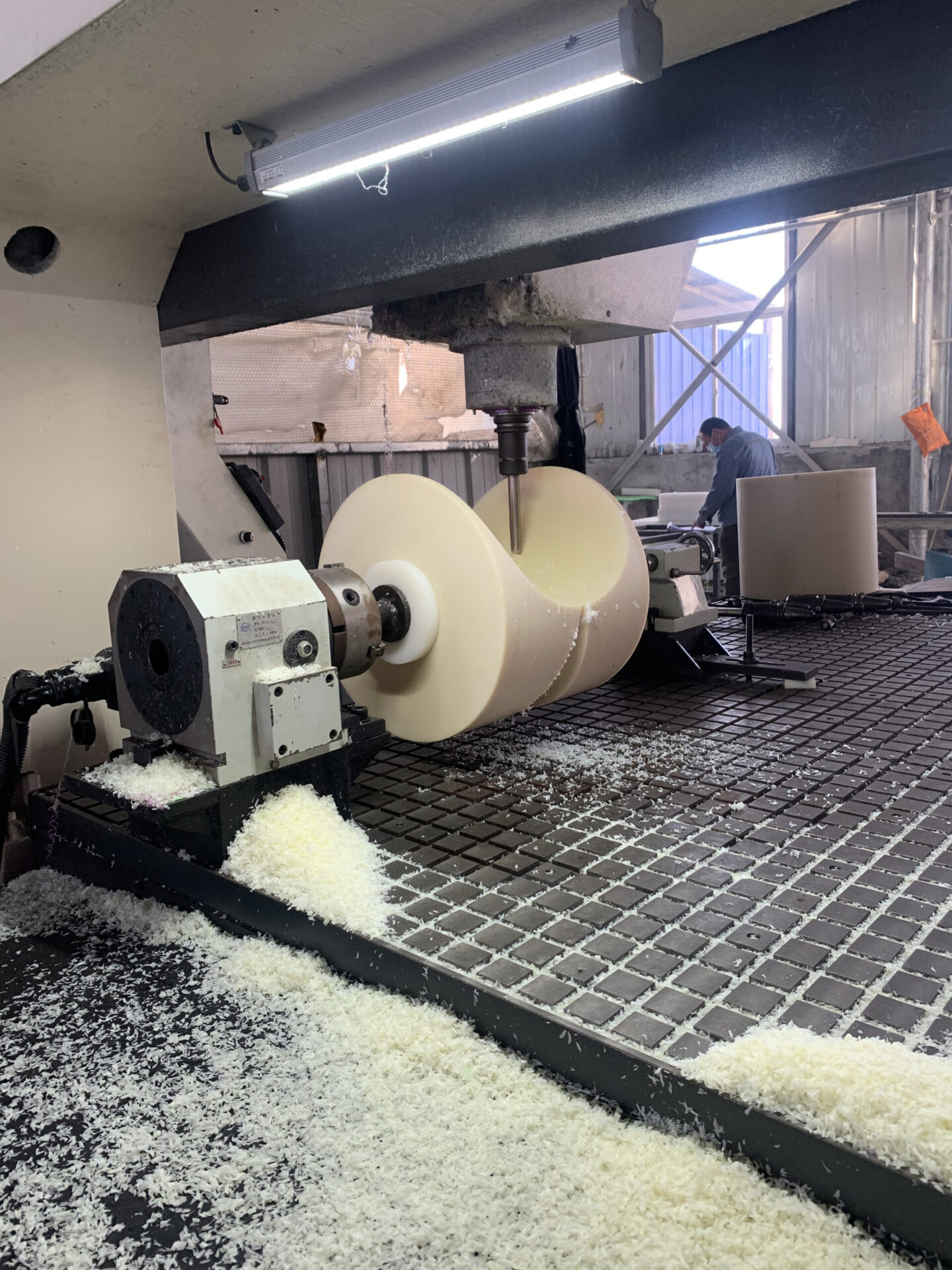
Nylon Rollers & Guide Wheels
Turned and milled rollers for guiding, supporting and positioning moving products or assemblies.
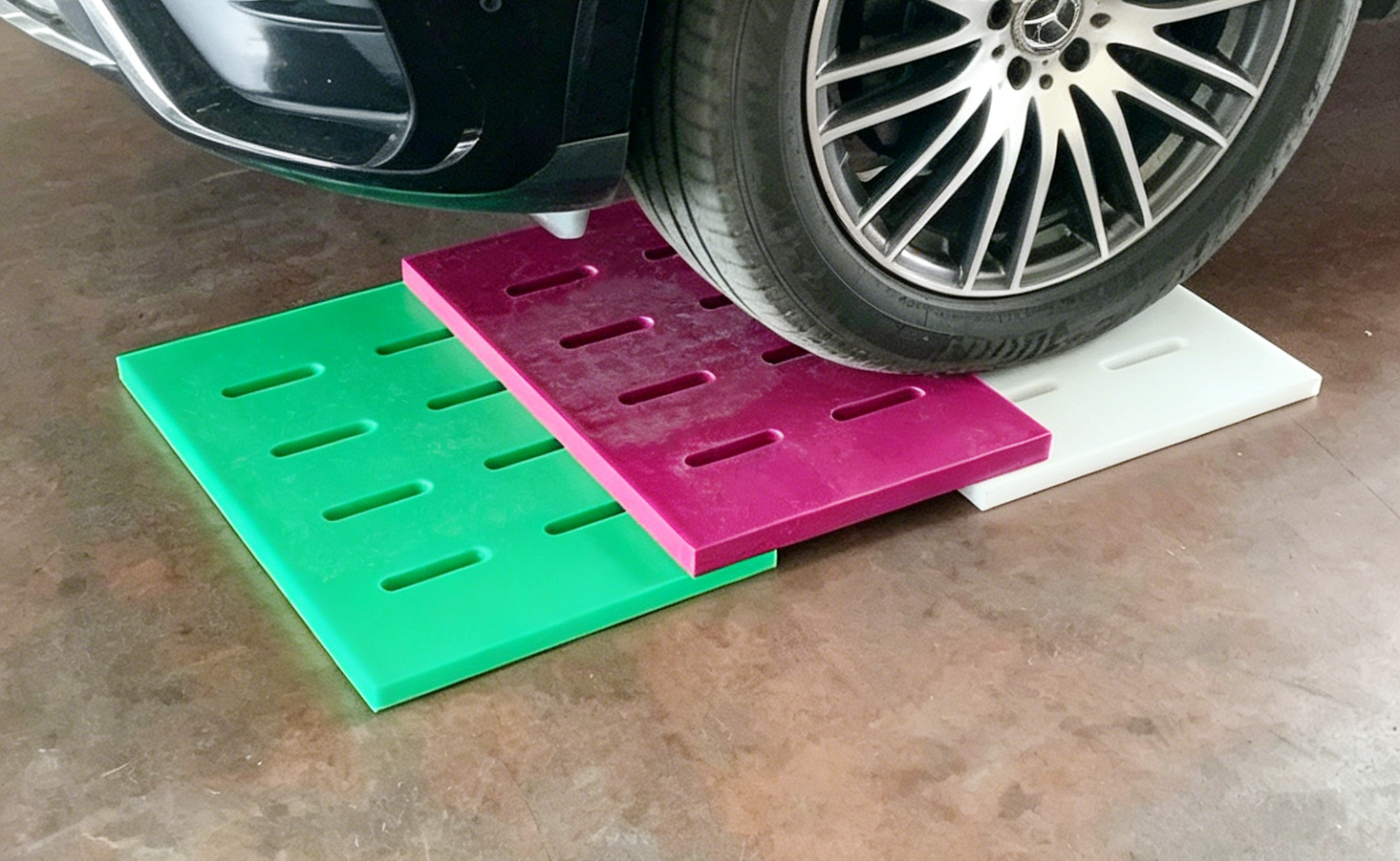
Polyethylene Trench Covers
Durable, corrosion-resistant polyethylene cover plates for drainage trenches, workshops and industrial access channels.
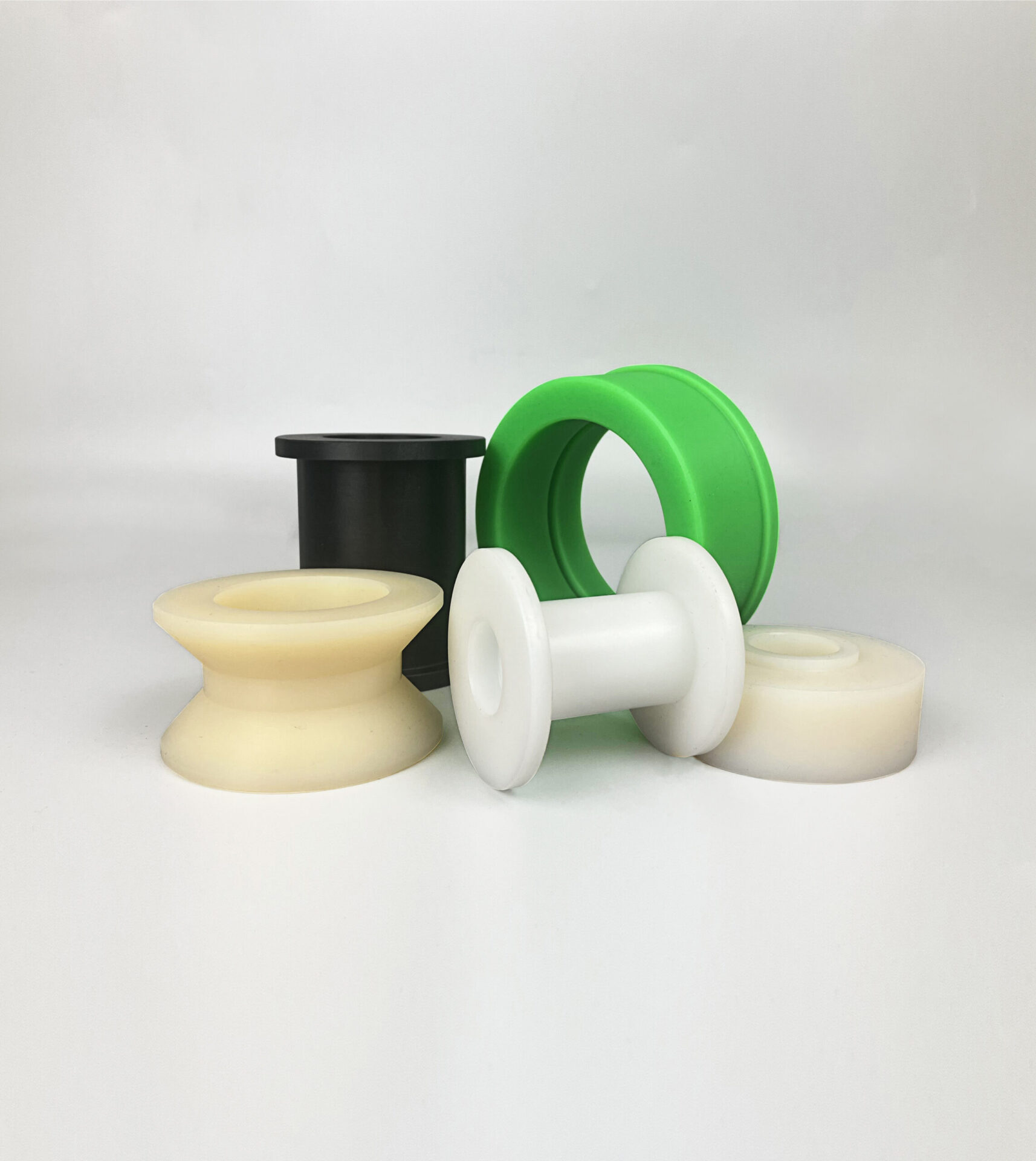
Nylon Pulleys & Guide Wheels
Machined nylon pulleys and guide wheels for conveying, lifting, guiding and positioning systems requiring low noise and reliable wear performance.
Send Inquiry →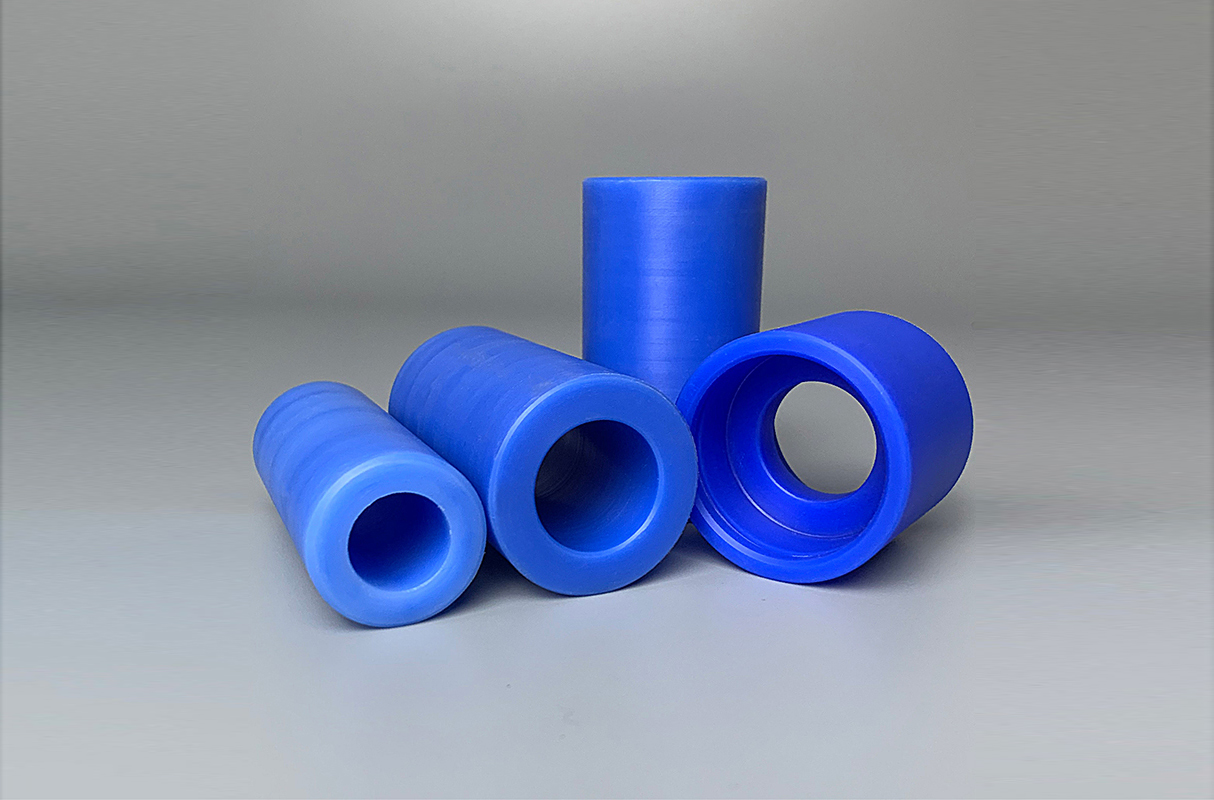
Plastic Sleeves & Bushings
Machined cylindrical wear parts for shafts, pivots, guides and replaceable bearing positions.
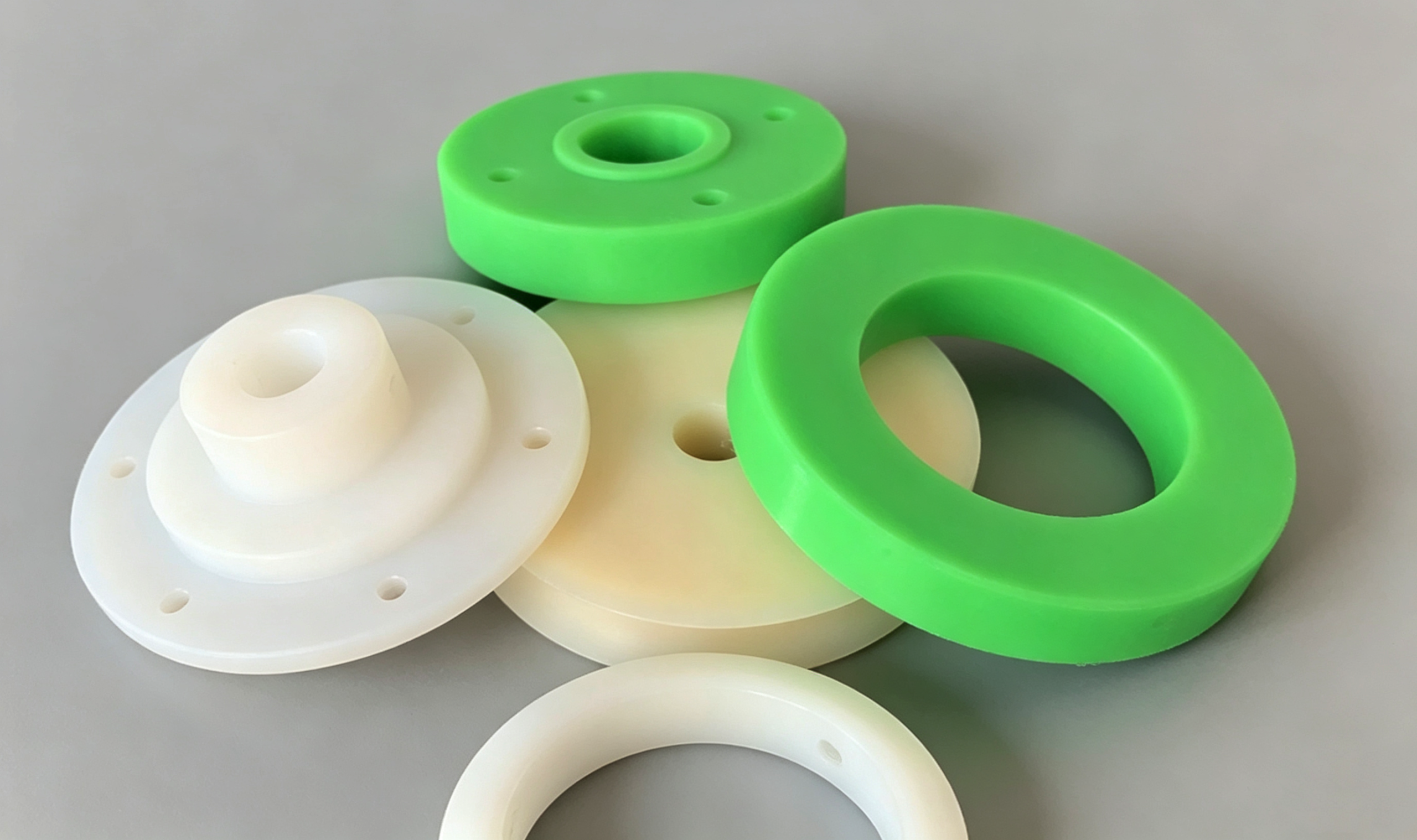
Plastic Gaskets & Spacers
Flat or profiled isolation, spacing and sealing components cut or machined to drawing.
Send Inquiry →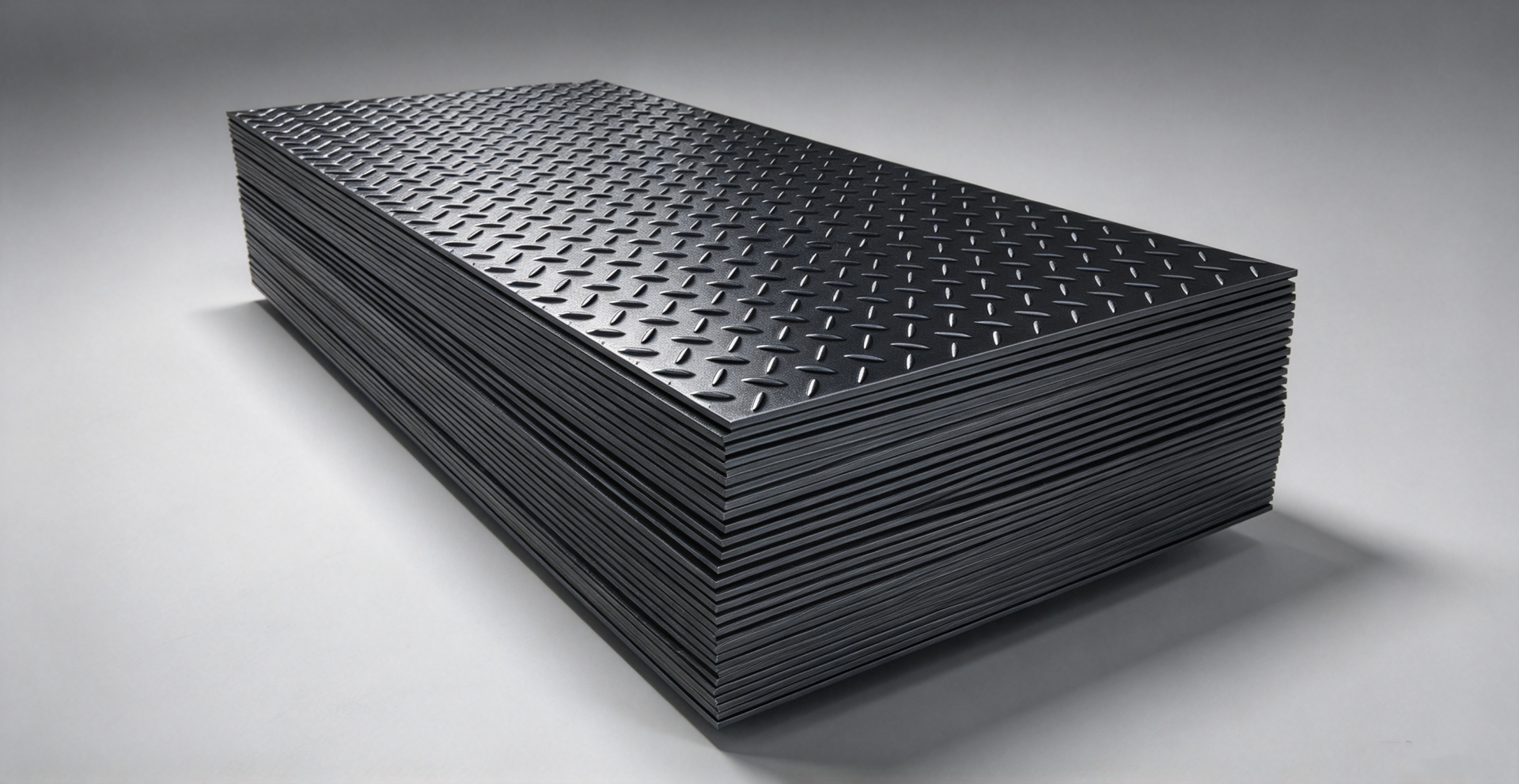
Temporary Road Way
Plastic panels for temporary access routes and ground protection at worksites and events.
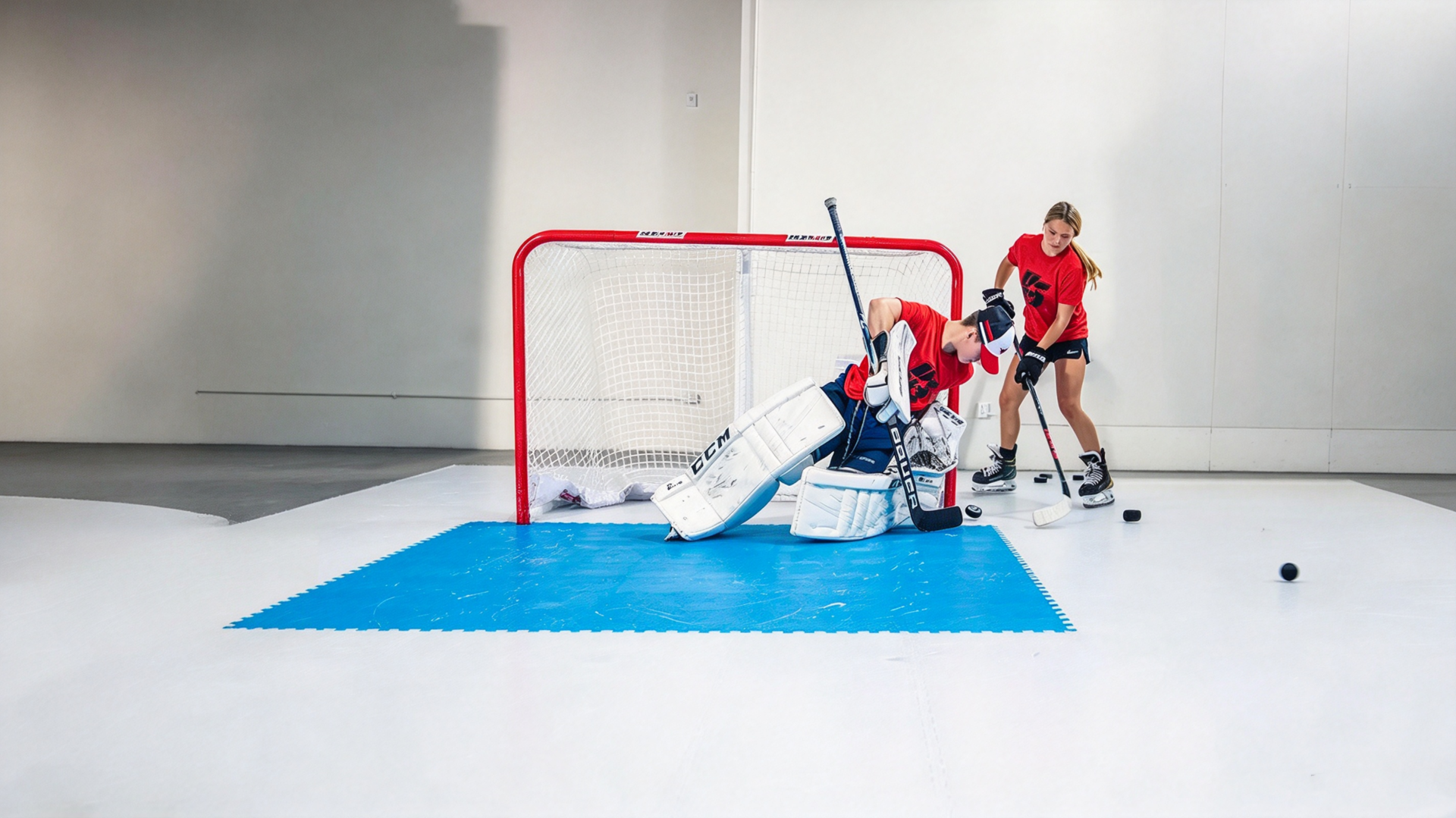
Artificial Ice Panels
Synthetic ice panels for skating practice areas, training facilities and recreational rink projects.
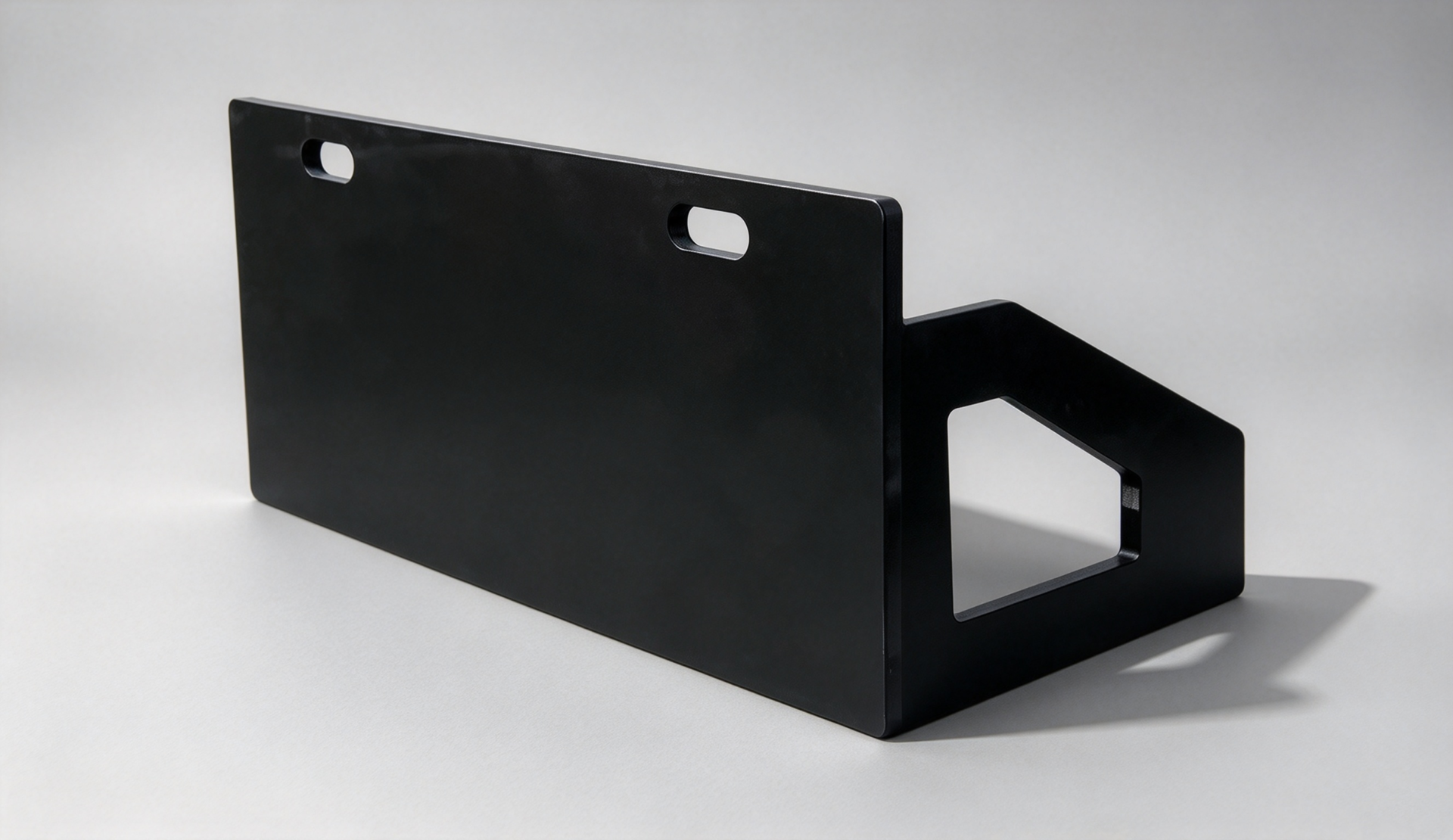
Football Rebound Board
Plastic rebound boards for football passing drills, ball-control practice and individual or team training.
Plastic extrusion
Continuous profiles and wear strips
For linear components with a consistent cross-section. Send a profile drawing, material preference, required length, quantity and secondary-machining needs.
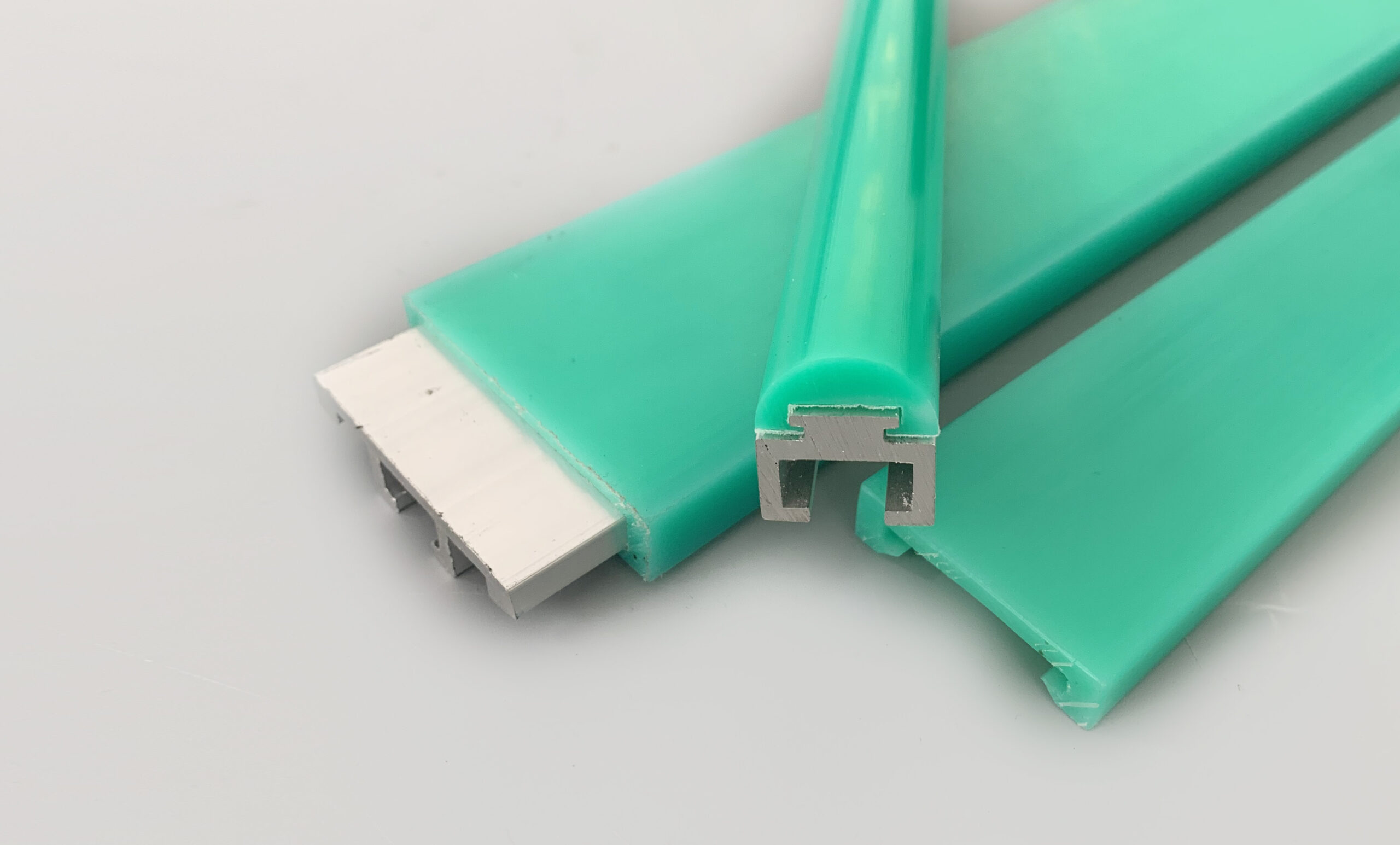
Conveyor Guardrails
Extruded guide profiles that keep bottles, packages and products aligned along conveyor lines.
Send Inquiry →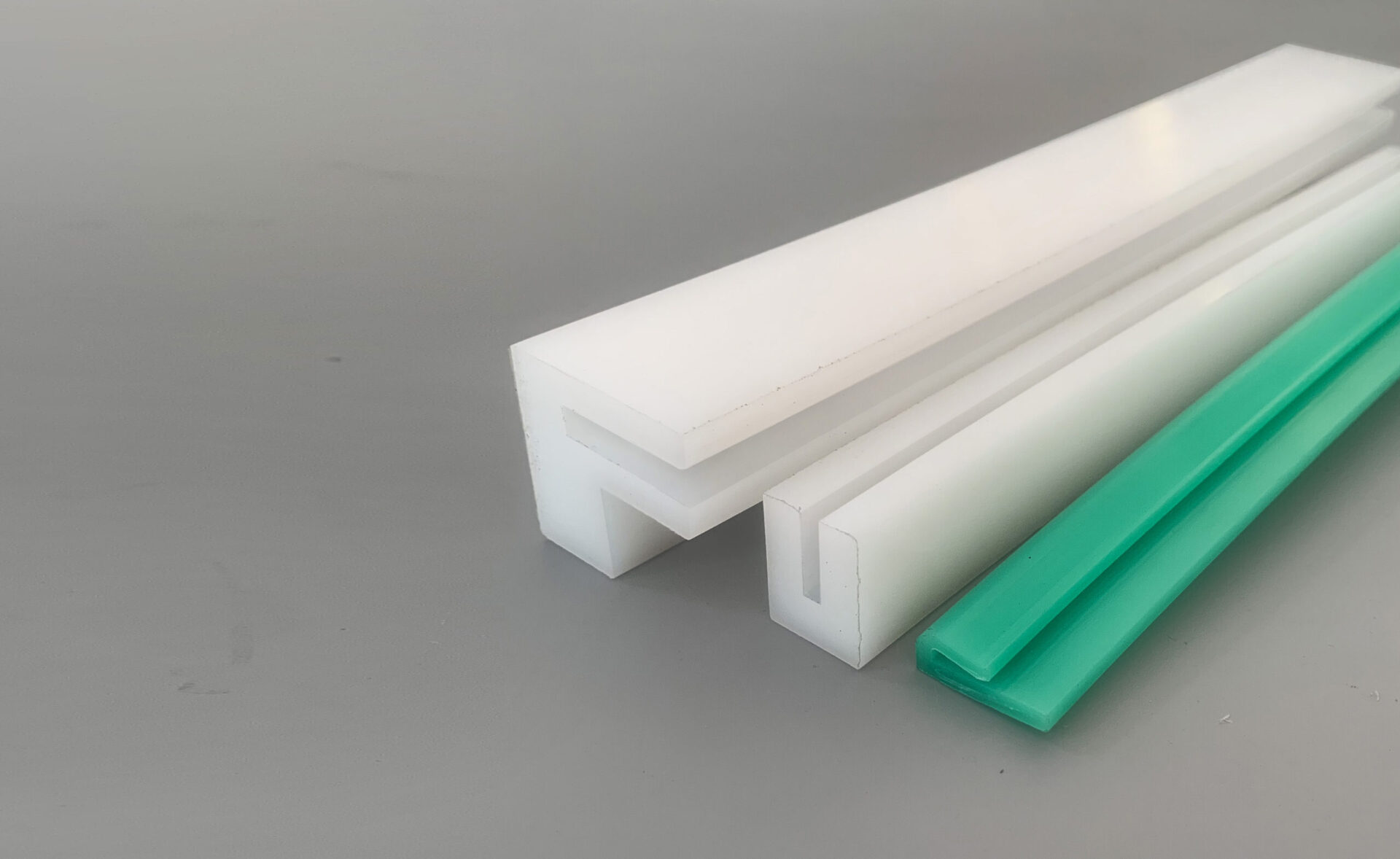
Conveyor Clip Strips
Extruded retaining and mounting strips used to secure guide rails, wear strips and conveyor accessories.
Send Inquiry →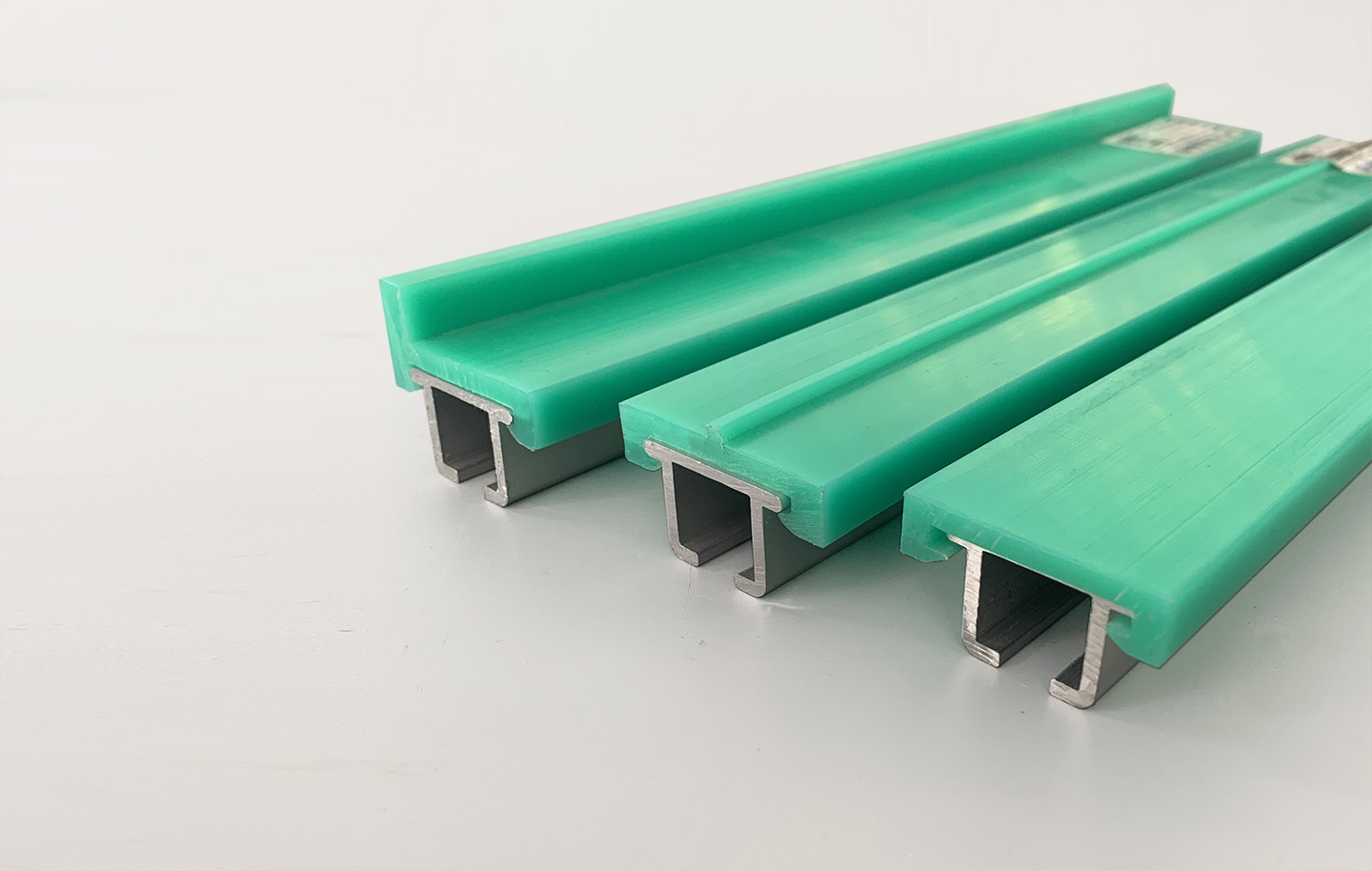
Conveyor Wear Strips
Low-friction support strips that reduce chain wear, noise and sliding resistance on conveyor systems.
Send Inquiry →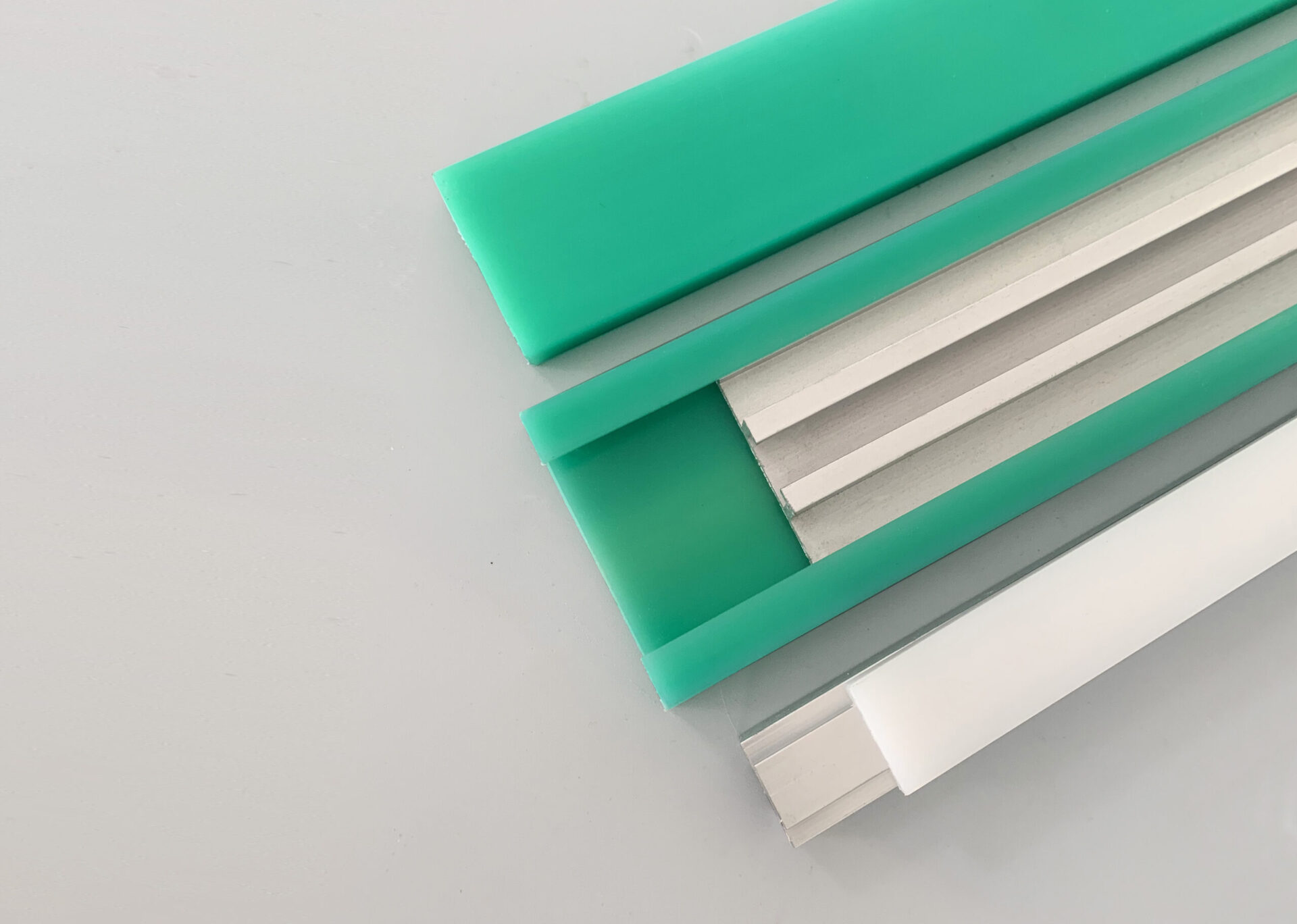
Custom Extruded Profiles
Custom plastic sections developed from your profile drawing, sample and application requirements.
Send Inquiry →Injection molding
Molded parts for repeat production
Tooling strategy, resin, annual demand and part function are reviewed together. Material grade and product-specific compliance remain subject to written confirmation.
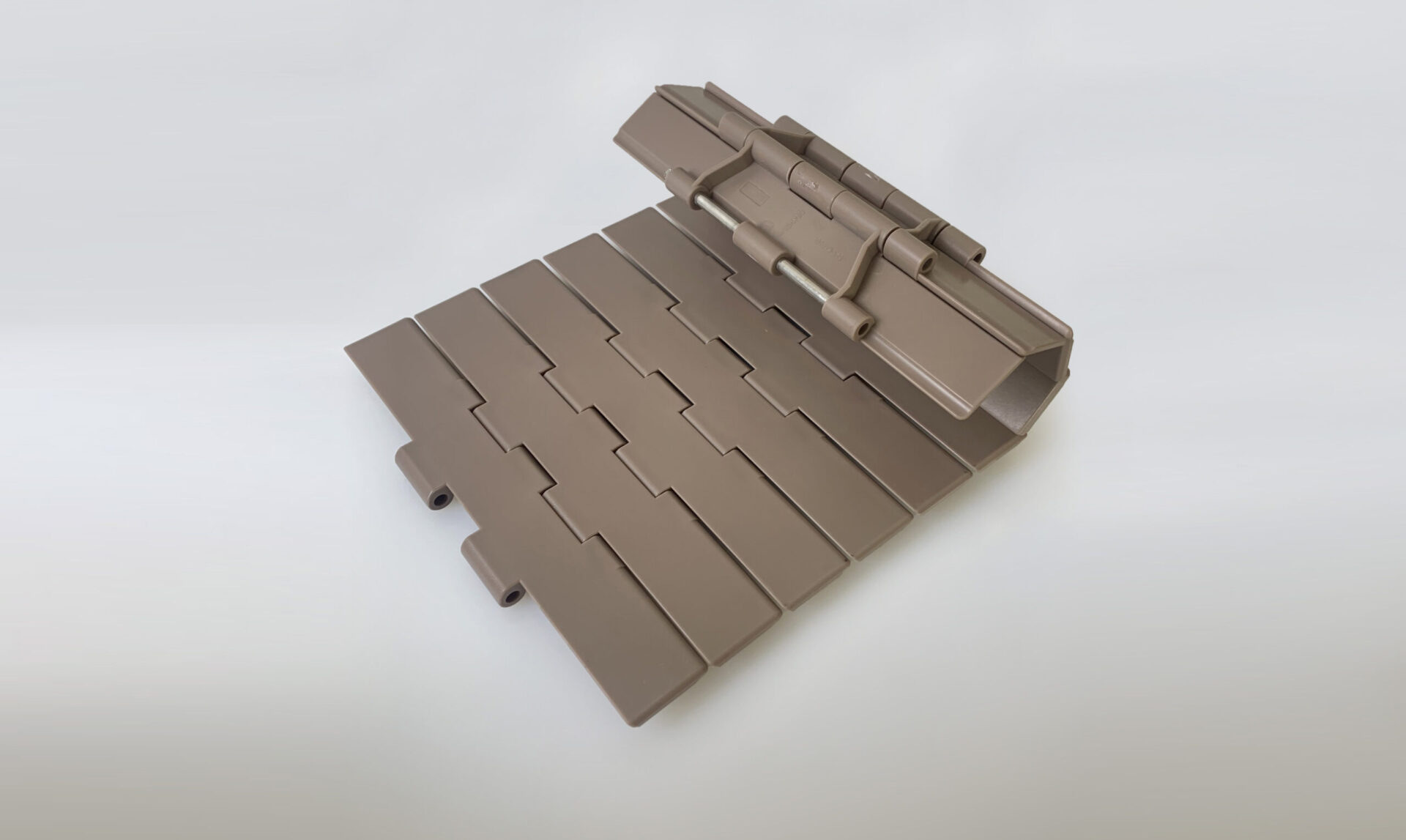
Industrial Components
Housings, covers, brackets, knobs, guards and functional components for machinery and equipment.
Send Inquiry →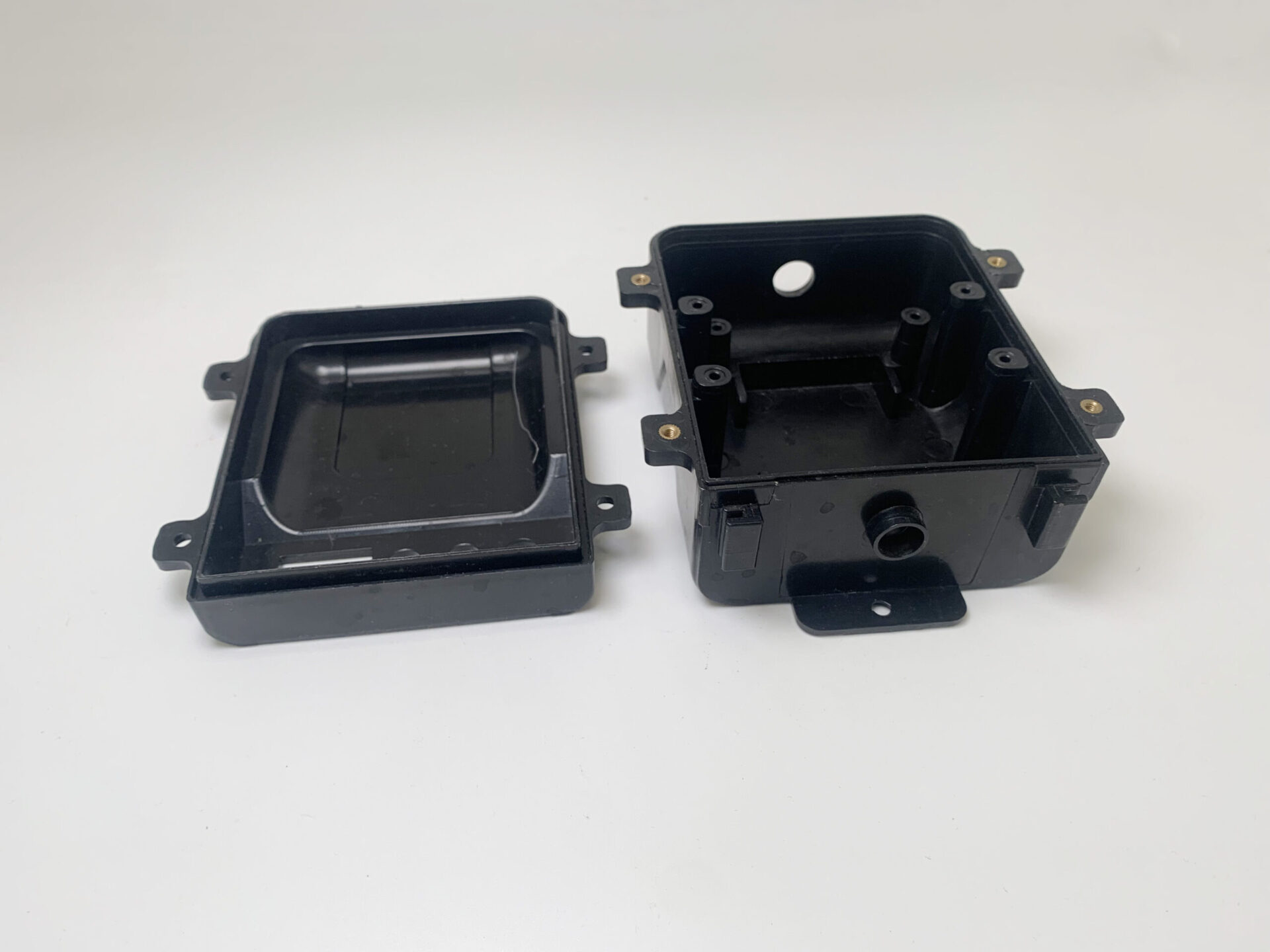
Electrical & Appliance Parts
Enclosures, structural parts and assembly components developed around electrical and appliance applications.
Send Inquiry →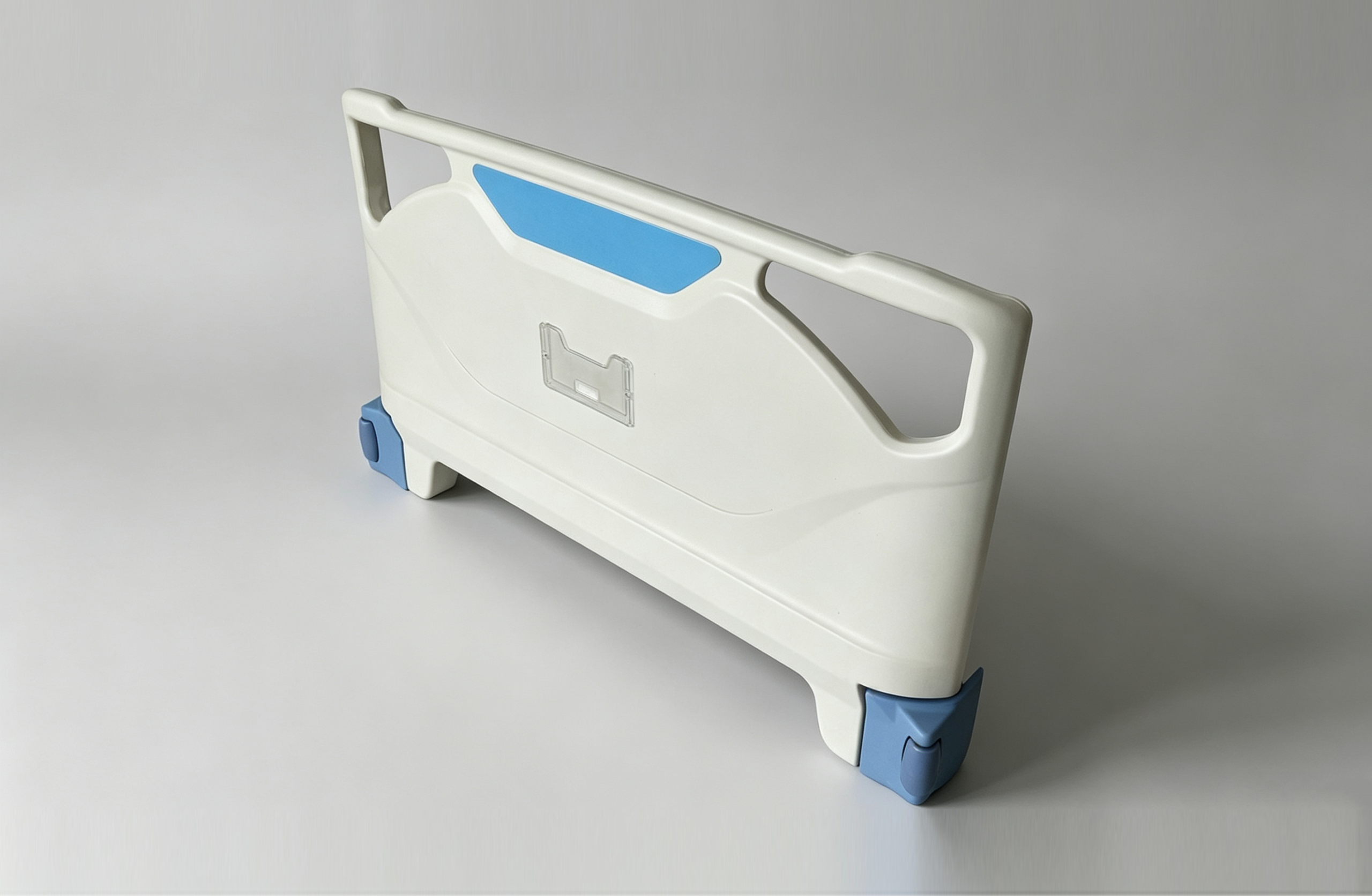
Medical-Device Components
Non-sterile molded components considered against drawing, material, traceability and documentation needs.
Send Inquiry →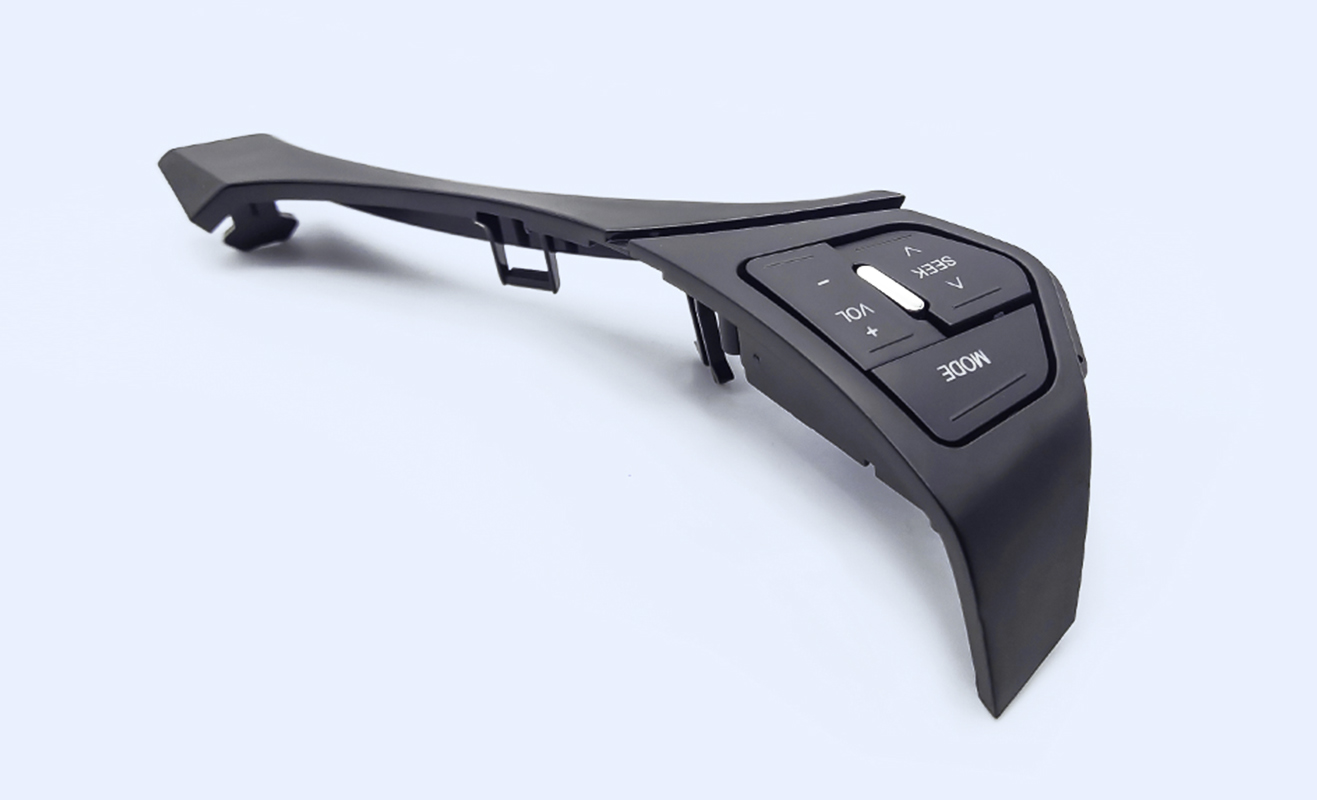
Automotive Components
Clips, covers, guides, interior parts and functional molded components for vehicle-related assemblies.
Send Inquiry →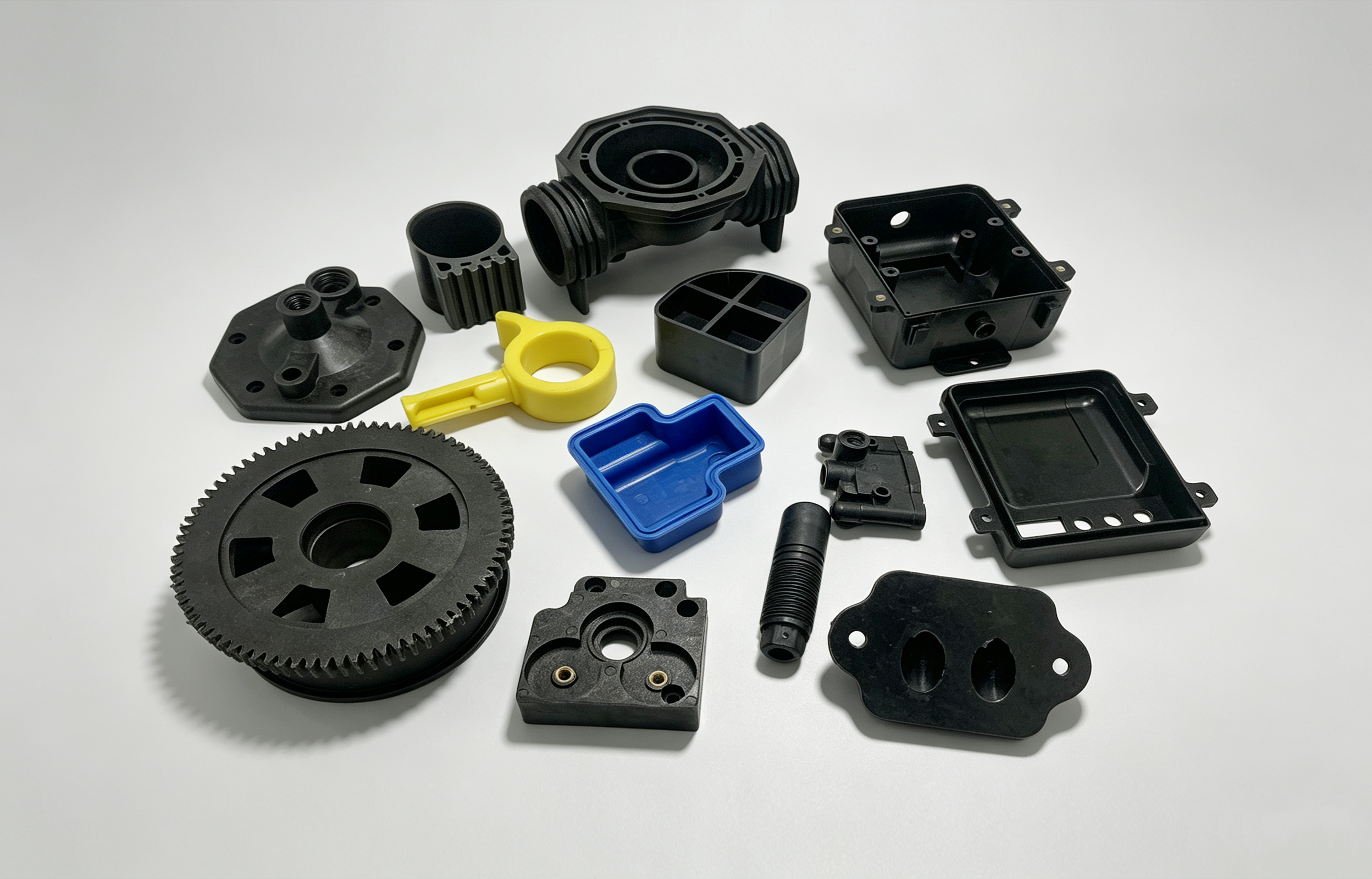
Insert-Molded Parts
Plastic components molded around compatible metal or functional inserts after process review.
Send Inquiry →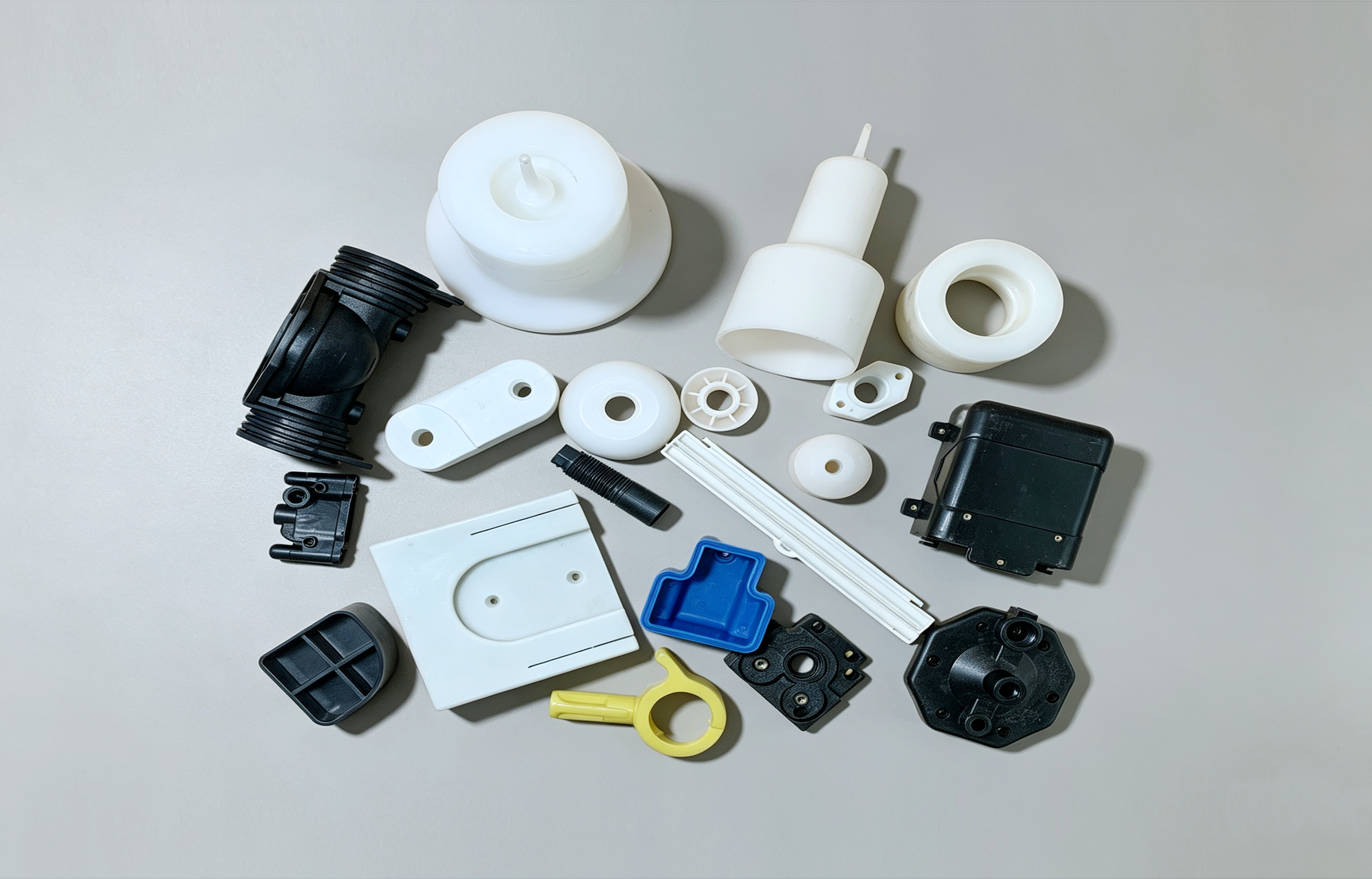
Custom Molded Parts
New-part development and supplier-transfer projects based on 3D data, drawings and production demand.
Send Inquiry →Process selection
Match volume, geometry and tooling.
There is no single best process for every plastic part. The correct route depends on design maturity, quantity, material and lifecycle cost.
| Process | Best suited to | What to provide |
|---|---|---|
| CNC milling & turning | Precision components, low-to-medium quantities, prototypes, replacements and complex machined features | 2D/3D drawing or sample, material, tolerance, quantity and critical surfaces |
| Injection molding | Stable designs, repeat production and parts whose economics support dedicated tooling | 3D model, resin requirement, annual volume, appearance and validation requirements |
| Plastic extrusion | Continuous profiles, strips, rails, tubes and shapes with a consistent cross-section | Profile drawing, length, quantity, material and secondary operations |
| Secondary operations | Drilling, routing, cutting, assembly, inserts, marking or other finishing after primary processing | Finished-part drawing, reference surfaces, assembly method and packing needs |
Project workflow
From technical file to repeatable part
Each project follows the evidence available. The quotation should separate confirmed requirements from assumptions that still need approval.
Drawing, model, sample, quantity and end-use conditions.
Process route, resin or stock material, tolerance and risk review.
Tooling where applicable, unit cost, timing and commercial terms.
First article, measurements and functional confirmation as agreed.
Controlled production, inspection, packing and repeat identification.
Production evidence
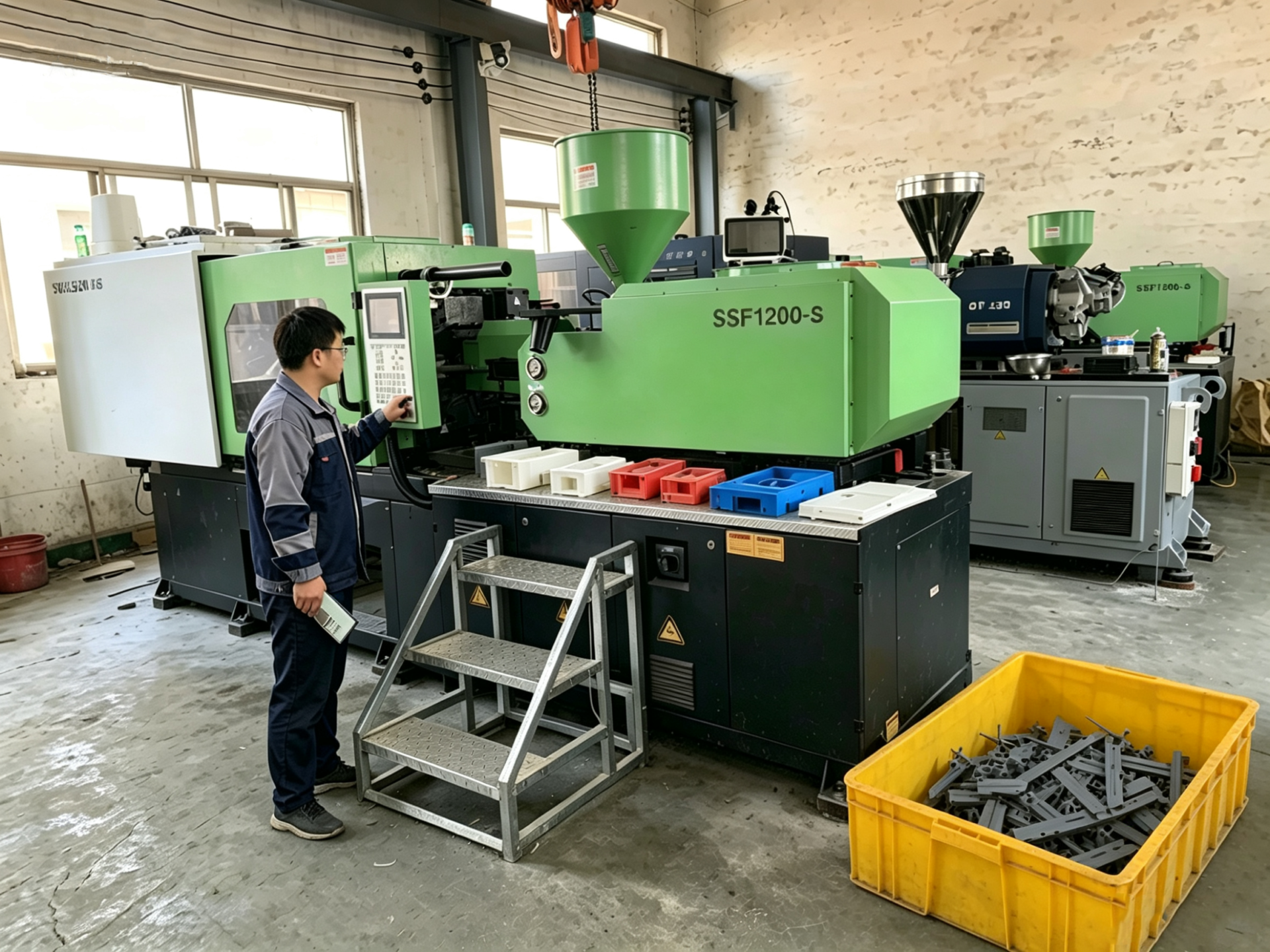
Production & Quality Verification
View our manufacturing equipment, inspection workflows and production capabilities for custom plastic components.
CNC machining
Show representative milling, turning, routing and workholding capability.
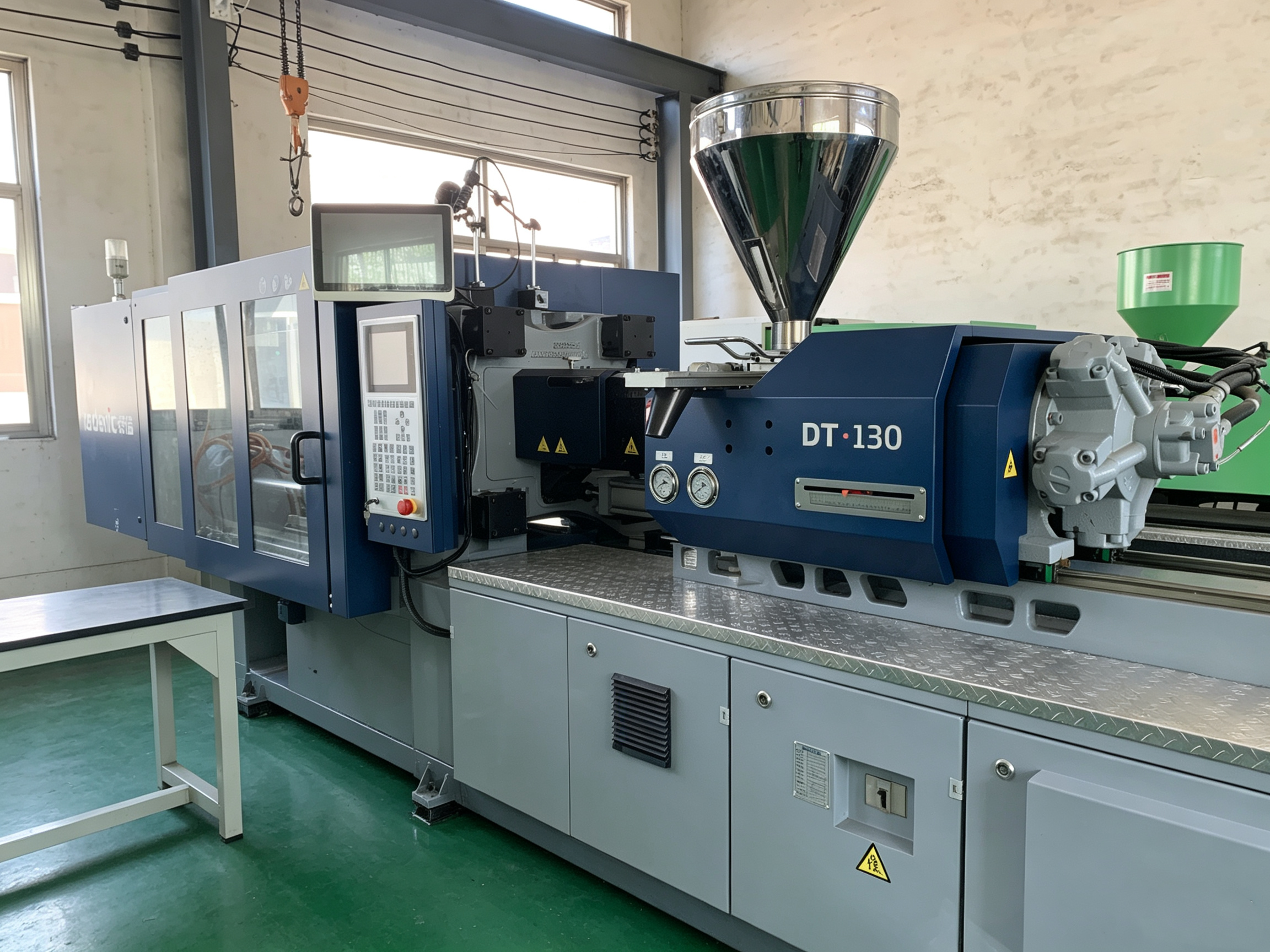
Injection molding
Show machines, molds, controlled production and representative parts.
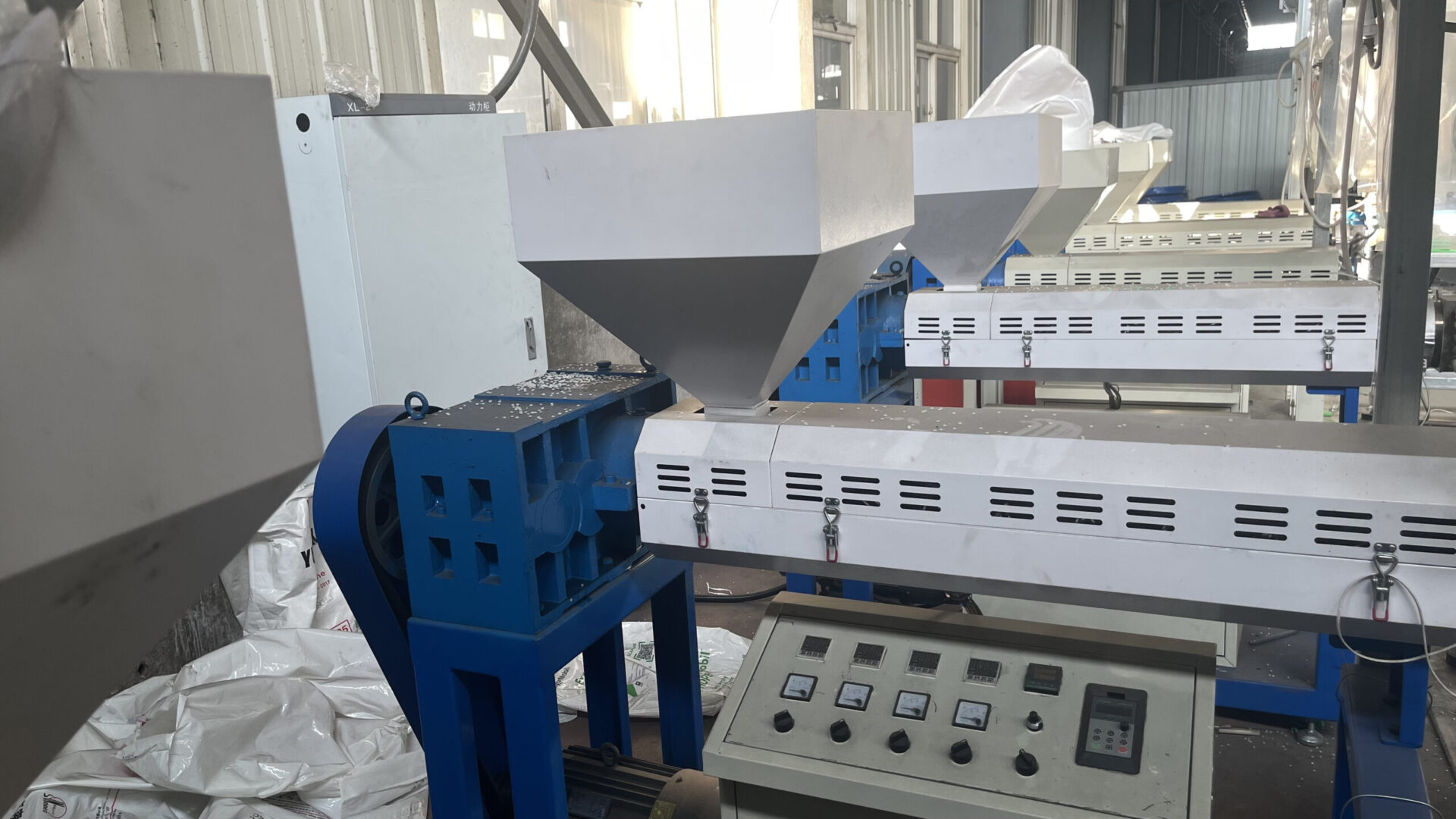
Extrusion
Show the extrusion line, profile control, cutting and downstream handling.
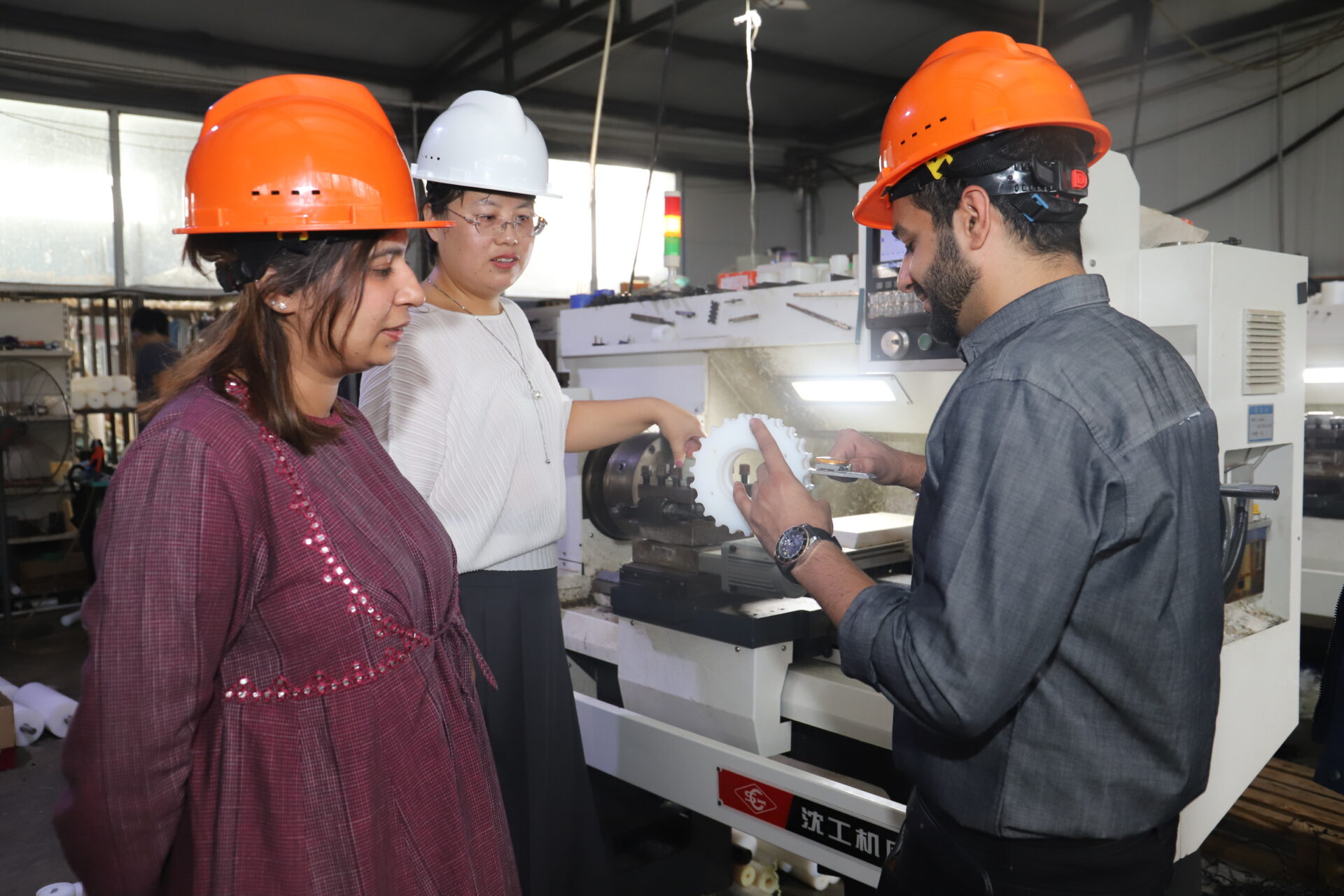
Inspection
Show instruments, first-article checks and agreed production records.
Application markets
Custom parts for industrial equipment and products
Food & packaging
Cutting boards, guides, star wheels, wear parts and product-contact components.
Material handling
Liners, pads, rollers, sliding parts and conveyor-related components.
Industrial machinery
Bushings, guards, fixtures, brackets and drawing-based replacement parts.
Electrical & appliances
Molded housings, covers and structural assembly components.
Automotive & transport
Protective panels, guides, clips and application-specific components.
Automation
Low-friction guides, positioning blocks and robot contact components.
Buyer questions
Plastic parts processing FAQ
Can you manufacture from a physical sample?
Yes, subject to review. A sample can support reverse engineering, but functional requirements, material, critical dimensions and allowable changes should also be confirmed.
How do I choose CNC machining or injection molding?
Machining is often suitable for prototypes, replacements and flexible quantities. Injection molding becomes more relevant when the design and recurring demand justify tooling. A total-cost comparison should be made for the actual project.
Can you recommend a plastic material?
Yes. Provide temperature, load, impact, friction, chemicals, electrical needs, appearance and any required compliance. Final grade availability and documentation should be confirmed in writing.
What is needed for an accurate quotation?
Send a drawing or 3D model, material, quantity, tolerances, finish, inspection requirements, destination and target timing. Mark every specification that is critical to function.
Which plastic processing route fits your part?
Choose the nearest inquiry route. Attach drawings, models or sample photos and include material, quantity, application, critical tolerances and destination.