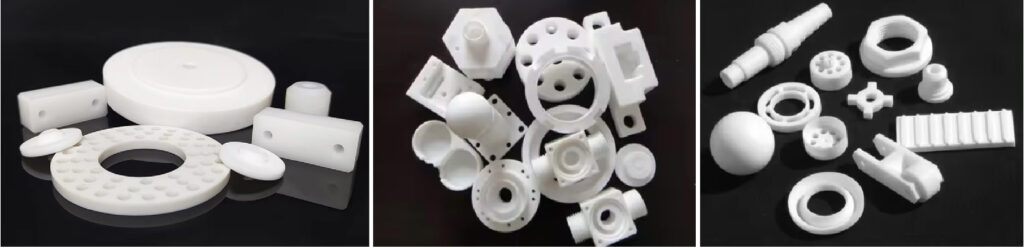
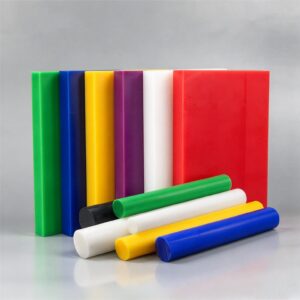
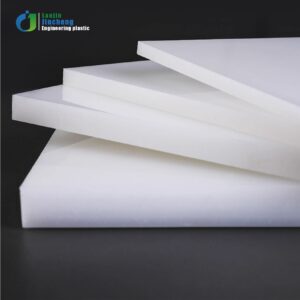
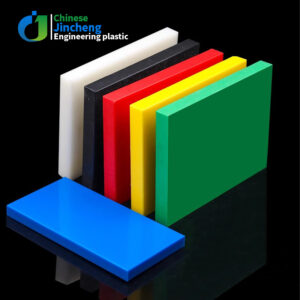
PTFE Sheet/Rod

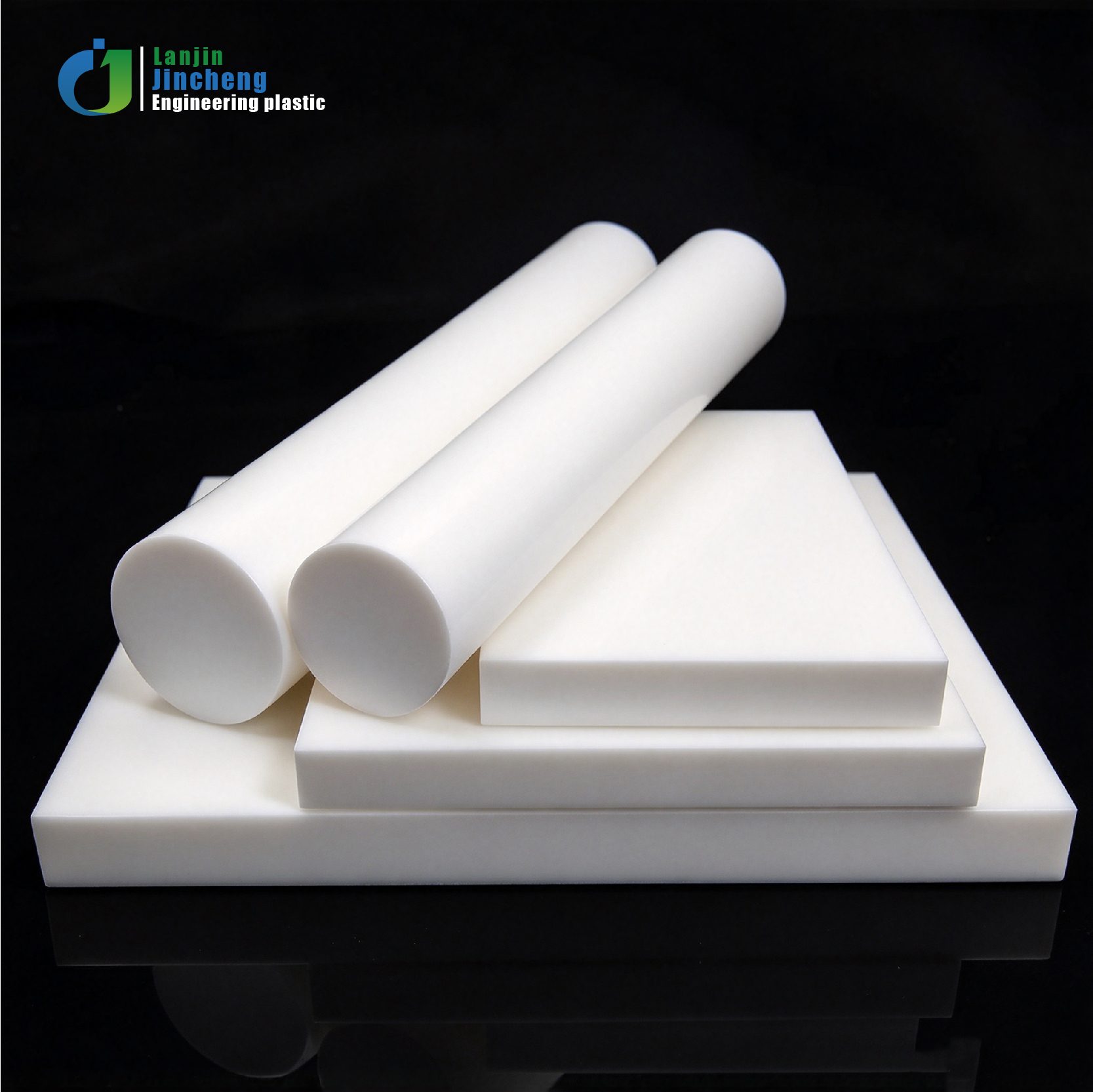
PTFE (Polytetrafluoroethylene) is a synthetic fluoropolymer of tetrafluoroethylene, commonly known by the brand name Teflon. It is a white, waxy thermoplastic material.

Features:

1. High Temperature Resistance
2. Low Temperature Resistance
3. Acid & Alkali Resistance
4. Weather Resistance
5. High Lubricity
6. Non-stick
7. Non-toxic
8. Insulation

Description

PTFE (Polytetrafluoroethylene) is a synthetic fluoropolymer of tetrafluoroethylene, commonly known by the brand name Teflon. It is a white, waxy thermoplastic material.

PTFE  Specifications
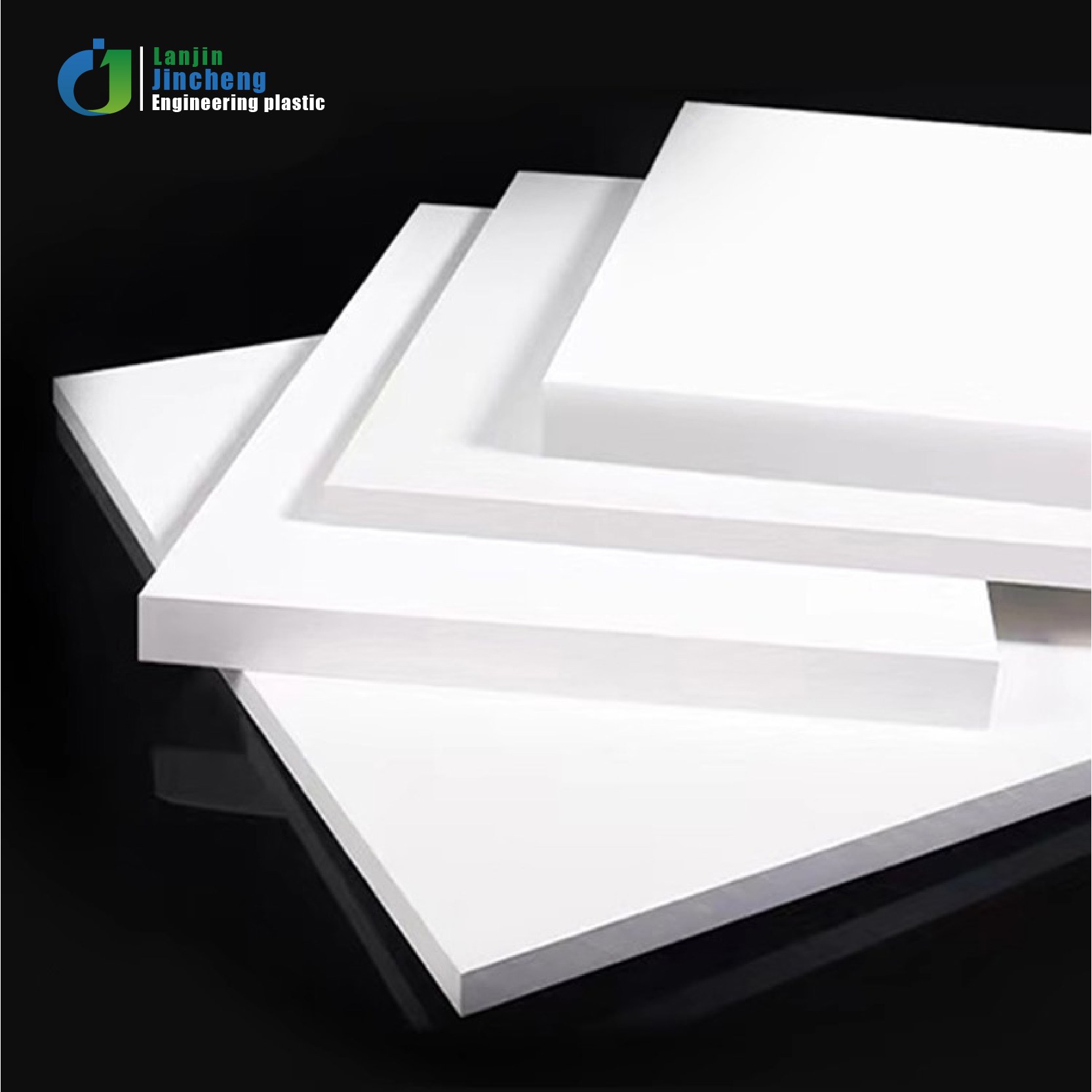
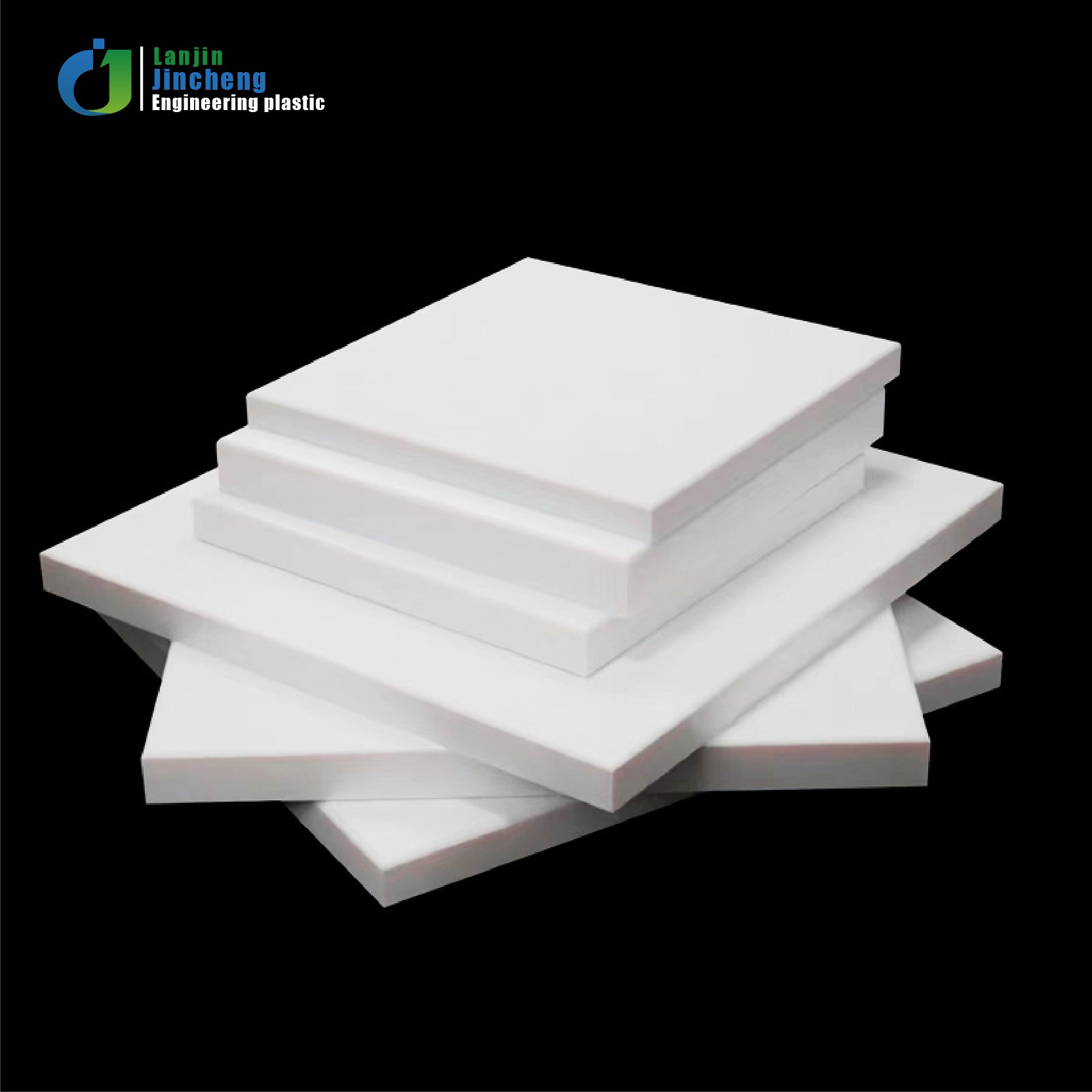
PTFE Sheet
Color White
Length × Width Customizable
Thickness Generally 0.5-120mm
Common Thickness 5, 6, 8, 10, 12, 15, 20, 25, 30, 35, 40, 50, 60, 70, 80, 90, 100mm; other thicknesses available on request
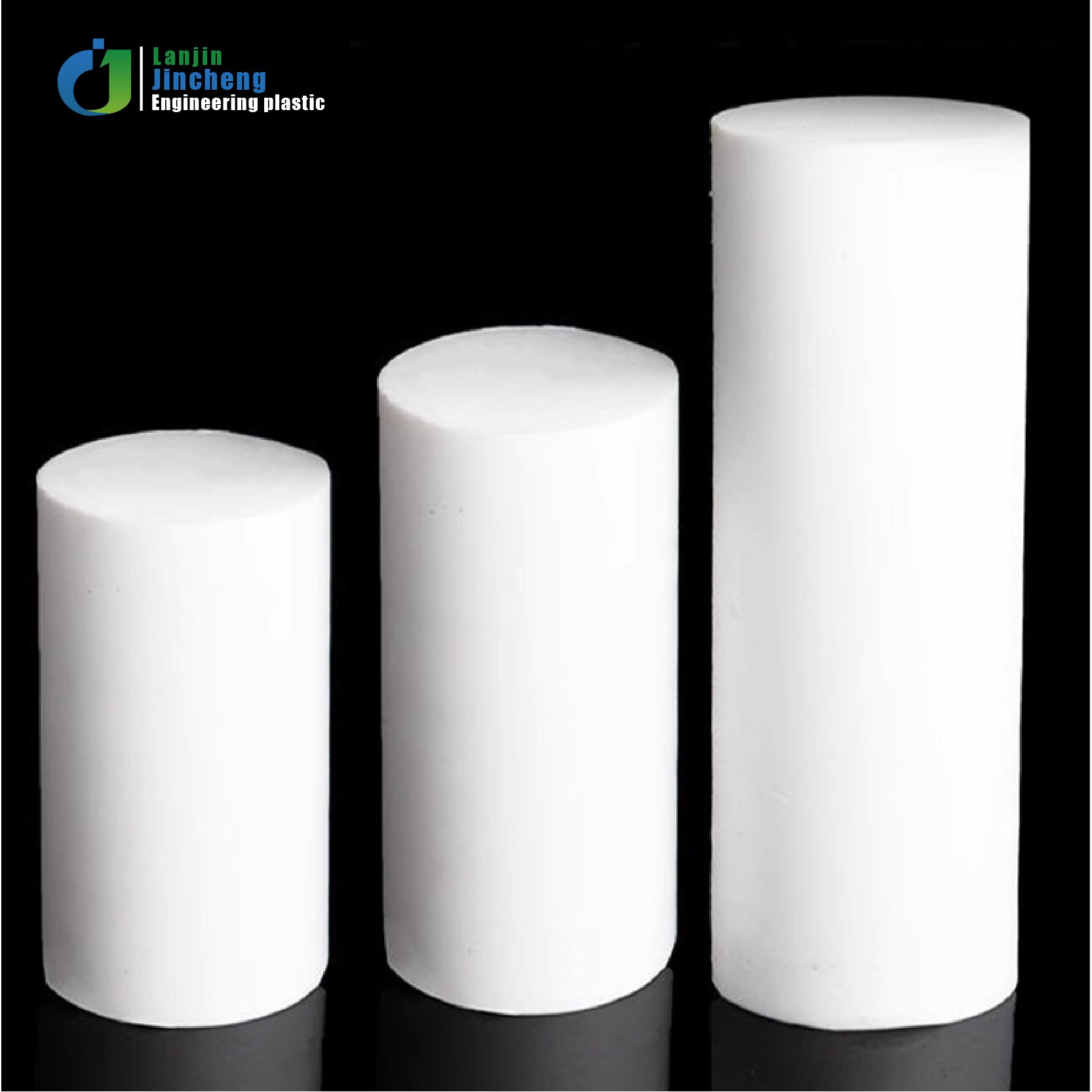
PTFE Rod
Diameter 6-200mm. Common sizes include (5, 6, 8, 10, 12, 14, 15, 18, 20, 22, 25, 28, 30, 35, 40, 45, 50, 55, 60, 65, 70, 75, 80, 90, 100, 110, 120, 130, 140, 150, 160, 170, 180, 190, 200, 230, 250); special sizes available on request
Length Generally 1000mm; other lengths available on request
Color White


Material Properties

PTFE Technical Parameters
Item Unit Value
Density g/cm3 2.1-2.3
Flexural Strength MPa 11-14
Tensile Strength MPa 21-28
Friction Coefficient / 0.04
Water Absorption % <0.03
Dielectric Strength KV/mm 10
Service Temperature ℃ -180~260
Melting Temperature ℃ 325

Superior chemical corrosion resistance Stable over a wide temperature range Ultra-low coefficient of friction + self-lubrication Excellent electrical insulation properties
Resistant to almost all strong acids, strong alkalis, strong oxidants and organic solvents (including aqua regia and hydrofluoric acid); only molten alkali metals and elemental fluorine at high temperature can corrode it. The first choice for chemical anti-corrosion. Continuous service temperature -200℃ to +260℃; melting point 327℃. Long-term use above 260℃ accelerates aging and decomposition; no brittleness at low temperature, suitable for cryogenic conditions. The lowest friction coefficient among solid materials (0.05-0.1), self-lubricating without grease; extremely low surface energy, barely sticks to any material, ideal for food release and sliding parts. Stable dielectric constant, unaffected by frequency, temperature or humidity; commonly used for high-frequency and high-voltage insulation parts.
Extremely low water absorption, aging resistance, and flame retardancy. Physiologically Inert Low Mechanical Strength & Susceptible to Creep High Thermal Expansion Coefficient
Water absorption <0.01%, hardly absorbs water; resistant to UV and ozone, long outdoor service life without aging; UL94 V-0 flame retardant rating with very high limiting oxygen index, difficult to ignite. Pure PTFE is non-toxic and odorless, safe for contact with food and pharmaceutical fluids, meeting food/pharmaceutical equipment requirements. Relatively low mechanical strength and prone to creep; slowly deforms permanently under sustained pressure and cannot bear high loads. Very large coefficient of thermal expansion; dimensions change noticeably with temperature, so expansion gaps must be reserved during assembly.

Application

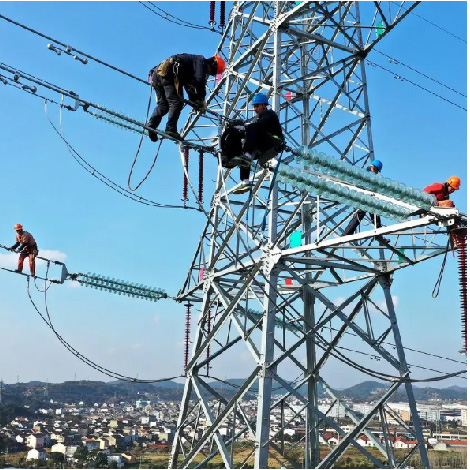
Electrical Industry
Electrical Industry
Used as insulating layer for power and signal wires, corrosion-resistant and wear-resistant material; can make films, tubes, sheets, rods, bearings, gaskets, valves, chemical pipes, pipe fittings and equipment vessel linings.
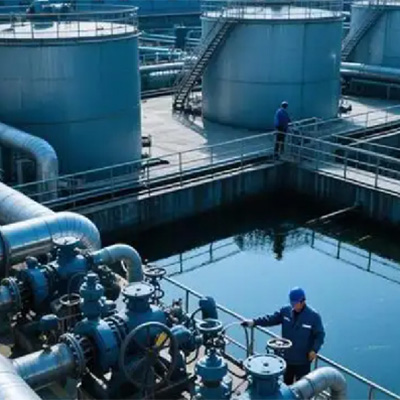
Chemical Industry
Chemical Industry
Used to manufacture pipes, seals and equipment, protecting against acid, alkali and other chemical erosion; also used as diaphragm in reactors or stirrer linings to protect internal parts from wear.
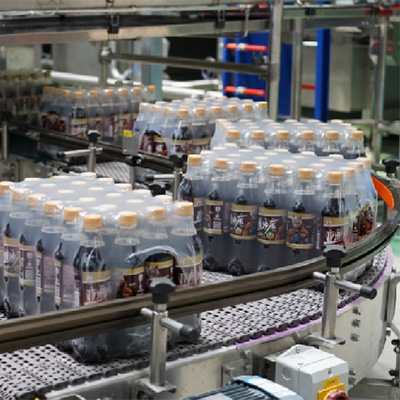
Food Industry
Food Industry
Non-toxic, highly insulating and non-stick, meeting food-grade requirements; used for food equipment parts such as easy-to-clean inner layers of water pipes.
Medical & Research
Medical & Research
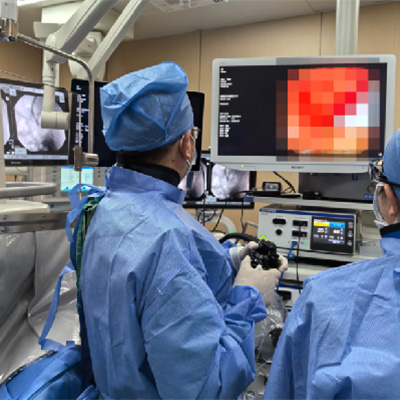
Used as containers for ultrapure chemical analysis and storage of various acids, alkalis and organic solvents.
Oil & Gas Industry
Oil & Gas Industry
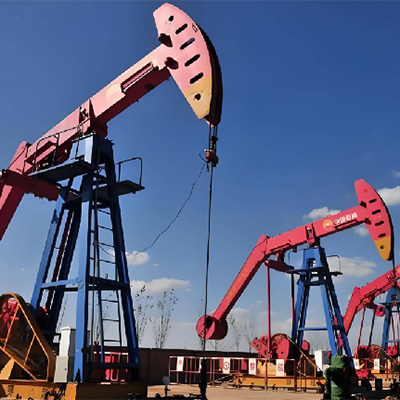
Used for leakage prevention and reducing mud loss in oil well drilling, and as films for lubrication materials.

Factory

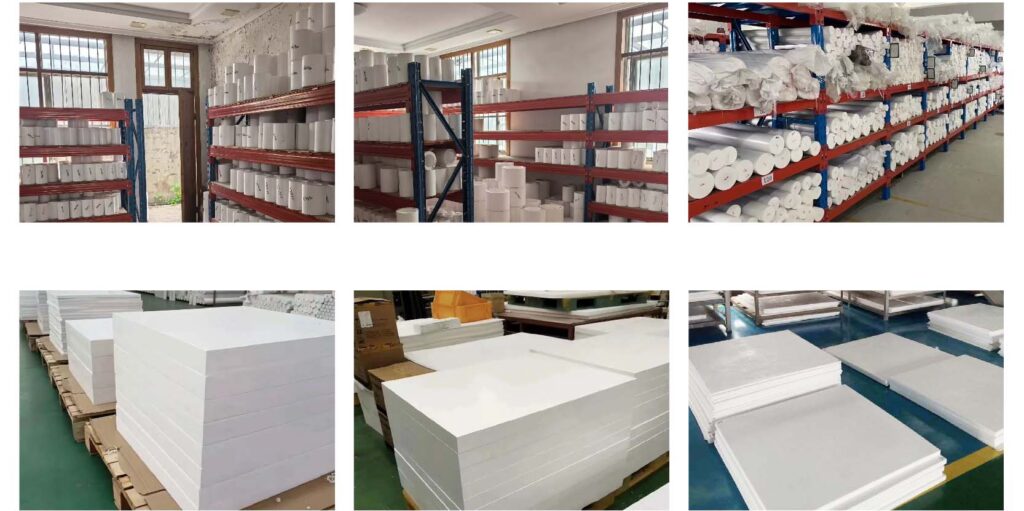
Factory covers an area of ​​20,000 square meters, is equipped with 150 production units, and has an annual output exceeding 10,000 tons, enabling end-to-end production ranging from engineering plastic raw materials to finished machined parts.

Shipping&Package

FAQ

Q1: What is PTFE?

A: PTFE (Polytetrafluoroethylene) is a high-performance fluoropolymer featuring excellent chemical inertness, wide temperature resistance, low friction coefficient and non-stick characteristics, widely used in sealing, chemical, electrical and mechanical fields.

Q2: What is the working temperature range of PTFE?

A: Continuous operating temperature ranges from -200℃ to +260℃. Short-term peak temperature can reach 300℃. Long-term service above 260℃ is not recommended.

Q3: Can you customize PTFE products?

A: Yes. We offer cutting, turning, molding and skiving processing. Both virgin PTFE and filled PTFE (glass fiber, carbon, graphite, bronze, MoS2 filled) are available. We produce parts according to your drawings or samples.

Q4: What certifications can you provide?

A: We can supply COA, RoHS and FDA certificate for food-grade PTFE. Extra certificates can be applied upon request.

Q5: What is your MOQ and lead time?

A: Stock items support low MOQ. Custom parts MOQ depends on specifications. Stock goods take 3~7 days; custom products take 7~20 days based on quantity and complexity.

Q6: What payment and shipping options do you have?

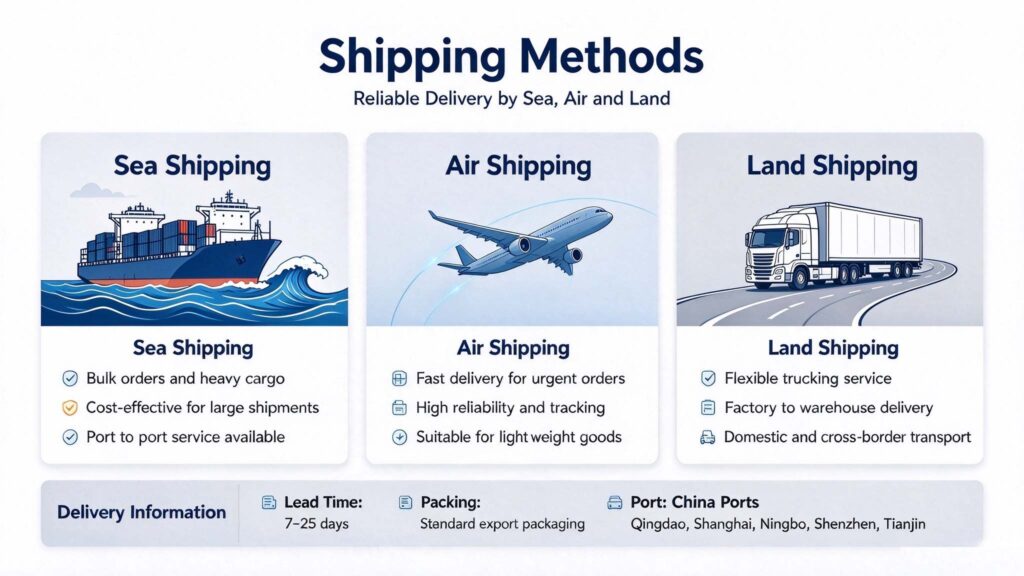
A: Payment: T/T, 30% deposit before production, balance before shipment. Shipping: sea freight, air freight, DHL/FedEx/UPS express, DDP service available.

Q7: What are typical applications of PTFE?

A: PTFE is commonly used for gaskets, valve seats, pump seals, electrical insulation components, bearing pads, food processing equipment and chemical pipeline linings.