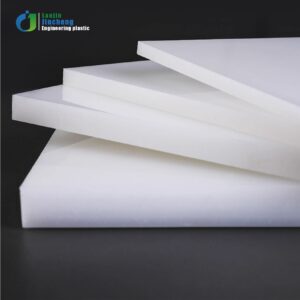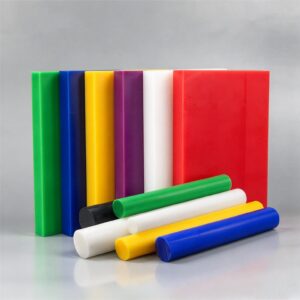
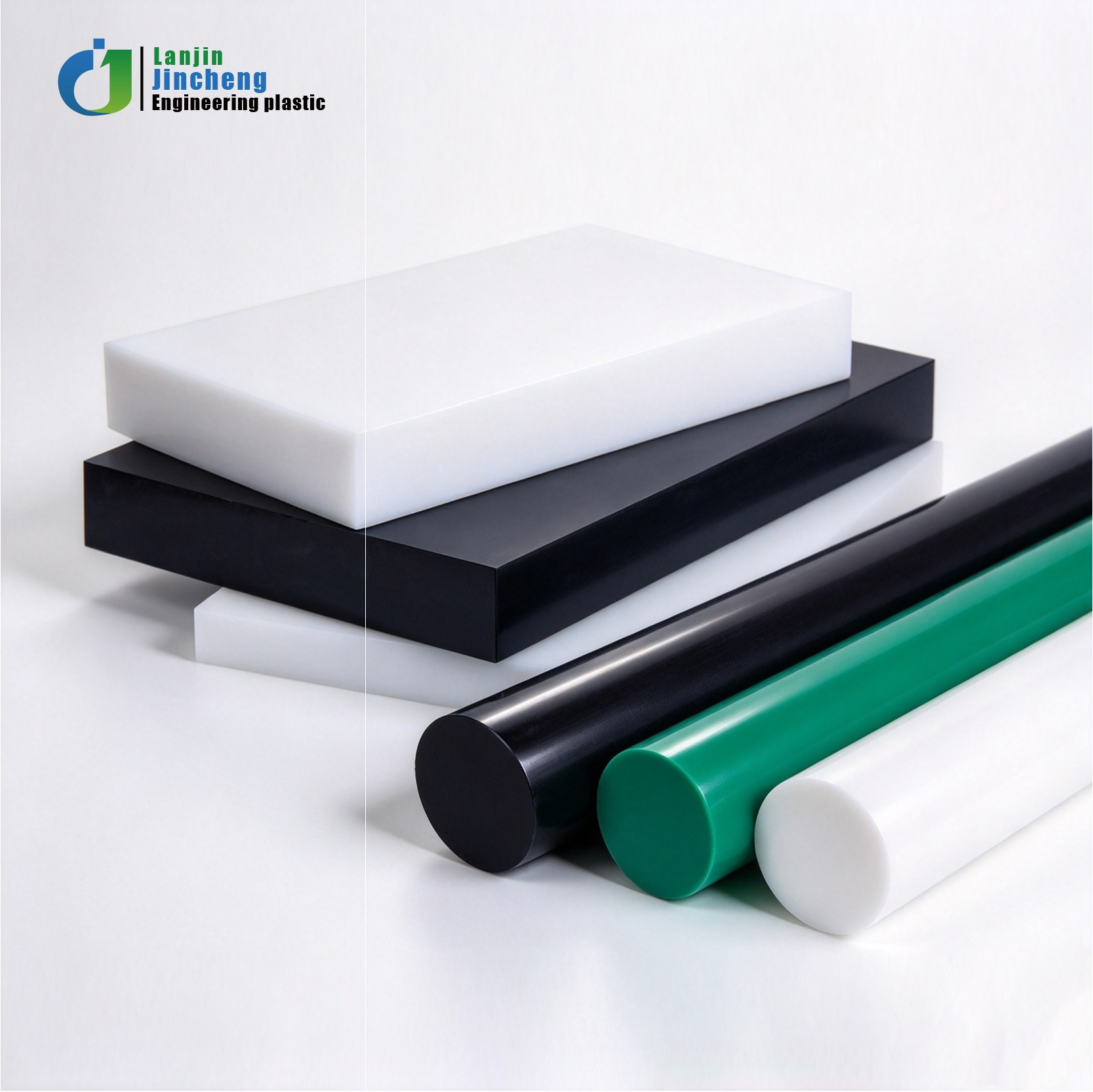
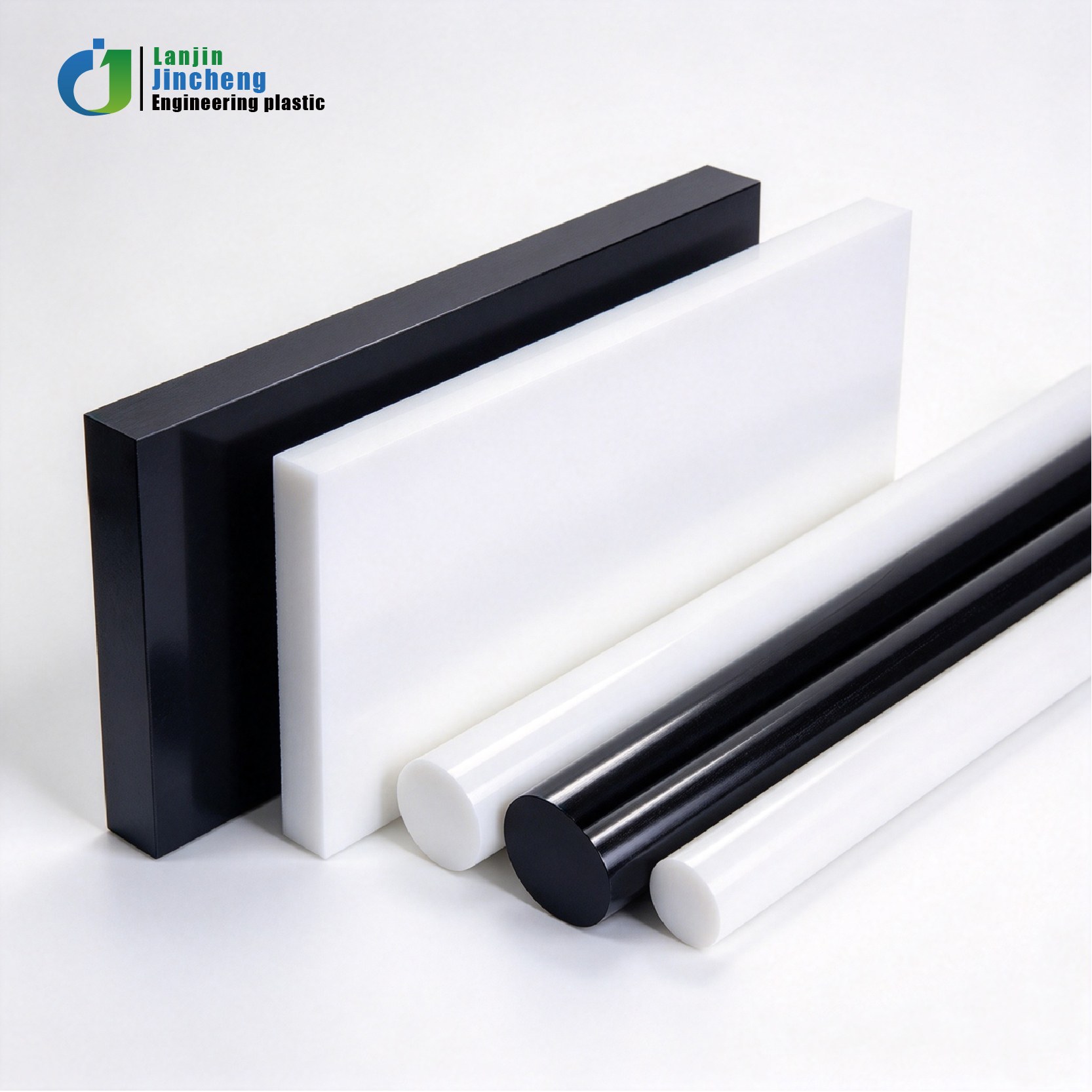
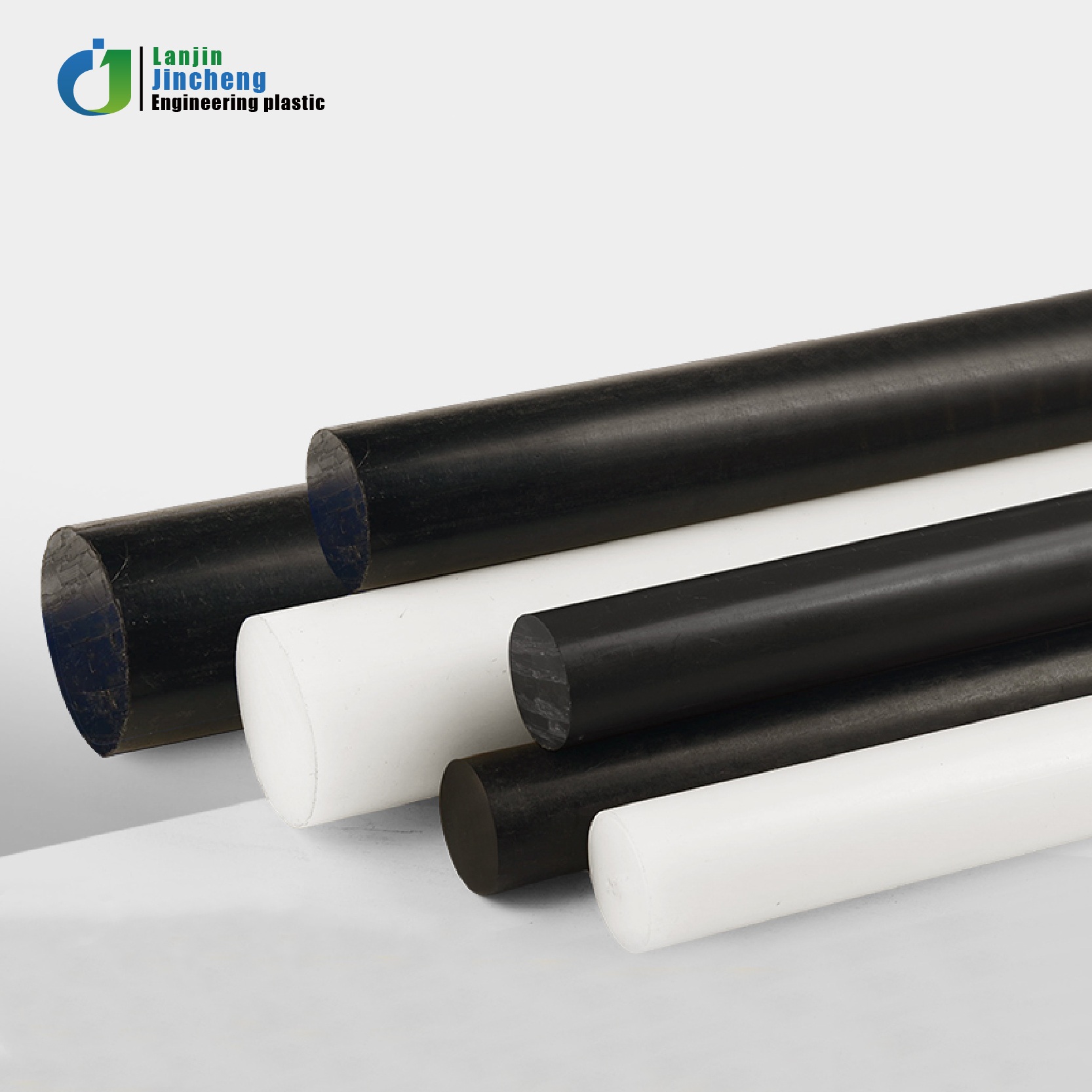
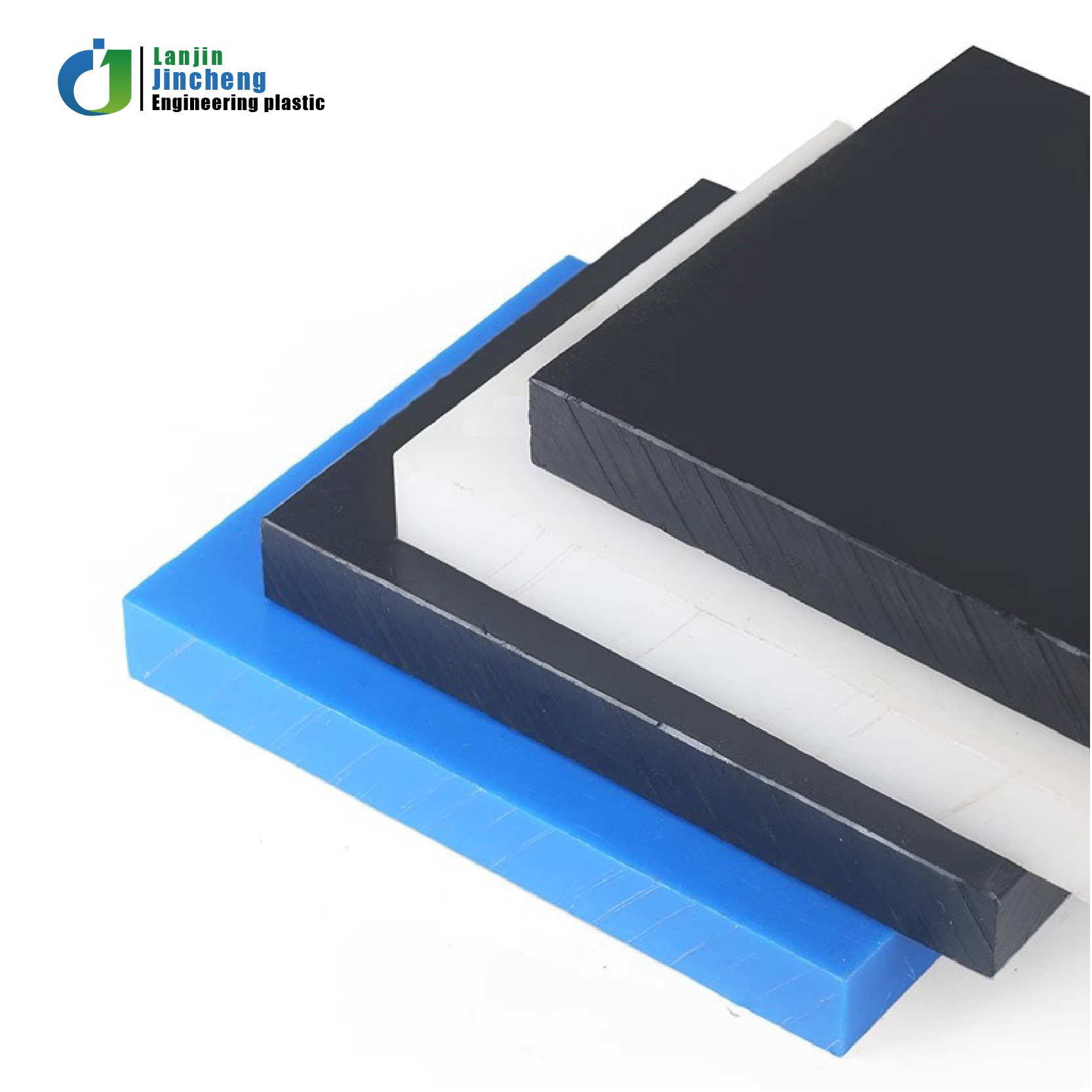
POM sheet and rod

POM (Polyoxymethylene), also called acetal or saigang, is a high-performance engineering thermoplastic. It can be extruded into plates and rods for machining custom mechanical parts.

POM Plate Thickness 5–100mm (common: 5, 6, 8, 10, 12, 15, 20, 25, 30, 35, 40, 45, 50, 55, 60, 65, 70, 75, 80, 85, 90, 95, 100mm)
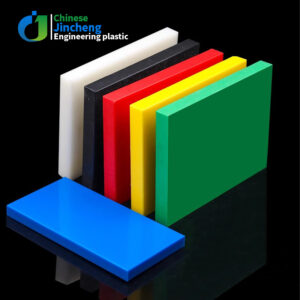
POM Plate Colour White, Black (Blue, Green, Red, Yellow)
POM Plate Sheet size Max width 2000mm, length customizable; common sizes 1000×2000, 1220×2440
POM Rod Size Diameter 12–300mm, length 1000mm
POM Rod Colour Black, White (Blue, Red, Green, Yellow)

Description

POM, short for Polyoxymethylene, is an engineering thermoplastic also known as acetal or “POM-C”. It is made by extruding or molding POM resin pellets into plates, rods and finished parts.

It offers high mechanical strength, high rigidity and hardness, plus excellent wear resistance and self-lubrication. POM shows low moisture absorption, good dimensional stability and low creep, making it ideal for precision parts such as gears, bearings, sliders and cams. It is physiologically inert and food-grade grades are available for direct food contact.

Its main limitation is low impact strength and weak acid/weather resistance. It is widely used in machinery, automotive, electronics and food packaging.

Specifications (POM Plate / POM Rod)
Category Item Content
Name POM (Copolymer Acetal), commonly known as POM plate/bar. Processed from POM resin pellets through an extruder.
POM Plate Thickness 5–100mm (common: 5, 6, 8, 10, 12, 15, 20, 25, 30, 35, 40, 45, 50, 55, 60, 65, 70, 75, 80, 85, 90, 95, 100mm)
POM Plate Colour White, Black (Blue, Green, Red, Yellow)
POM Plate Sheet size Max width 2000mm, length customizable; common sizes 1000×2000, 1220×2440
POM Rod Size Diameter 12–300mm, length 1000mm
POM Rod Colour Black, White (Blue, Red, Green, Yellow)


Material Properties

Main Properties
(1) High mechanical strength, high rigidity and hardness.
(2) Good sliding property, wear-resistant.
(3) Creep-resistant, excellent dimensional stability.
(4) Physiologically inert, suitable for direct food contact.
(5) Low impact strength; poor acid resistance and weatherability.

(6) Easy to machine, high surface finish.

Property Table
Category Item Unit Test Method (ISO) POM
Mechanical Tensile strength MPa 527 57
Flexural strength MPa 178 76
Flexural stress MPa 527 68/-
Tensile strain at break % 527 35
Tensile modulus MPa 527 3100
Compressive stress at 1%/2% nominal strain MPa 604 19/35
Charpy notched impact test kJ/m² 179/1eU 7
Rockwell hardness — — M78
Physical Density g/cm³ 1183 1.41
Water absorption (23℃, 24h immersion) % 62 0.24
Coefficient of linear thermal expansion (avg 23–100℃) m/(m·K) — 110×10⁻⁵
Flammability (UL94) — 4589 HB
Thermal Melting point ℃ — 165
Max service temp. (continuous) ℃ — 105
Max service temp. (short-term) ℃ — 140
Electrical Dielectric strength kV/mm 60243 20
Volume resistivity Ω×cm 60093 10¹⁴
Surface resistivity Ω 60093 10¹³
Relative permittivity (100Hz/1MHz) — 60250 3.8/3.8
Chemical Acid resistance — — −
Alkali resistance — — +
Resistance to carbonate-containing water — — +
Resistance to aromatic compounds — — +
Ketone resistance — — +
Others Bonding / adhesion — — +
Coefficient of friction — — 0.32
Food contact — — +
Notes: 1. The data listed are reference values and may vary with processing method and specimen; they cannot be directly applied to finished parts. Suitability for a specific application should be verified by the processor and the user. 2. Technical parameters are for planning reference only and do not represent a performance commitment. 3. “+” = resistant, “−” = not resistant, “0” = case-dependent.


Application

Applications
Field Description
1. Mechanical Manufacturing Transmission and structural parts: gears, racks, bearings, sliders, cams, etc. Its high wear resistance and self-lubrication reduce mechanical friction loss and extend equipment service life.
2. Automotive Industry Automotive parts: door handles, seat belt buckles, wiper components, gears and washers inside gearboxes. They withstand certain impact and friction and offer good oil resistance.
3. Electronics & Electrical Insulating and structural parts: housings or internal components of switches and sockets, using its insulating property and certain heat resistance (short-term above 100℃).
4. Daily Use & Light Industry Household items: zipper heads, faucet handles, combs, knife handles, etc. Smooth surface, dimensionally stable and comfortable to the touch. Toy parts: building blocks, model connectors, gear sets — safe and non-toxic (food-grade POM plate) and durable.
5. Medical & Food (requires food-grade / medical-grade POM) Medical device parts: valves of infusion sets, plungers of syringes, transmission parts of medical devices — must meet disinfection (e.g., alcohol, steam) and biocompatibility requirements. Food machinery parts: guide rails of food conveyors, gears of packaging machines — food-contact safe and less prone to bacterial growth.


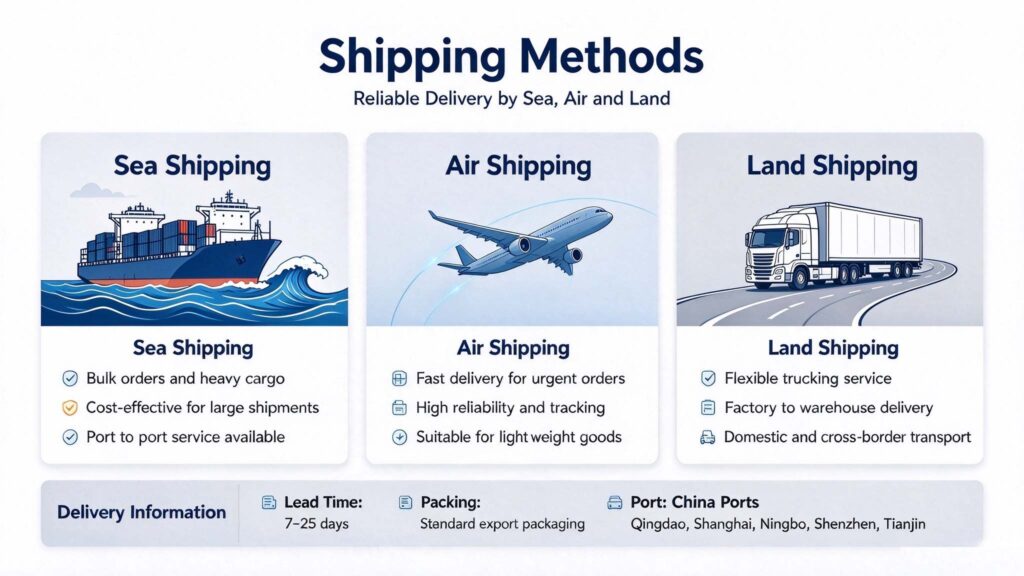
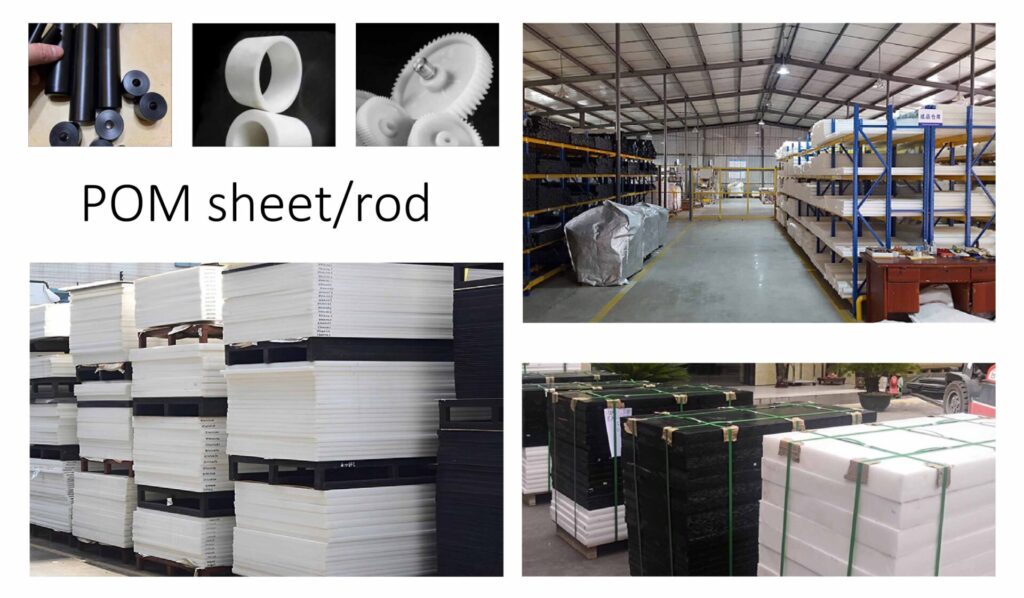
Shipping&Package

Factory

Factory covers an area of ​​20,000 square meters, is equipped with 150 production units, and has an annual output exceeding 10,000 tons, enabling end-to-end production ranging from engineering plastic raw materials to finished machined parts.

FAQ

Q1: What is POM?
A1: POM (Polyoxymethylene), also called acetal or saigang, is a high-performance engineering thermoplastic. It can be extruded into plates and rods for machining custom mechanical parts.
Q2: What are your available POM specifications?
A2: We supply POM plates and POM rods. POM plate thickness ranges from 5–100 mm, customizable width and length, available in white, black, blue, green, red, yellow. POM rod diameter:12–300 mm, length 1000 mm, multiple colors optional.
Q3: What are the main properties of POM?
A3: It features high mechanical strength, rigidity, hardness, good sliding property & wear resistance, low creep and excellent dimensional stability. It is physiologically inert for food contact. Its weaknesses are low impact strength and poor resistance to acid and weathering.
Q4: What industries can POM be applied to?
A4: Widely used in machinery, automotive, electronics, daily goods, food and medical equipment. It is ideal for gears, bearings, sliders, cams, auto parts and food-grade conveyor components.
Q5: Can we get food-grade POM?
A5: Yes, food-grade POM is available, which is non-toxic, physiologically inert and suitable for direct food contact.
Q6: Can you customize POM sizes or machined parts?
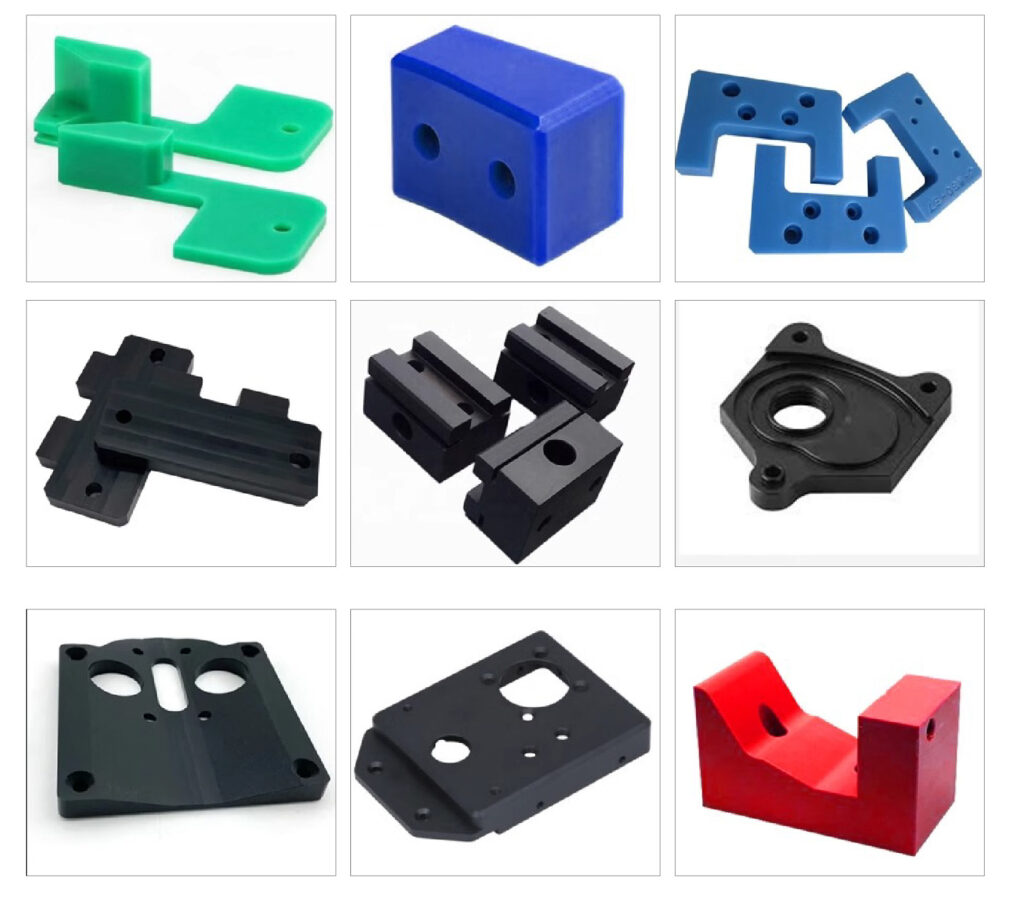
A6: Yes. Custom dimensions and CNC machined parts are acceptable based on customer drawings.
Q7: What colors of POM do you have?
A7: Standard colors: white and black. Blue, green, red and yellow are optional.
Q8: Can we get samples?
A8: Yes, samples are available. The sample cost and freight shall be borne by buyers.
Q9: What is your lead time?
A9: 7–15 working days for standard items; delivery time for custom products needs confirmation.
Q10: What payment terms do you accept?
A10: T/T (30% deposit, balance before shipment) is our main payment term.