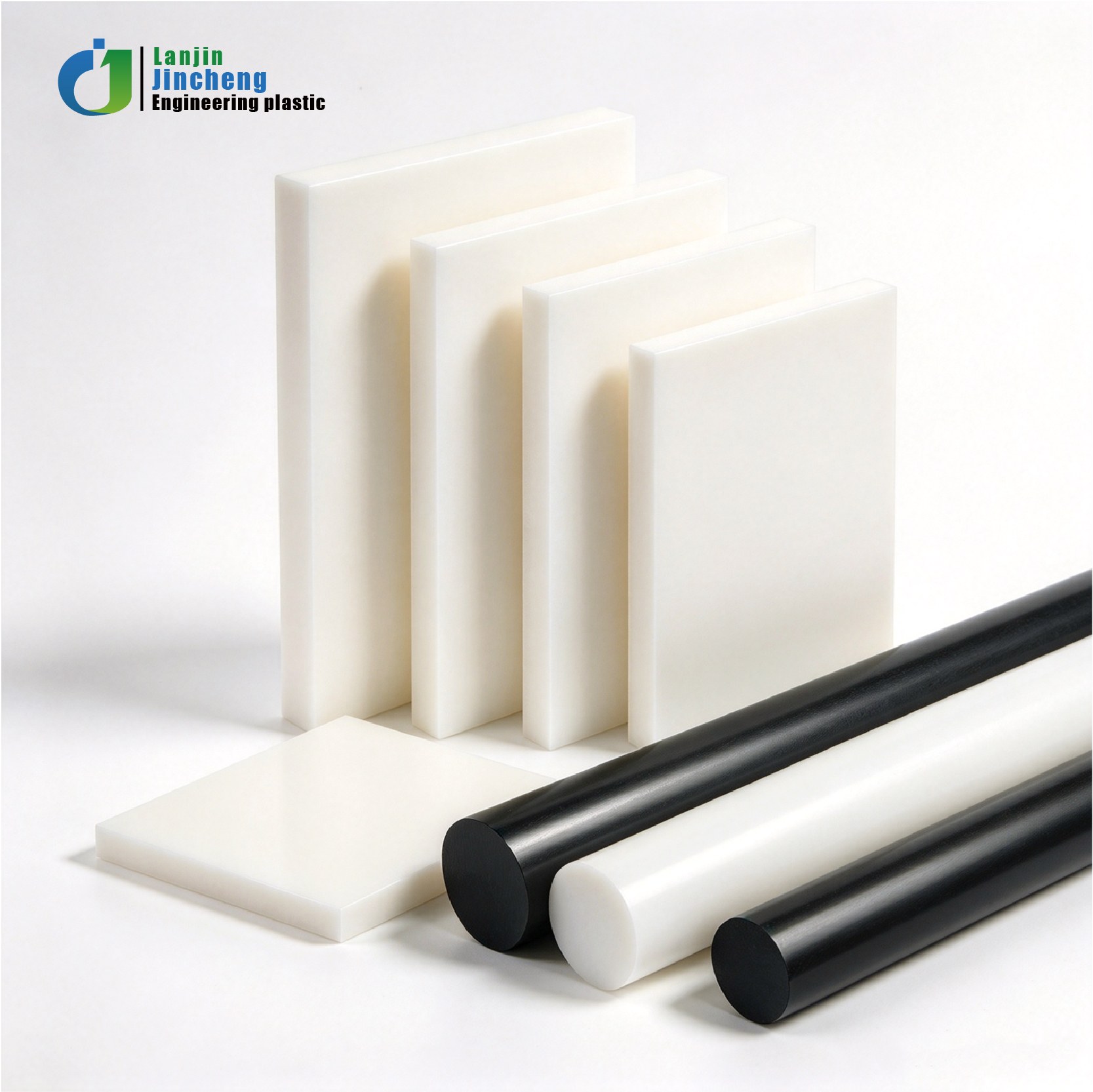
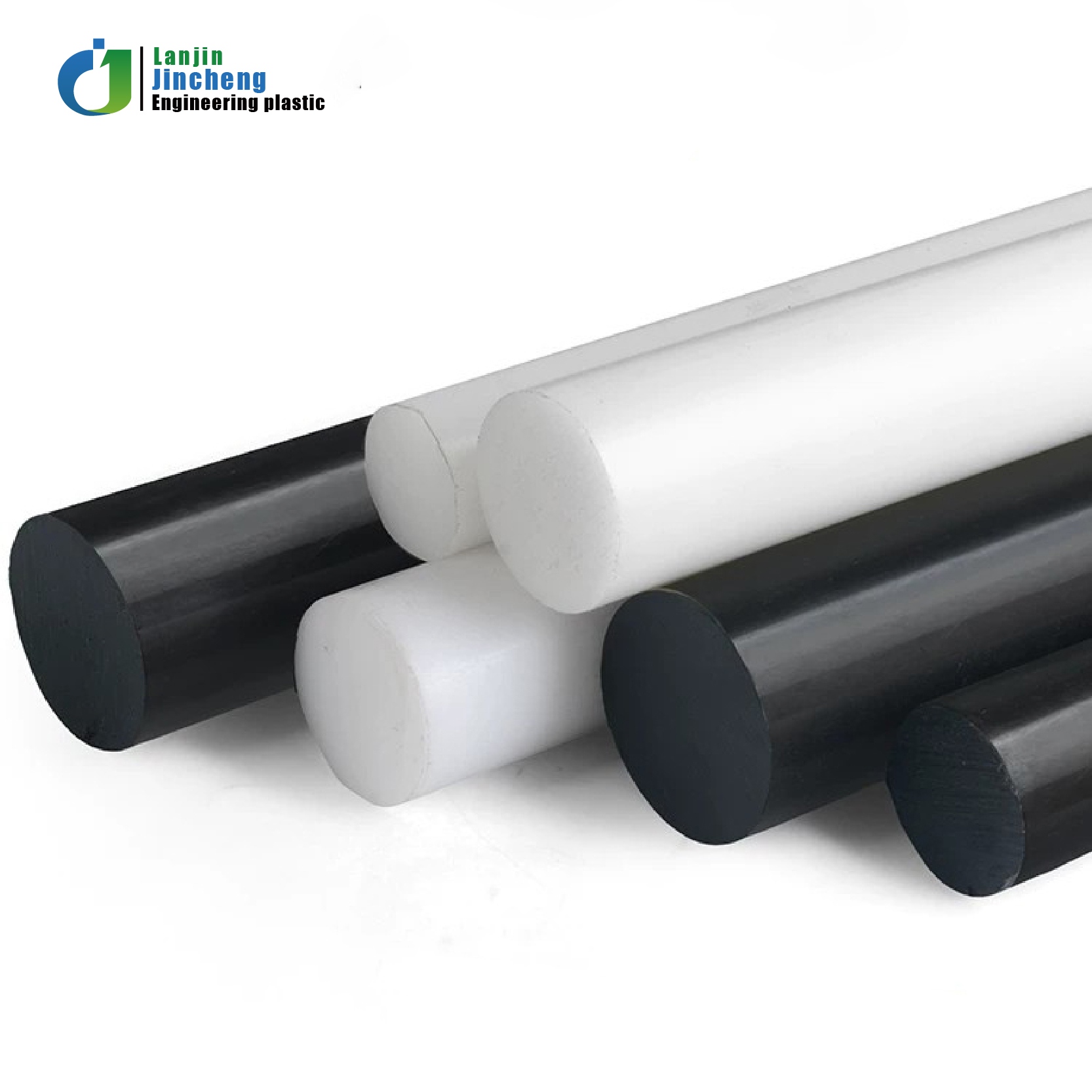
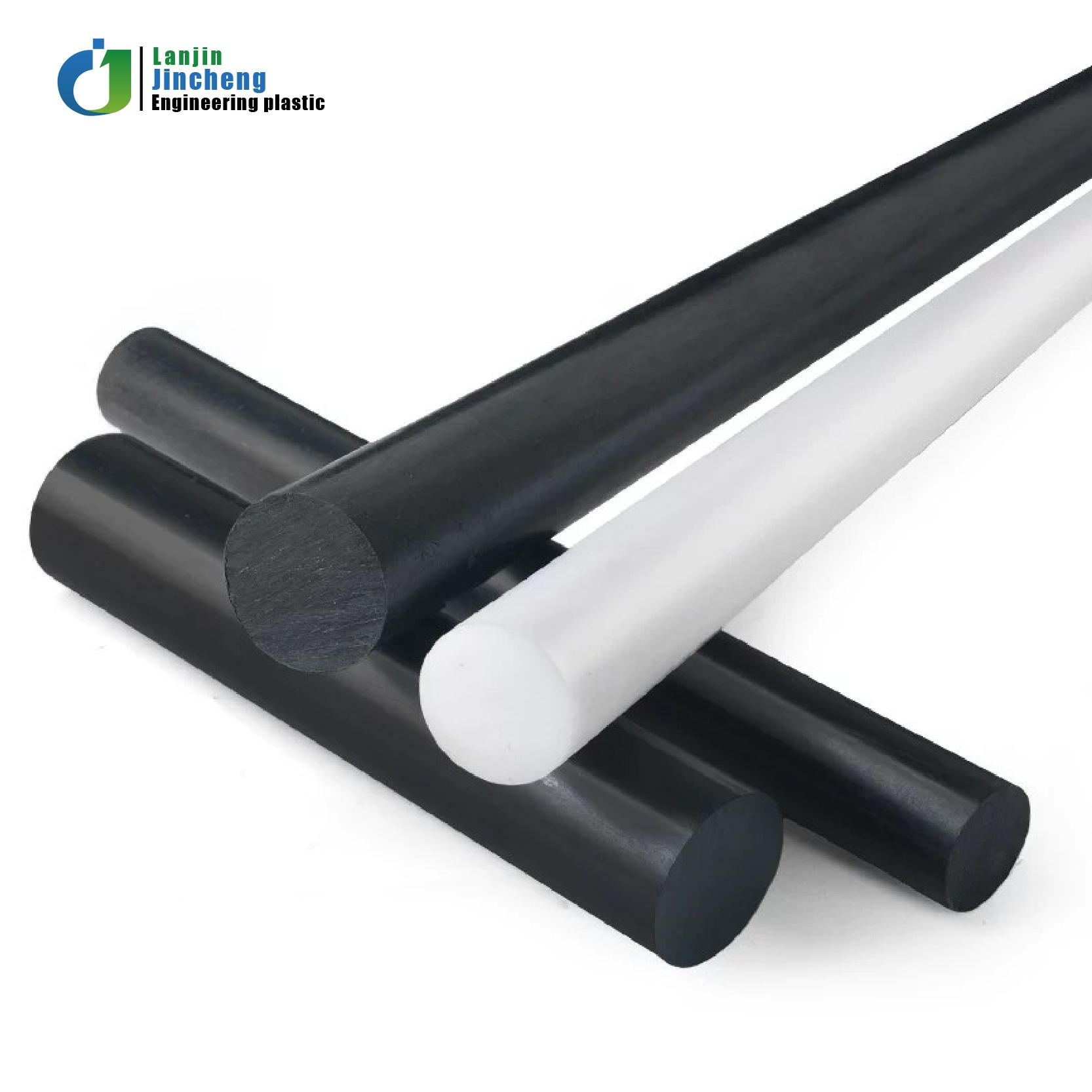
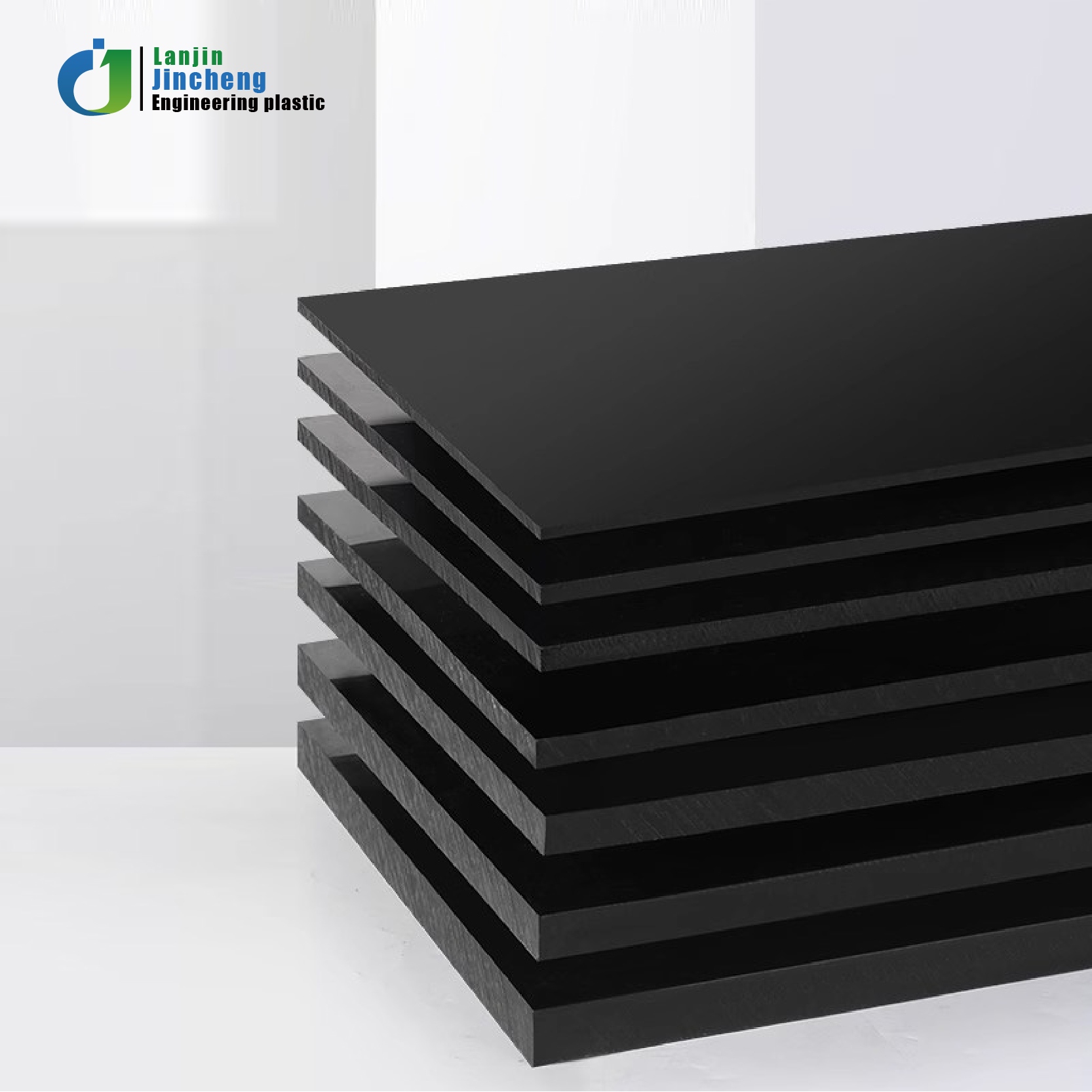
Nylon sheet/rod

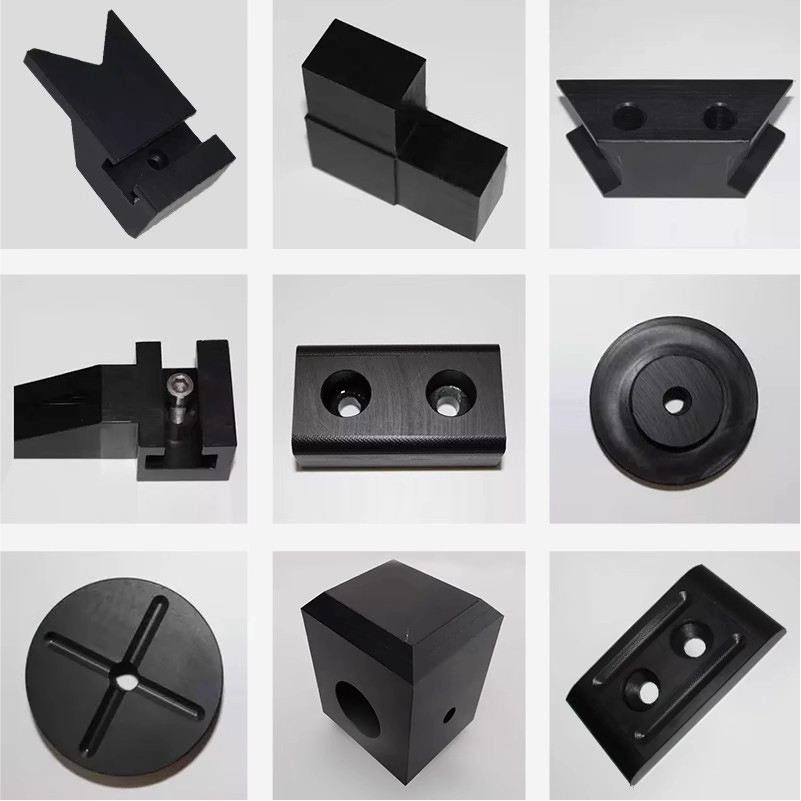
Nylon is a strong, tough, wear-resistant synthetic polymer that is lightweight and self-lubricating, resists oil and weak chemicals, and can be molded or machined. It is widely used for gears, bearings, bushings, pulleys, wear plates, and sliding parts across machinery, automotive, textile, and other industrial fields.

Description

Nylon is lightweight yet strong, tough, and wear-resistant, with a low friction coefficient and good self-lubricating properties. Nylon resists oil, fuels, and weak chemicals, and provides good electrical insulation when dry.It can be injection-molded, extruded, or machined, making it highly versatile. Common applications include gears, bearings, bushings, pulleys, wear plates, and sliding parts across machinery, automotive, textile, and many other industrial fields.

Nylon Product Specifications
Product Nylon sheet and rod

Colors

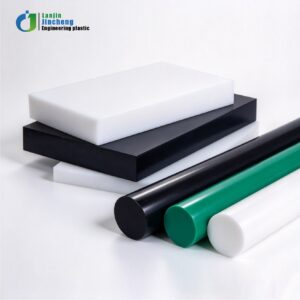
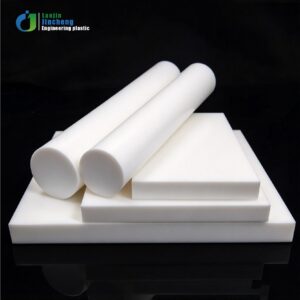
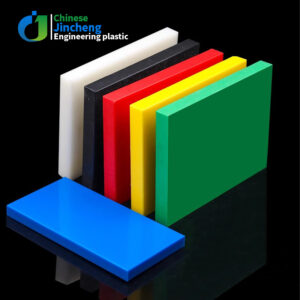
Black, White, Nylon natural, Yellow, Red, Blue, Green
Plate thickness 6-200mm; special requirements can be customized
Common sheet thicknesses 6, 8, 10, 15, 20, 25, 30, 35, 40, 50, 60, 70, 80, 90, 100, 120 mm
Whole plate sizes 1000×2000, 1220×2440
Rod diameter 10-300mm; special requirements can be customized
Common rod diameters 15, 20, 25, 30, 35, 40, 45, 50, 55, 60, 65, 70, 75, 80, 85, 90, 100, 110, 120, 130, 140, 150, 160, 170, 180, 190, 200, 220, 230, 250, 280, 300
Rod length 1000mm
Process note Nylon plates and rods are available in cast and extruded processes. Please choose appropriately according to your requirements.

Material Properties

Cast Nylon vs Extruded Nylon
 Item Cast Nylon (MC) Extruded Nylon (PA6)
Molding principle Caprolactam monomer + catalyst undergo anionic ring-opening polymerization in the mold; the monomer polymerizes directly into a high polymer, molded at low temperature and low pressure. Nylon plastic pellets are heated and melted, pushed by a screw through the die head, and continuously drawn into rods/plates/pipes; the melt cools and solidifies.
Internal stress Extremely low; thick blanks are not prone to deformation or warping after machining, suitable for deep CNC machining. Large residual stress; deep cutting and thin parts tend to release stress and bend/warp, generally requiring annealing.
Molecular weight & properties Higher molecular weight; high hardness, wear resistance, good compressive strength, and low friction coefficient; natural color is beige/yellowish; water absorption slightly lower than extruded nylon. Lower molecular weight; better toughness and impact resistance; natural color is white; high dimensional precision and smooth surface for small-to-medium sizes.
 Available sizes Advantage: large-diameter rods, thick plates, and large blanks; rods can reach φ50–500mm or larger; first choice for thick blocks, large pulleys, and large bushings. Limited by the extruder; rods generally φ5–100mm, thin plates and slender profiles; cannot make ultra-large cross-section blanks.
Cost Higher raw-material and process costs, higher unit price; suitable for small batches and single-piece customization. Continuous mass production, cheap unit price, ample stock of standard rod/plate products; first choice for large volumes.
Machining characteristics Suitable for heavy-load, large-size machined parts; dimensionally stable after cutting. Small/medium parts and slender bar stock processed by auto-feed CNC; thin-wall parts are prone to deformation during machining.
Typical applications Heavy-duty gears, large pulleys, mining-machine liners, heavy-duty bushings, can/bottle turners, large wear-resistant slides, large-diameter wear-resistant pipes. Small/medium wear-resistant slides, rail guards, ordinary bushings, small wear parts for food machinery, and standard long strip profiles.
Characteristics of Nylon Material
Characteristic Description
Excellent mechanical properties, strong & impact-resistant High tensile strength, good toughness, fatigue resistance; not prone to fracture under repeated loading; suitable for gears, sprockets, bushings and other parts bearing cyclic loads. Glass-fiber reinforcement greatly improves strength, approaching some aluminum alloys.
Good wear resistance, self-lubricating Low friction coefficient (0.1–0.3), can slide without oil in the dry state, reduces vibration and noise; suitable for slides, liners, turners and other sliding parts. Adding graphite/MoS2 further reduces friction and wear.
Oil & weak chemical resistant Resists engine oil, lubricating oil, fuel, grease, dilute alkalis and salt solutions; does not rust; suitable for hydraulic and fuel system parts.
Good electrical insulation Good insulation in the dry state; commonly used for connectors and insulating spacers; insulation degrades after water absorption.
High water absorption Absorbs moisture from the air: toughness increases after water absorption, but rigidity and strength decrease and dimensions swell.
Easy to process & mold Can be injection-molded, extruded, or CNC machined; suitable for mass production of complex structural parts.


Application

General machinery & automation
Transmission parts: gears, worm wheels, sprockets, pulleys, cams; Sliding wear parts: bushings, bearing liners, bearing shells, slides, guide bars, wear plates, stops, chain guides; Tooling
& fixtures: locating blocks, jig pads, buffer/bumper blocks, shims.
Conveying, packaging & food machinery
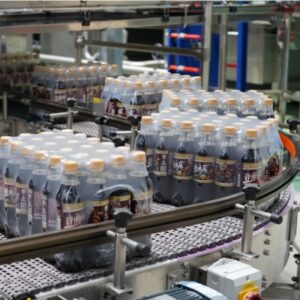
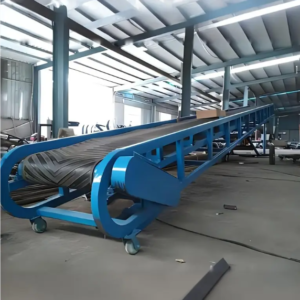
Conveyor lines: conveyor support strips, chain-plate slides, guide rails, roller bushings, elevator hopper liners; Packaging equipment: bottle/can turners, bottle pushers, pads, sprockets.
Mining, metallurgy & engineering machinery
Mining machinery: wear liners, chute liners, travel slides, bucket-lug bushings; Metallurgy: rolling-mill bearing retainers, guide slide plates, buffer pads; Construction
& agricultural machinery: excavator, loader and harvester bushings, wear slides, pin bushings — replaces bronze, reduces weight and improves impact resistance.
Automotive & new energy
Chassis bushings, pins, oil-pump gears, cooling valve parts, engine peripheral wear parts; New energy vehicles: lightweight structural pads, pipe brackets, insulating wear bushings, resistant to oil and coolant corrosion.
Textile, papermaking & printing machinery
Textile: yarn guides, tension discs, shuttles, heald-frame wear blocks (low friction, do not scratch yarn); Papermaking
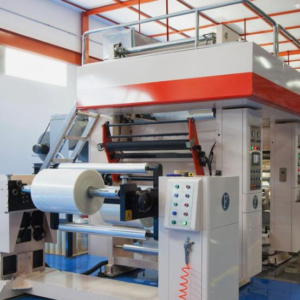
& printing: rubber-roller bushings, doctor-blade pads, paper-guide wheels, wear slide bars.
Chemical, environmental protection & water treatment
Pumps
& valves: pump impellers, valve seats, sealing slides, pipe support pads, resistant to weak acids/alkalis and oil; Wastewater treatment: gate slides, scraper bushings, anti-corrosion wear plates.
Shipbuilding, water conservancy & ports
Shipbuilding: stern-tube bushings, rudder-shaft bushings, pulleys, wear and noise reduction in seawater environments; Water conservancy: gate slides, turbine wear parts, dock fender slides, vibration damping and impact resistance.
Electrical & electronics
Insulating pads, terminal support blocks, insulating slides — insulating properties, suitable for structural parts in low-voltage equipment.

Shipping&Package

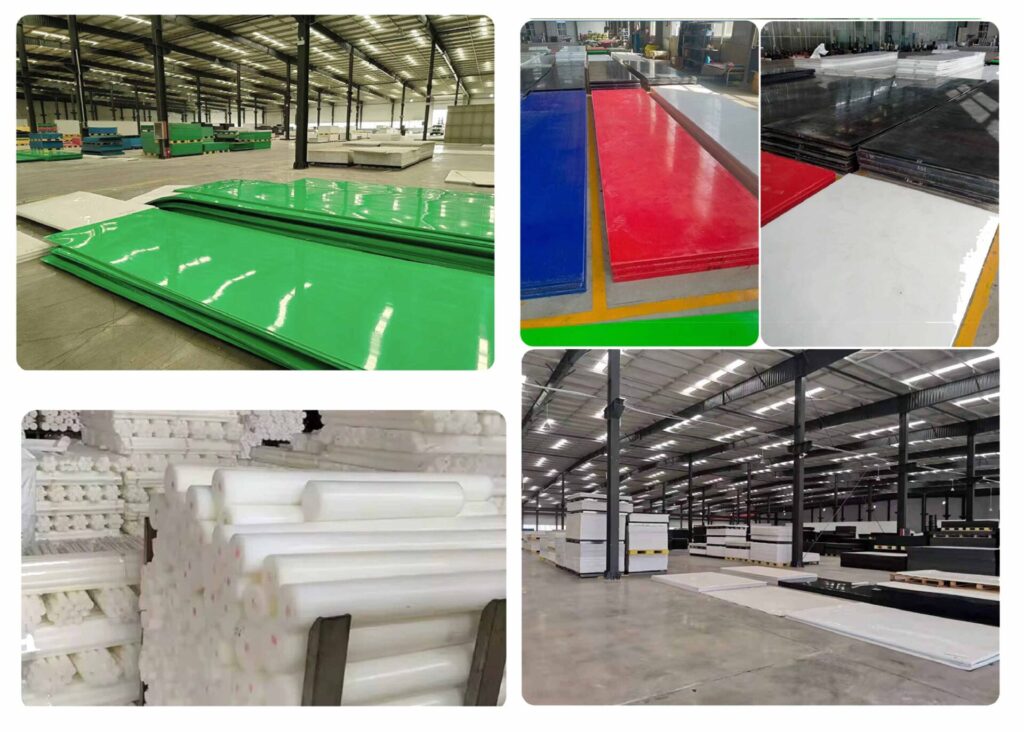
Factory

Factory covers an area of ​​20,000 square meters, is equipped with 150 production units, and has an annual output exceeding 10,000 tons, enabling end-to-end production ranging from engineering plastic raw materials to finished machined parts.

FAQ

Q1. What are nylon rods and plates, and how do I choose between cast and extruded?
Nylon rods and plates are polyamide (nylon 6) engineering-plastic semi-finished products used for machining into parts. Cast nylon (MC) has extremely low internal stress, higher molecular weight, and better hardness/wear/compressive strength — ideal for large, thick, heavy-load parts. Extruded nylon (PA6) offers better toughness and impact resistance, high dimensional precision, and lower price — ideal for standard sizes and small/medium parts. Tell us your application and we’ll recommend the right one.
Q2. What sizes and colors are available?
Plates: 6–200 mm thick (custom available), full-sheet sizes 1000×2000 and 1220×2440 mm. Rods: 10–300 mm diameter (custom available), standard length 1000 mm. Colors: black, white, nylon natural, yellow, red, blue, green.
Q3. What are the common applications?
Gears, worm wheels, sprockets, pulleys, bushings, bearing liners, slides, guide bars, wear plates, chain guides, conveyor parts, mining-machine liners, valve parts, and insulating blocks — across machinery, automation, conveying, packaging, food machinery, mining, metallurgy, automotive, new energy, textile, papermaking, chemical, water treatment, shipbuilding, and electronics.
Q4. What key properties should I know?
Self-lubricating (friction coefficient 0.1–0.3, dry-running), oil/weak-chemical resistant and rust-free, good electrical insulation when dry, absorbs moisture (can slightly affect strength and dimensions — condition/dry before precision machining), and generally continuous-use around −40 °C to +80–90 °C.
Q5. Do you support custom sizes and MOQ?
Yes. Custom thickness, diameter, length, and colors are available. MOQ: no minimum for standard stock sizes; for custom sizes, a small MOQ applies and we’ll confirm before you order.
Q6. What are your payment terms?
T/T 30% deposit, balance before shipment (or against BL copy), for new customers; L/C at sight and PayPal/Western Union are available for qualified orders. Flexible terms can be discussed for regular/large-volume buyers.
Q7. What is your packaging, shipping, and lead time?
Packaging: rods are wrapped and bundled, plates packed with protective film and sturdy cartons/pallets to prevent scratches and moisture; export wooden or plywood cases available on request. Shipping: FOB, CIF, CFR, EXW, and DDP accepted by sea, air, or express. Lead time: stock items ship within 3–7 days; custom production generally 7–20 days, depending on quantity and size.
Q8. Can I get samples?
Yes. Small samples of standard sizes are available for evaluation; sample cost may apply (refundable against a formal order). We can also supply test reports and material certificates on request.