
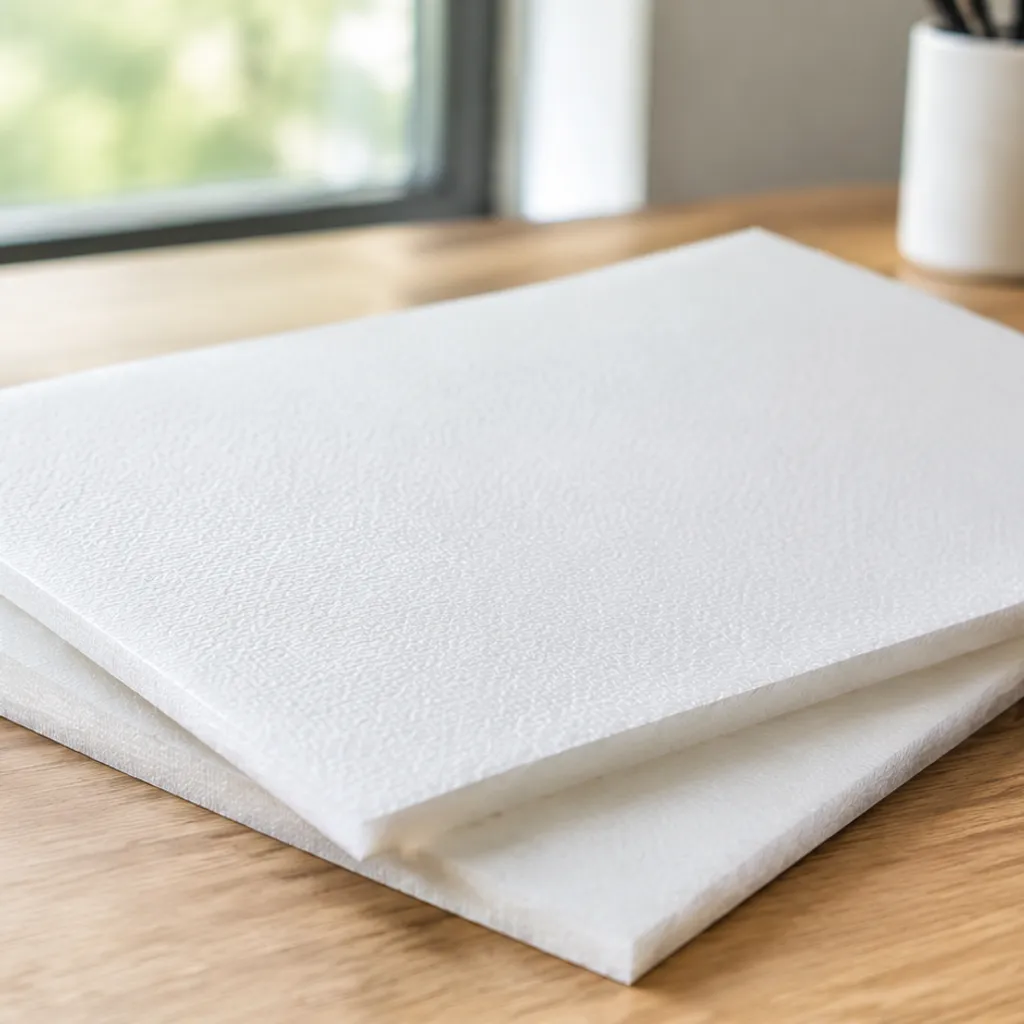
Understanding Textured UHMWPE Sheets
Ultra-high molecular weight polyethylene is renowned across heavy industry for one standout trait: an exceptionally slick, self-lubricating surface with an ultra-low coefficient of friction. However, extreme job sites demand both brutal impact resistance and dependable foot or vehicle traction.
An anti-slip plastic sheet engineered from this polymer resolves that challenge. By combining the wear resistance of heavy-duty polymers with aggressive surface patterning, a UHMWPE textured sheet delivers uncompromising safety and component longevity under punishing operational conditions.
The Engineering Paradox: Adding Grip to Slick Polymers
Transforming a naturally slick polymer into a high-traction wear sheet sounds counterintuitive. UHMWPE typically sheds everything from wet concrete to sticky bulk clay.
To create dependable grip:
Mechanical interlock replaces surface friction: Instead of relying on chemical tack or friction coatings that quickly peel away, we mechanically profile the sheet surface with raised diamonds, cleats, or pebble grain.
Preserved baseline durability: The core polymer keeps its signature wear life, zero moisture absorption, and chemical immunity, while the textured surface bites into boot treads and heavy equipment tires.
Wet and oily performance: Fluids channel away through the embossed relief grooves, preventing hydroplaning and slip-and-fall hazards on industrial catwalks, rig platforms, and field access ways.
Molecular Weight Properties and Extreme Impact Durability
The strength of any non-skid polymer plate begins at the molecular level. Standard polyethylene (like HDPE) features shorter molecular chains, making it vulnerable to cracking under heavy localized shock loads.
In contrast, our textured sheets utilize resins with molecular weights ranging from 3.5 to over 9 million g/mol:
- Unmatched Energy Dissipation: The incredibly long, entangled molecular chains absorb and disperse massive kinetic energy, preventing brittle failure when heavy tracked excavators or dropped steel tools strike the surface.
- Virtually Indestructible: The material exhibits no break under standard Izod impact testing, making it impervious to cracking even in sub-zero working conditions.
- Gouge and Tear Resistance: When steel-cleated equipment pivots directly on the sheet, the long polymer chains resist tear-out, preserving the structural integrity of the raised traction pattern.
Compression Molding vs. Post-Embossing Methods
How the texture is applied directly dictates how long the traction will survive under heavy axle loads. We primarily utilize two manufacturing approaches, each serving different performance tiers.
| Manufacturing Method | Process Mechanism | Pattern Durability | Best Application Fit |
|---|---|---|---|
| Compression Molding | Sintered under immense hydraulic pressure and heat inside a textured steel mold. The pattern forms simultaneously with the sheet consolidation. | Maximum: Monolithic structure. The textured cleats share the exact same molecular density and chain alignment as the sheet core, preventing pattern shearing. | Heavy equipment access mats, crane outrigger pads, and high-load tracked vehicle paths. |
| Post-Embossing (Calendering) | Smooth extruded sheet is reheated and passed through textured mechanical rollers to stamp the pattern onto the surface. | Moderate: Can introduce localized residual stress at the pattern base. Surface profile can wear down quicker under severe abrasive grinding. | Pedestrian walkways, light-duty wall protection, and wash-down facility liners. |
For severe field conditions where heavy machinery turns under high torque, compression-molded sheets prevent lug shear, delivering an embossed polyethylene panel built for years of abusive service.
Key Features of UHMWPE Textured Sheet
When we manufacture a UHMWPE textured sheet: features and uses balance raw toughness with specialized surface grip. Standard ultra-high molecular weight polyethylene is famous for its slick surface, but molding a mechanical profile onto the face transforms this low-friction polymer into an aggressive anti-slip plastic sheet.
Here is what makes this non-skid polymer plate essential across demanding industrial setups:
High Mechanical Traction in Wet Conditions
Smooth UHMW has a dangerously low coefficient of friction when wet. By pressing diamond, haircell, or cleat profiles directly into the surface, we give boots and vehicle tires positive mechanical interlock. The sheet provides dependable traction even when completely coated in rain, engine oil, or heavy site mud.
Extreme Abrasion and Slurry Resistance
Even with an embossed profile, the base resin retains its molecular chain length (3 to 9 million g/mol). It outwears carbon steel in high-abrasion environments and will not chew up under sand slurries, gravel, or tracked plant machinery. Understanding how to manage UHMWPE sheet wear issues starts with using the correct resin grade, and textured UHMW holds its profile under prolonged abrasive grinding.
Sub-Zero Impact Toughness
Most heavy-duty industrial plastics turn brittle when the temperature drops below freezing. UHMWPE delivers true cold-temperature impact resistance down to -200°C (-328°F). It flexes under heavy dynamic shocks instead of shattering, making it an ideal choice for sub-zero mining, polar access routes, and cold-storage docks.
Zero Moisture Absorption and Chemical Defense
With a water absorption rate under 0.01%, these panels never rot, swell, or absorb moisture from standing water or ground soil. They resist:
Diesel, engine fuels, and hydraulic oils
Road salts and de-icing chemicals
Concentrated acids and harsh wash-down alkalis
UV Stabilization for Continuous Outdoor Use
Natural UHMW degrades under long-term ultraviolet light. We formulate outdoor-rated sheets with specialized carbon black or hindered amine light stabilizers (HALS). A UV stabilized UHMW sheet handles years of open sunlight exposure on work sites without chalking, crazing, or losing structural impact strength.
| Performance Metric | UHMWPE Textured Value | Operational Advantage |
|---|---|---|
| Moisture Absorption | < 0.01% | No water weight gain, freezing splits, or rot |
| Operating Temperature | -200°C to +80°C | Resists heavy shock loads in deep winter |
| Chemical Resistance | Unaffected by fuels/salts | Cleans easily and resists chemical corrosion |
| Surface Profile Grip | High-traction embossed | Eliminates slip-and-fall hazards on wet sites |
Common Surface Texture Profiles and Patterns
When matching an engineering plastic to a specific job site, the surface profile makes or breaks your traction strategy. We mold and press custom profiles directly into our panels, giving the inherently slippery resin predictable, mechanical bite. Choosing the right pattern for your UHMWPE textured sheet: features and uses comes down to what is moving across the surface—foot traffic, rubber tires, or steel tracks.
Diamond Plate Pattern for Heavy Vehicle Traction
The diamond plate plastic sheet profile is the industry benchmark for rubber-tired traffic. Raised, alternating raised chevrons interlock with tire treads to prevent spin-out on ramps, temporary roadways, and loading bays.
- Best for: Forklifts, utility trucks, transport trailers, and wheeled loaders.
- Key advantage: Provides multidirectional grip while allowing debris to roll off the raised lugs under vehicle weight.
- Wear profile: Heavy point-load distribution prevents localized gouging, capitalizing on why ultra-high molecular weight polyethylene stands out against traditional soft rubber or brittle composite coverings.
Haircell and Pebble Grain Textures for Pedestrian Safety
Heavy vehicle treads cause tripping hazards if placed on standard walkways. For personnel safety, we use fine-profile haircell and rounded pebble-grain finishes. These shallow, high-density textures maximize skin-to-surface or boot-to-surface contact without creating harsh, sharp edges.
- Best for: Marine gangways, chemical plant catwalks, wash-down stations, and food production platforms.
- Key advantage: Reliable non-skid polymer plate performance that remains comfortable underfoot and exceptionally easy to pressure-wash clean.
- Safety rating: Delivers a high wet coefficient of friction to eliminate slip hazards caused by standing water, oils, and processing fluids.
Grooved and Ribbed Channels for Liquid and Mud Drainage
Flat surfaces pool water, oil, and clay slurry, which creates a hydroplaning layer between tires and the plastic sheet. Continuous longitudinal or transverse ribbed profiles actively channel fluids away from the contact zone.
- Fluid evacuation: Deep recessed channels divert mud, melting snow, and chemical washdowns away from the contact points.
- Directional control: Linear ribs stabilize moving carts and equipment along a fixed path, preventing sideways slippage on inclines.
- Self-cleaning action: Equipment movement forces slurry down the channels rather than packing it across the panel surface.
Aggressive Cleat and Lug Designs for Heavy Tracked Equipment
Standard textures shear off under the immense torque of steel tracks. For excavators, directional drills, and crawler cranes, we engineer deep, reinforced cleat and lug patterns that act as mechanical gears against track pads.
| Feature | Cleat / Lug Profile | Standard Smooth / Light Texture |
|---|---|---|
| Primary Target | Steel tracks, heavy bulldozers, drilling rigs | Wheeled carts, pedestrian boots |
| Profile Depth | 5 mm to 12 mm raised blocks | 0.5 mm to 2 mm embossing |
| Mud Displacement | Exceptional; breaks up heavy clay clods | Poor; packs easily |
| Mechanical Grip | Extreme mechanical interlock | Friction-dependent only |
These raised lugs bite directly into the open track grousers, distributing massive ground pressures while preventing the sheet from spitting out behind heavy construction equipment.
Primary Industrial Uses of UHMWPE Textured Sheet
When slick surfaces cause safety hazards or machine downtime, standard flat plastics fall short. We deploy textured ultra-high molecular weight polyethylene sheets across environments that demand extreme mechanical toughness paired with uncompromising grip. Below are the primary field applications where these panels outperform conventional materials.
Heavy-Duty Access Matting and Ground Protection
Moving heavy tracked equipment across soggy ground, wetlands, or sensitive turf destroys terrain and bogs down machinery. We manufacture heavy-duty access matting using thick, embossed UHMWPE to build instant temporary roadways.
- Traction Under Mud: Deep cleated or chevron profiles provide continuous bite for rubber tires and steel tracks.
- Zero Subsurface Damage: Disperses massive point loads over soft topsoil without rutting.
- All-Weather Deployment: Unlike plywood, these mats never splinter, soak up water, or rot in standing sludge.
Outrigger Crane Pads and Stabilizer Support
Crane and boom truck stabilizers require rock-solid footing on unstable aggregate. Smooth pads can walk or slide on wet asphalt and gravel under lateral load shifts.
Using a textured non-skid polymer plate provides the critical friction required to lock stabilizer feet in place. These outrigger pads handle massive compressive tonnage without cracking. Selecting the right gauge is critical for load bearing, so we always recommend reviewing our UHMWPE sheet thickness guide for industrial applications before specifying outrigger and cribbing dimensions.
Marine Decking, Floating Docks, and Gangway Runners
Marine environments combine salt spray, constant water immersion, and heavy pedestrian traffic. Standard aluminum diamond plate corrodes, while timber decays and grows slick algae.
- Impervious to Saltwater: Zero moisture absorption stops saltwater deterioration completely.
- High-Traction Safety: Haircell and fine-grain diamond textures deliver secure footings for crews wearing wet rubber boots.
- UV Stability: Formulated with carbon black or specialized UV stabilizers to prevent embrittlement on exposed floating docks and offshore gangways.
Industrial Chute Liners and Flow-Control Surfaces
While smooth UHMWPE is famous for low-friction bulk handling, specific processing chutes require controlled material speed rather than runaway sliding.
Applying an abrasion resistant liner with micro-grooved or ribbed surface texturing helps break boundary air layers and controls the velocity of abrasive ores, aggregate, and sand slurry. The texture prevents fine, wet particulates from forming vacuum seals against the chute walls while withstanding relentless impact wear.
Slip-Resistant Wash-Down Flooring and Food Plants
Meat packing, poultry processing, and beverage bottling plants face relentless wash-downs using hot water, caustic detergents, and acids. Wet stainless steel floors create severe slip-and-fall hazards for plant personnel.
- Chemical Immunity: UHMWPE textured panels withstand continuous exposure to sanitizing agents (pH 1 to 14) without pitting.
- Bacterial Resistance: Non-porous surfaces do not harbor pathogens or mold spores.
- Ergonomic Safety: Lowers joint fatigue compared to solid concrete while giving operators reliable traction around wash-down troughs and elevated maintenance platforms.
Material Comparison: Textured UHMWPE vs. Alternatives
Selecting the right material for high-traffic, harsh-wear environments comes down to load limits, impact tolerance, and long-term replacement costs. When evaluating a UHMWPE textured sheet: features and uses become obvious the moment you stack it up against standard engineering plastics, metals, and industrial elastomers.
Here is how our textured ultra-high molecular weight polyethylene panels hold up against the common market alternatives.
| Feature / Metric | Textured UHMWPE | Textured HDPE | Steel / Aluminum Diamond Plate | Heavy-Duty Industrial Rubber |
|---|---|---|---|---|
| Wear & Abrasion Resistance | Extremely High (Lowest wear rate) | Moderate (Wears out quickly under slurry) | High abrasion, but prone to gouging | Poor (Shreds under sharp rocks/tracks) |
| Impact Strength at -30°C | No break (Extreme toughness) | Brittle (Prone to cracking) | High (Dents or bends permanently) | Stiffens and loses flex |
| Weight per Square Foot | Ultra-light (~0.94 g/cm³) | Ultra-light (~0.95 g/cm³) | Very heavy (Steel ~7.8 g/cm³) | Moderate to heavy |
| Corrosion & Chemical Attack | Total immunity | Total immunity | Rusts (Steel) / Oxidizes (Aluminum) | Degrades from oils and fuels |
| Memory / Elastic Recovery | Bounces back from deflection | Deforms under heavy point loads | Permanent plastic deformation | High rebound, poor compressive strength |
Textured UHMWPE vs. Textured HDPE for Load Capacity and Wear Life
High-density polyethylene (HDPE) looks identical on the surface, but the underlying performance gap is massive. When comparing UHMWPE vs HDPE sheet performance, molecular weight dictates operational lifespan:
- Abrasion Resistance: UHMWPE outlasts HDPE by up to 4 to 8 times in sliding abrasion and sand slurry wear tests.
- Point Load Capacity: Under heavy equipment tires or crane outriggers, textured HDPE deforms permanently and dishing occurs. Textured UHMWPE retains its structural integrity without yielding.
- Cold-Weather Toughness: HDPE turns brittle near -20°C, leading to sudden stress cracking along the texture roots. UHMWPE absorbs massive dynamic shock loads down to cryogenic levels without snapping.
Textured UHMWPE vs. Steel and Aluminum Diamond Plate
Metal diamond plate has long been the traditional choice for traction, but it creates logistical and safety headaches:
- Weight and Handling: Steel plate is over eight times heavier than an anti-slip plastic sheet. Swapping to UHMWPE cuts transport fuel costs and enables two-person manual placement without mobile cranes.
- Deformation vs. Flex: Steel diamond tread bends permanently when driven over soft soil. A textured UHMWPE panel deflects over uneven terrain and flexes right back to its flat state.
- Noise and Corrosion: Metal plates rust, produce deafening rattles under tracked machinery, and present sharp puncture risks when corners curl. UHMWPE deadens vibration noise, will not rust, and will not damage vehicle tracks.
Textured UHMWPE vs. Heavy-Duty Industrial Rubber Matting
Industrial rubber provides grip, but fails rapidly under intense mechanical duty:
- Tear and Gouge Resistance: Tracked steel machinery, gravel, and heavy scrap quickly shred rubber profiles down to bare cords. Textured UHMWPE resists deep gouging and shearing forces.
- Chemical Exposure: Rubber softens, swells, and loses its structural grip when drenched in hydraulic fluid, diesel, or harsh acids. UHMWPE exhibits virtually zero absorption and complete chemical neutrality.
- Rigid Ground Support: Rubber conforms too closely to deep ruts, failing to distribute heavy wheel loads. A rigid high-traction wear sheet bridges soft ground, spreading tons of axle weight to prevent machinery from bogging down.
Fabrication, Fastening, and Installation Best Practices
Installing a UHMWPE textured sheet requires a different mindset than working with structural steel or plywood. While the textured face gives you rugged, non-skid performance, the core polymer behaves like any ultra-high molecular weight polyethylene: it expands with heat, resists glue, and requires sharp tooling to machine cleanly.
To ensure your installation stays flat and secure over years of heavy traffic, follow these field-tested fabrication and mounting rules.
Managing Thermal Expansion and Contraction
Polyethylene has a high thermal expansion coefficient—roughly three to five times higher than steel. If you bolt an embossed polyethylene panel down tight on a freezing morning, it will buckle and ripple when the afternoon sun hits it.
- Slotted mounting holes: Never drill tight-tolerance pilot holes. Oval or oversized holes (typically 3 mm to 5 mm larger than the bolt shank) let the sheet slide laterally during temperature swings.
- Expansion perimeter gaps: Leave an expansion gap of at least 4 mm to 6 mm between adjacent sheets and perimeter walls.
- Torque settings: Do not overtighten fasteners. Snug them down against a washer, then back off slightly so the sheet can move beneath the bolt head without binding.
Cutting and Machining for Clean Edges
Textured UHMW cuts easily with standard industrial woodworking equipment, but its low melting point means friction heat is your biggest issue. Dull tooling or slow feed rates cause the plastic to melt, gum up the blade, and leave ragged burrs.
- Tooling selection: Always use sharp, carbide-tipped circular saw blades or solid carbide CNC router bits designed with single or double flutes for rapid chip clearing.
- Feed rates: Maintain a firm, steady feed rate with moderate tool speeds to pull heat away inside the chips rather than transferring it to the sheet.
- Edge routing: For edge bevels or seam preparation, use a portable router with a bearing-guided flush trim or chamfer bit. If you need step-by-step cutting parameters and blade choices, review our complete guide on how to cut UHMW sheets cleanly.
Mechanical Fastening vs. Adhesive Limitations
We frequently get asked if high-bond industrial adhesives or double-sided acrylic tapes can secure a high-traction wear sheet. The short answer is no.
UHMWPE is an inert, non-polar polymer with virtually zero surface energy. Adhesives cannot wet out or create a molecular bond on an un-etched surface. While flame or chemical etching can temporarily raise surface energy, these treatments degrade quickly outdoors and are impractical for textured panels.
Mechanical fastening is mandatory for reliable service:
| Fastening Method | Best Use Case | Key Installation Rule |
|---|---|---|
| Elevator Bolts | Conveyor chutes, sliders, and floor beds | Large, flat heads sit flush beneath textured profiles to prevent snagging. |
| Weld Studs & Plugs | Heavy wear liners and steel hoppers | Weld studs to the substrate, slide the sheet over, and cap with countersunk nuts. |
| Countersunk Step Bolts | Walkways, gangways, and vehicle mats | Counterbore the hole to keep the bolt head recessed below the traction pattern. |
| Self-Tapping Screws | Wood or composite deck retrofits | Pair with broad-diameter Belleville or fender washers to distribute clamping force. |
Sourcing Specifications: UHMWPE Textured Sheet Features and Uses
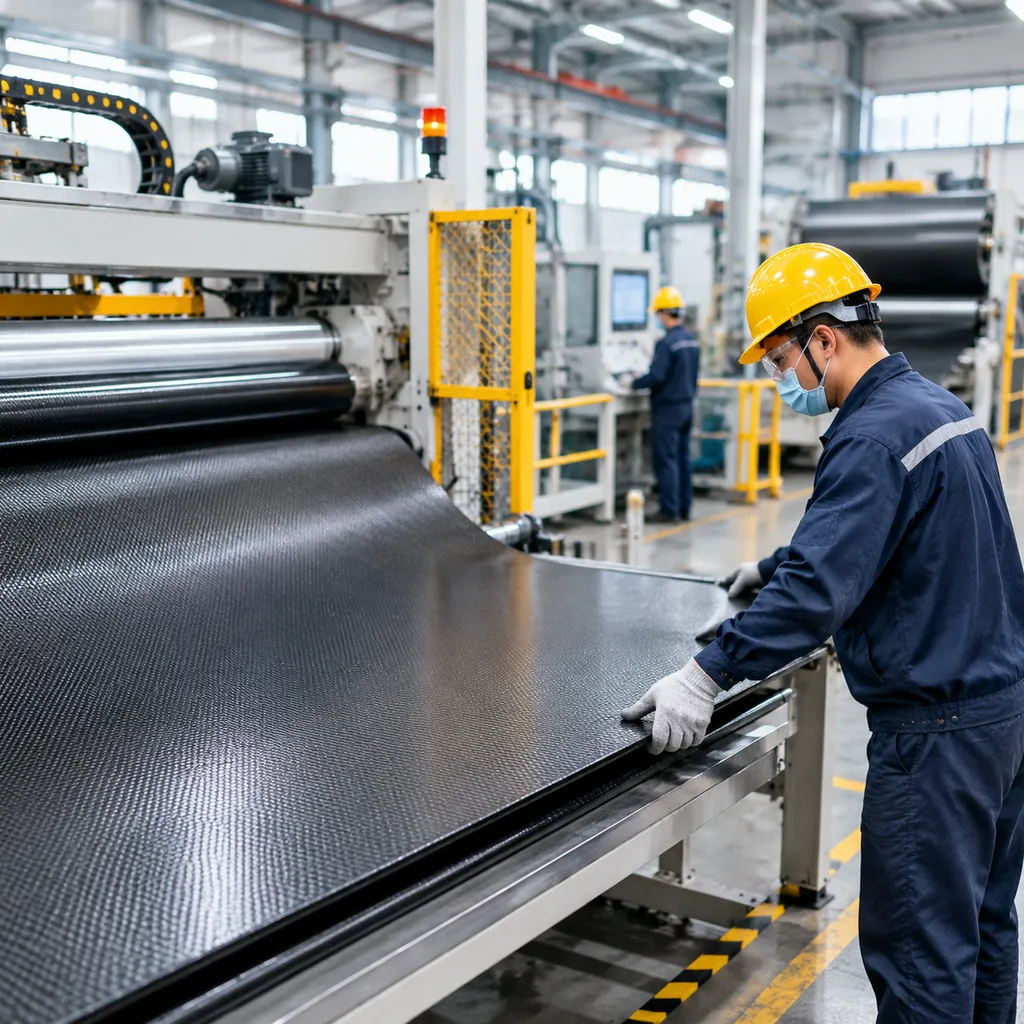
When ordering a custom UHMWPE textured sheet: features and uses dictate every manufacturing parameter—from base thickness down to pattern depth. Because ultra-high molecular weight polyethylene cannot be processed like standard commodity resins, setting strict manufacturing tolerances ensures your panels lay flat, grip securely, and last under punishing loads.
Selecting Sheet Thickness, Dimensions, and Texture Depth
Texture depth must match your traction demands without compromising the base structural integrity of the sheet. For high-traffic ground cover or vehicle access, we press heavier profiles directly into the sheet face during compression molding.
| Target Application | Base Thickness | Pattern / Texture Depth | Standard Panel Size |
|---|---|---|---|
| Pedestrian Walkways | 6 mm to 10 mm (1/4″ – 3/8″) | 1.0 mm – 1.5 mm (Haircell / Pebble) | 1220 x 2440 mm (4′ x 8′) |
| Outrigger & Stabilizer Pads | 25 mm to 100 mm (1″ – 4″) | 2.5 mm – 4.0 mm (Diamond Plate) | 1000 x 1000 mm / Custom round |
| Heavy Track Access Mats | 12.7 mm to 25 mm (1/2″ – 1″) | 4.0 mm – 7.0 mm (Aggressive Cleat) | 2440 x 4880 mm (8′ x 16′) |
| Chute & Hopper Liners | 8 mm to 15 mm (5/16″ – 5/8″) | 1.5 mm – 2.0 mm (Ribbed Drain) | Slit-to-width coils or sheets |
Always account for effective thickness: An embossed polyethylene panel with a 12 mm overall profile that has a 3 mm lug pattern provides only 9 mm of solid structural foundation under point-load stress.
Dual-Color Co-Extrusion for Visual Wear Indication
For critical safety paths, marine decks, and heavy industrial chutes, we utilize co-extruded, dual-color sheets:
- Top Skin (1 mm to 3 mm): High-visibility color (safety yellow, orange, or white) featuring your selected anti-slip pattern.
- Substrate Core: High-contrast base color (typically black or dark gray).
- Visual Safety Alert: As the traction surface reaches the end of its functional wear life under continuous abrasive traffic, the underlying color shows through clearly. This eliminates guesswork during routine maintenance walk-throughs.
Resin Traceability, Flatness Standards, and Quality Inspection
Consistent field performance requires tight material verification. Before locking down raw material specs, reviewing our UHMWPE sheet buying guide helps match exact polymer grades to site load demands.
- Molecular Weight Verification: True ultra-high molecular weight polyethylene requires a molecular weight between 3.5 to 9.0 million g/mol. We verify virgin resin batches using ASTM D4020 intrinsic viscosity testing to prevent low-grade HDPE blending.
- Controlled Annealing for Flatness: Rapid cooling after pressing locks internal stress into thick plastic, causing it to cup or bow in the field. Our manufacturing process uses extended, controlled cool-down cycles to maintain a flatness tolerance within 2 mm per linear meter.
- Dimensional Inspections: Precision CNC routers cut finished sheets to size, holding edge squareness within ±0.5 mm to ensure seamless modular interlocking for ground protection grids.
Frequently Asked Questions: UHMWPE Textured Sheet Features and Uses
Can you thermoform or bend textured UHMWPE sheets?
Standard thermoforming and deep-draw vacuum molding do not work on an ultra-high molecular weight polyethylene sheet. Because of its massive molecular chains, UHMWPE does not melt into a free-flowing liquid; instead, it enters a rubbery, gel-like state when heated.
- Line Bending: You can achieve simple angle bends using localized radiant heat strips, but you must heat both sides evenly to roughly 140°C to 150°C (284°F to 302°F) and clamp the sheet in a jig until it cools completely.
- Texture Distortion: Overheating will relax the surface tension and flatten raised diamond or pebble profiles.
- Machining Preferred: For custom shapes, we recommend CNC routing, milling, and mechanical fastening rather than thermal reshaping.
How do textured UHMWPE sheets perform in freezing winter environments?
Textured UHMWPE delivers exceptional cold-temperature impact resistance. Unlike standard PVC, rubber, or basic polypropylene that turn brittle and shatter under sub-zero heavy wheel loads, UHMWPE maintains its physical ductility and impact strength down to cryogenic temperatures (-150°C / -238°F).
This extreme sub-zero resilience is why our textured sheets lead the industry in harsh Arctic conditions. When used as temporary roadways or a high-traction UHMWPE trench cover, the panel flexes over frozen, uneven ruts without snapping, and the raised tread provides positive mechanical grip when ice, snow, or slush coats the surface.
What is the best way to clean and maintain textured plastic surfaces?
Because UHMWPE has near-zero moisture absorption and an ultra-slick non-stick chemical structure, debris cannot bond to the resin. Cleaning heavy mud, grease, or chemical spills off textured profiles is straightforward:
- Pressure Washing: Use commercial high-pressure water sprayers (up to 3,000 PSI). Hot water or steam wash-downs will not degrade the material.
- Chemical Cleaners: You can apply industrial degreasers, citrus-based solvents, strong alkaline washes, or dilute acids without etching or staining the plastic.
- Mechanical Brushing: Stiff-bristle rotary sweepers safely strip dried slurry, sand, and clay out of deep traction grooves without eroding the pattern.
Does adding surface texture weaken the material’s wear life?
No. When produced through matched-die compression molding, texturing does not compromise the molecular integrity or weaken the sheet. In fact, an embossed diamond or lug pattern often extends service life:
- Sacrificial Contact Points: Raised profiles absorb the primary abrasive grinding from steel tracks, rock slurry, and heavy boots, shielding the base thickness of the sheet.
- Uncompromised Core: Unlike mechanically grooved panels that cut into the resin and create stress concentrations, compression-molded profiles maintain continuous molecular chains.
- Reliable Thickness: Compared to other engineering plastic materials, even after years of relentless scraping wear down the raised pattern, you are still left with an ultra-tough, abrasion-resistant UHMWPE core sheet that continues to protect your sub-base.