
Laser pipe cutting machine variable diameter tugboat
NyIon/POM/PTFE
Wear resistant/graduated
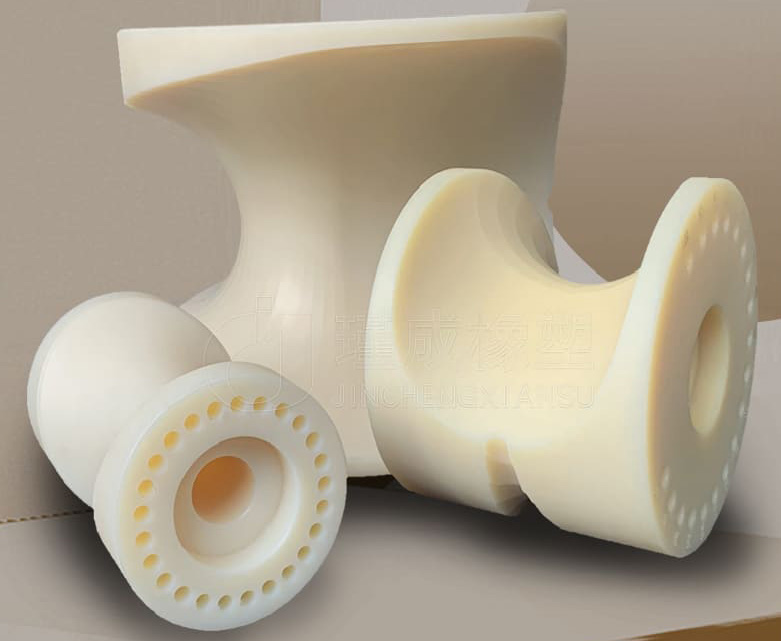
product presentaion
————————————
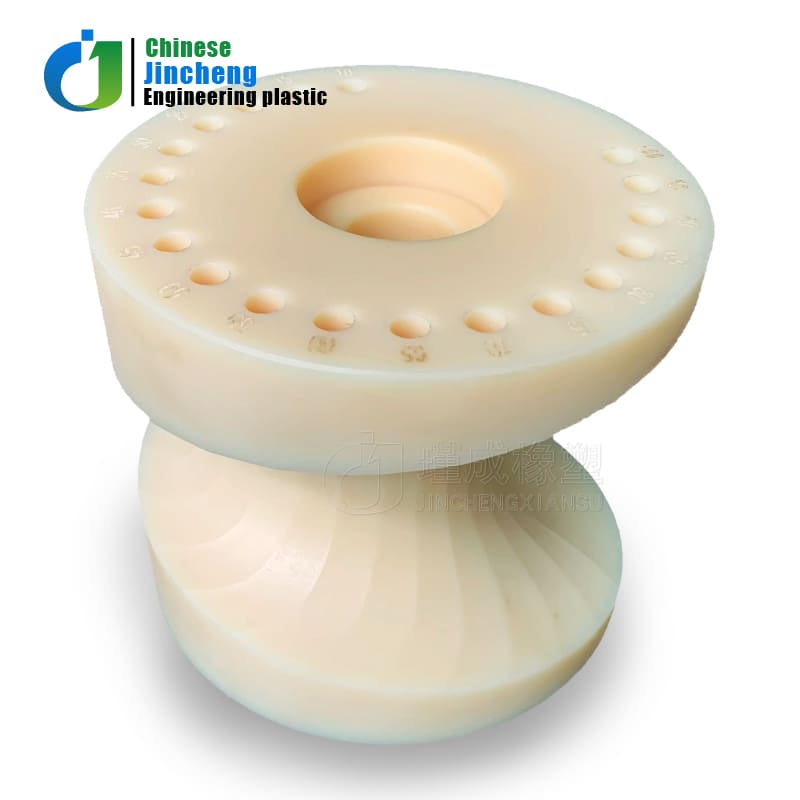
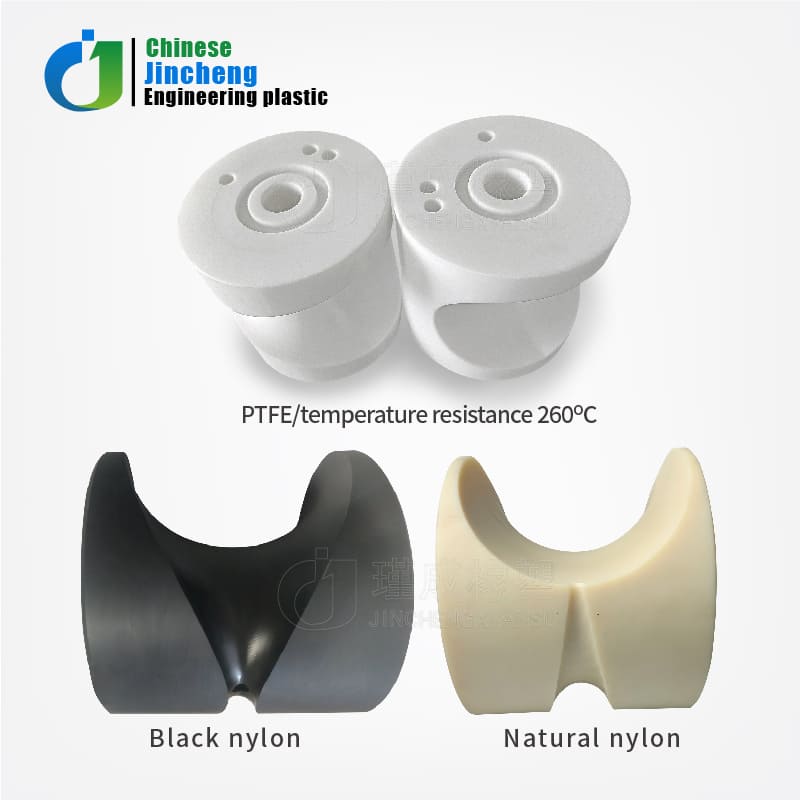
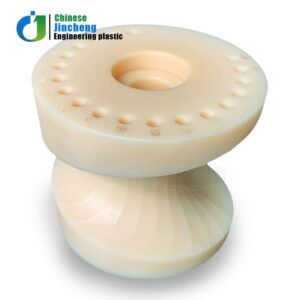
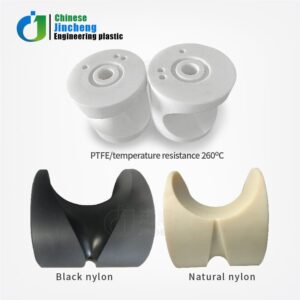
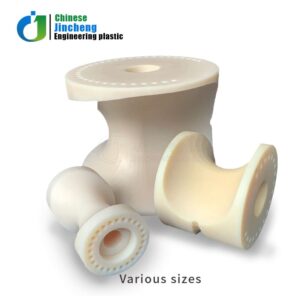
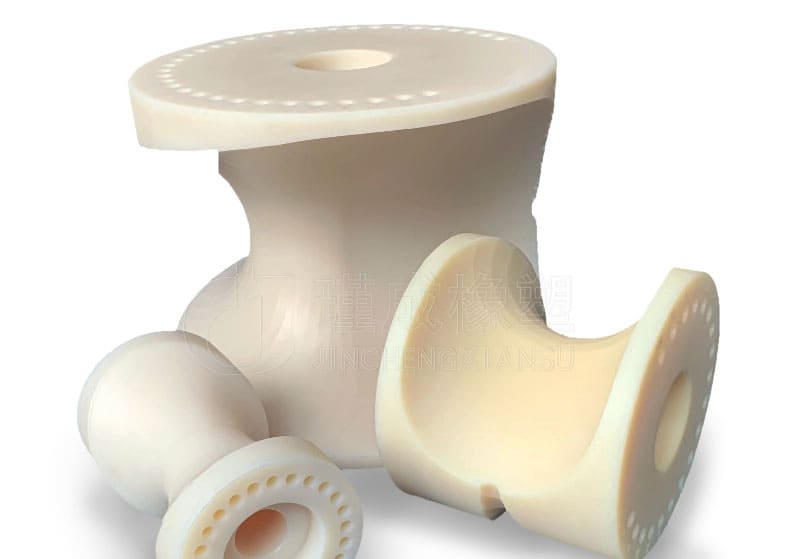
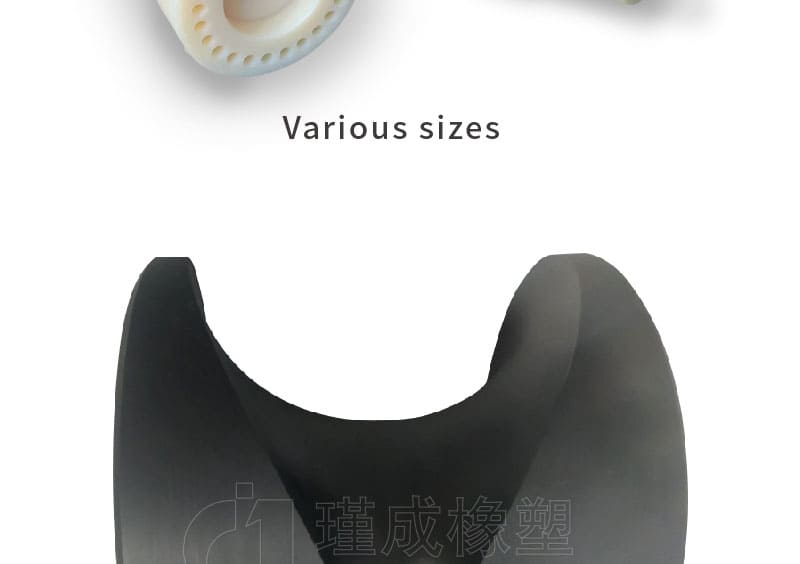
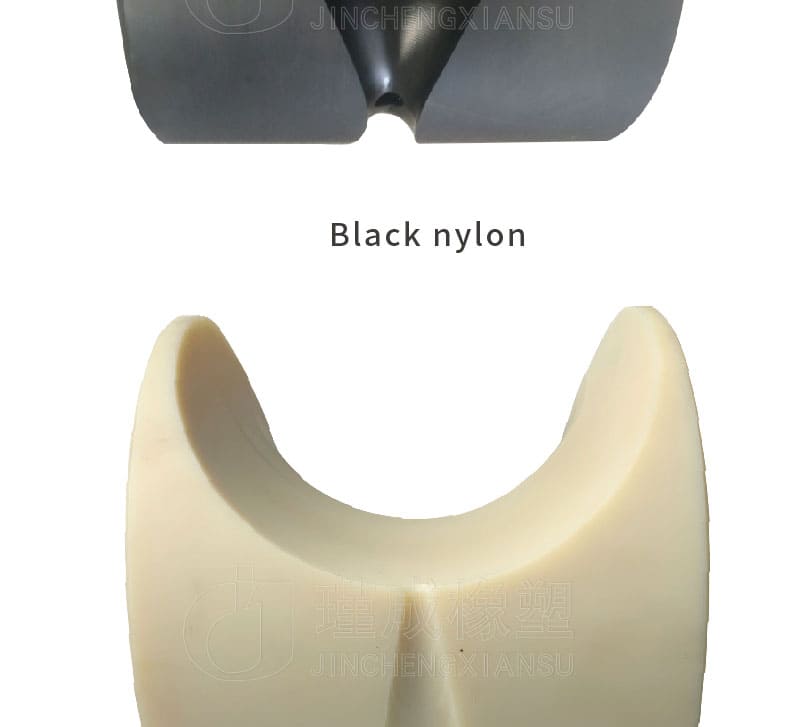
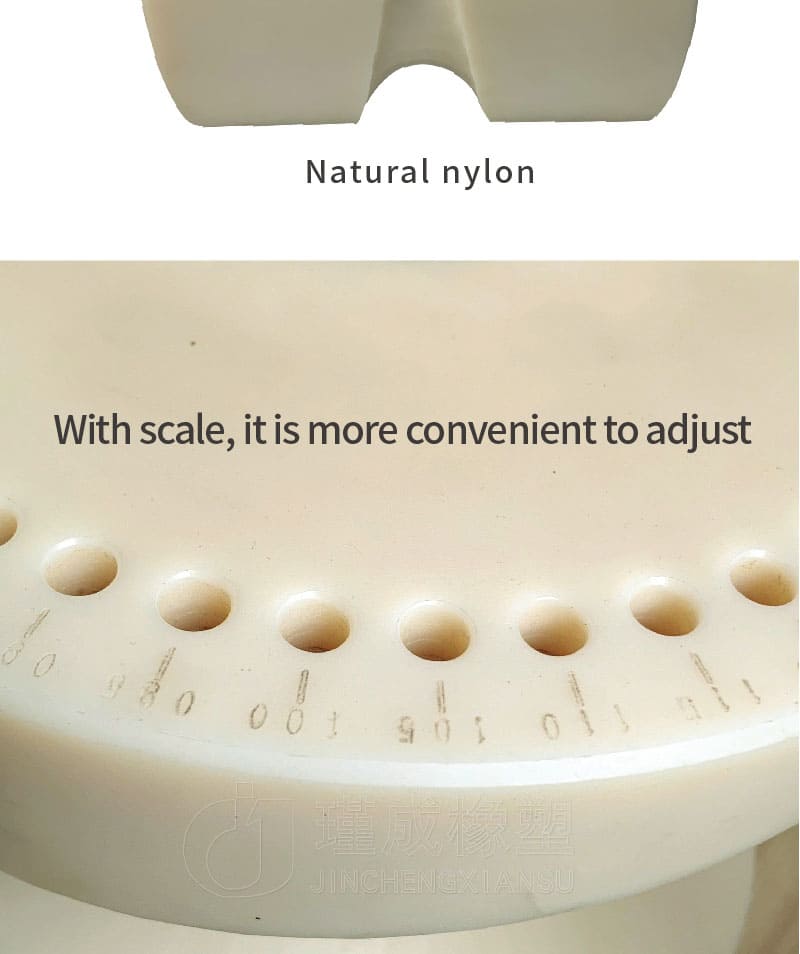
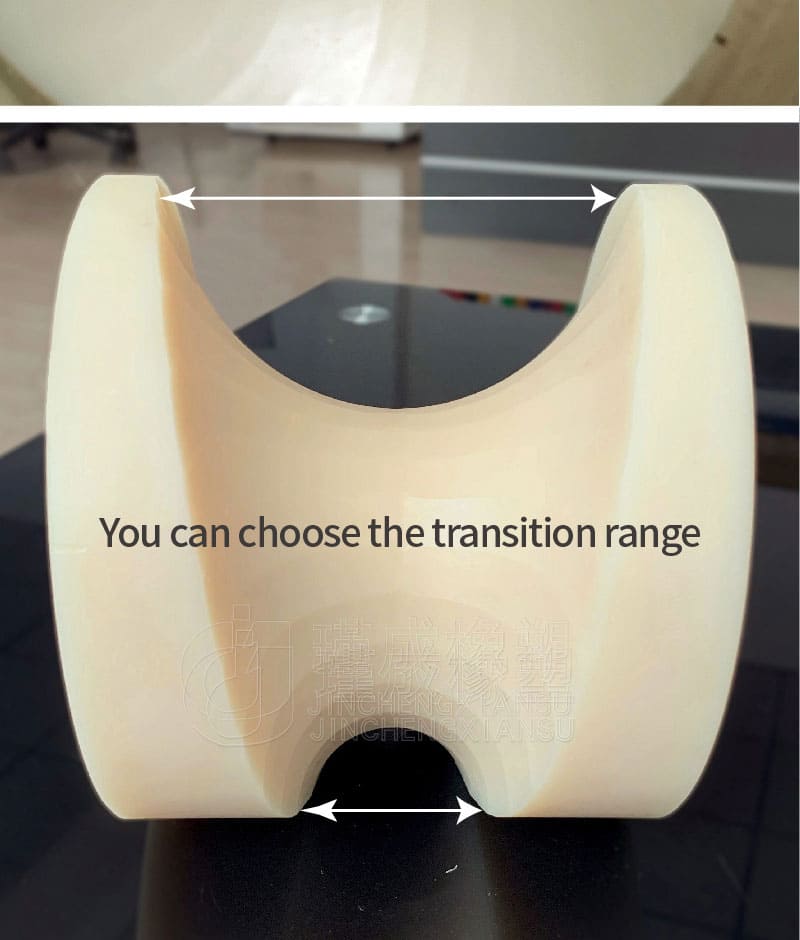
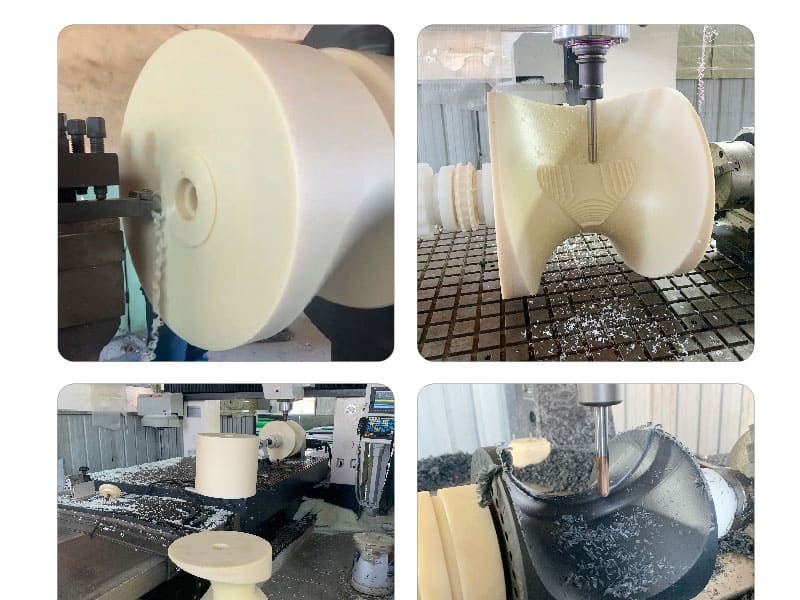
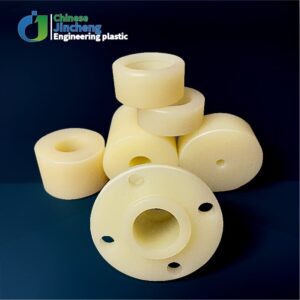
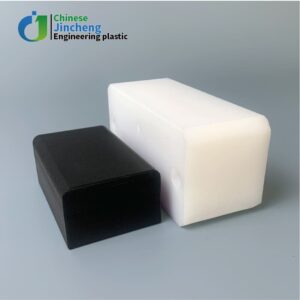
Laser cutting machine nylon variable diameter tugboat, made of high-quality wear-resistant MC nylon material, processed by lathe and milling machine, with good wear resistance and strong load-bearing capacity. Before placing an order, please consult customer service to confirm the drawing of the variable diameter wheel. Alternatively, you can provide a drawing for processing according to the drawing. The default material is nylon natural color. If black is required, please specify the color when placing the order.
———————————–
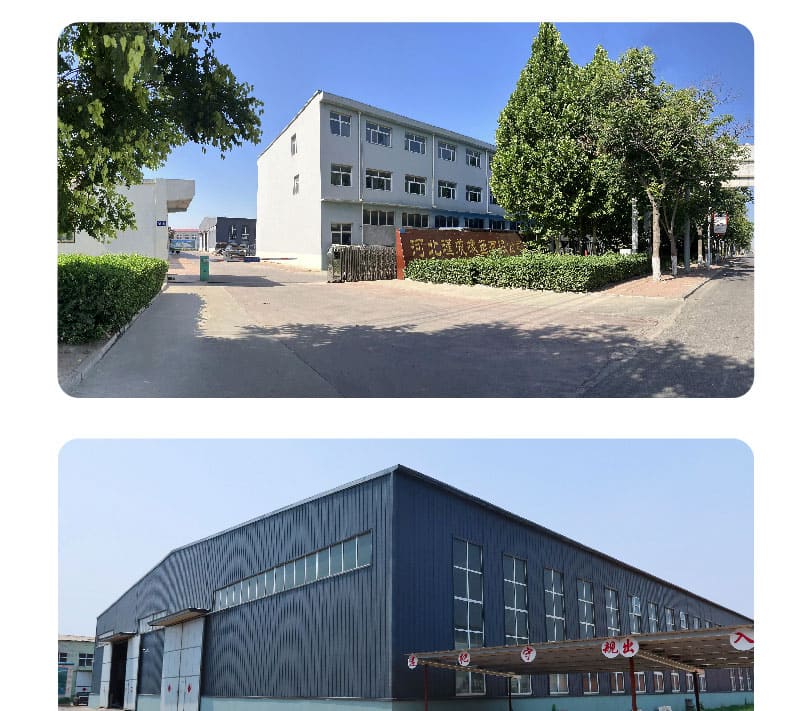
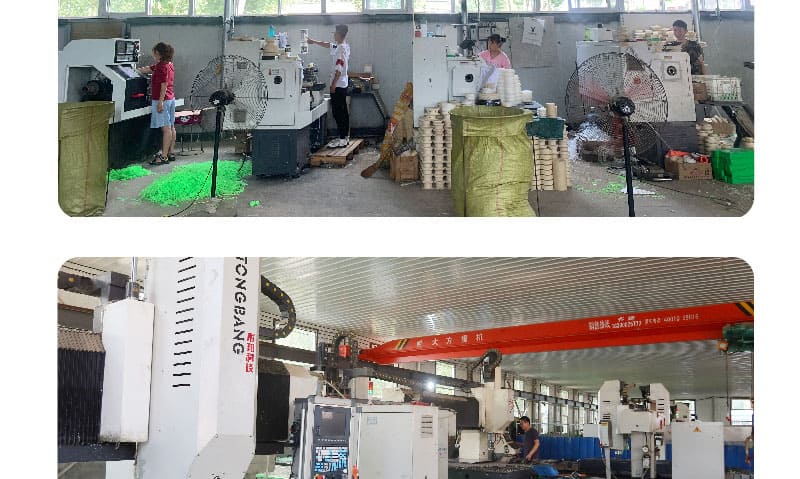
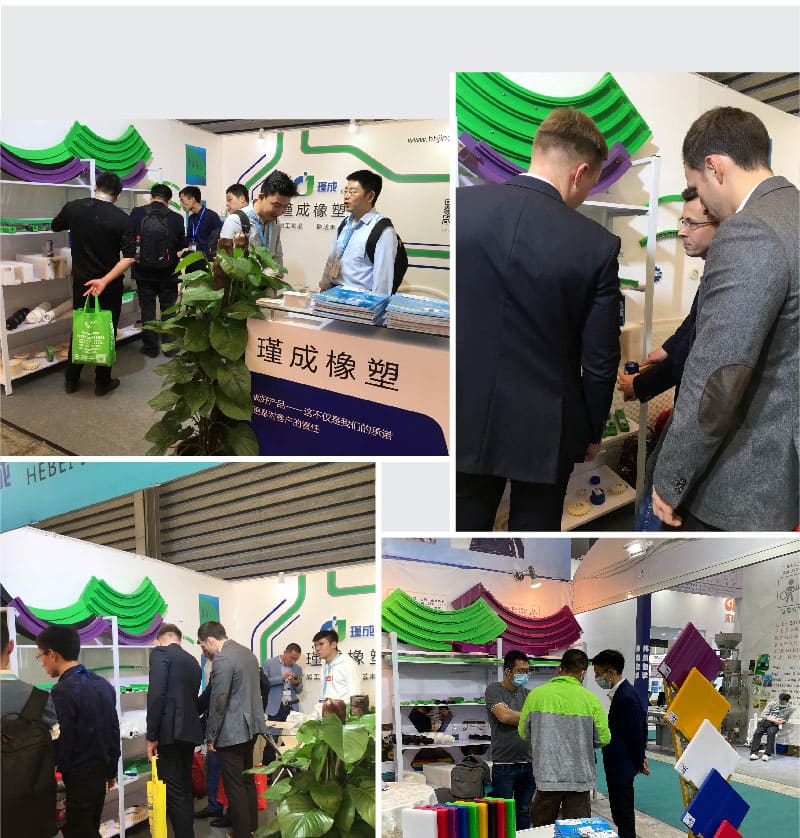
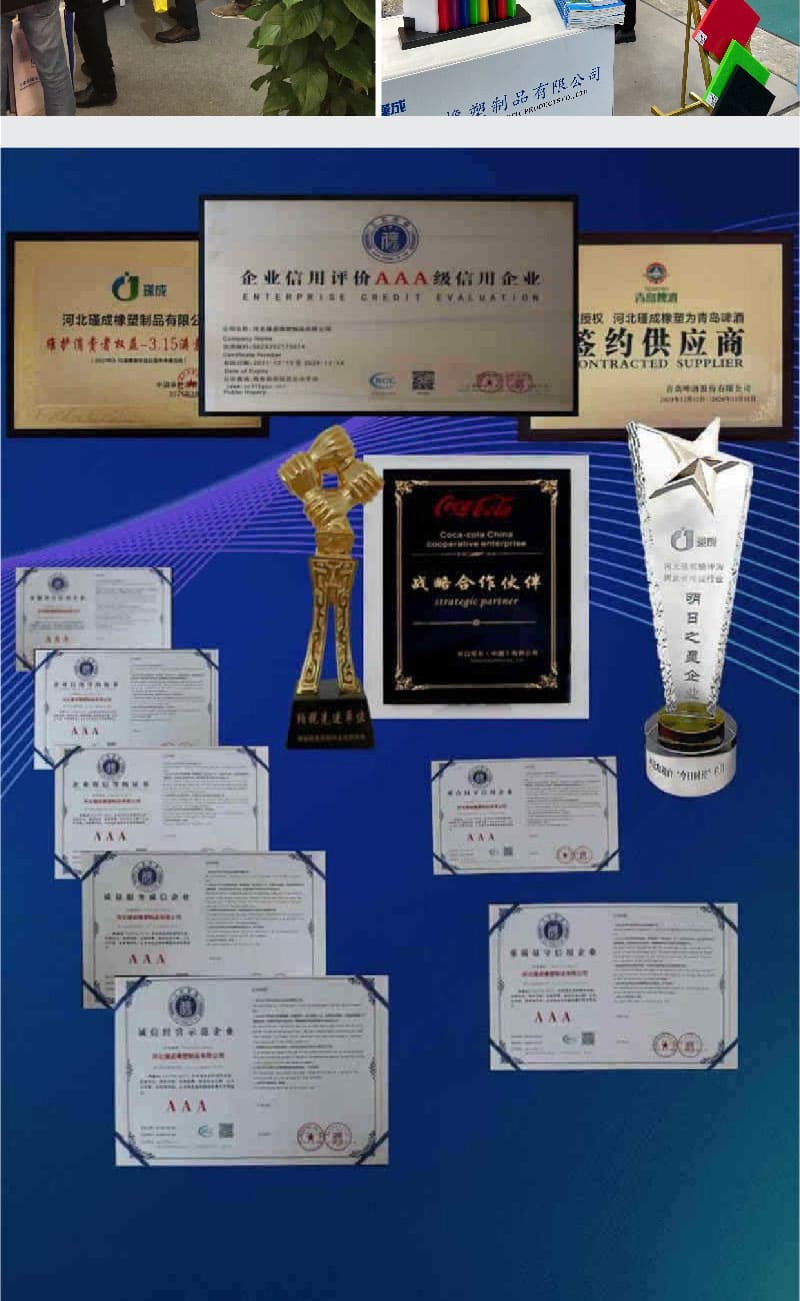
Hebei Jincheng Rubber and Plastic Products Co., Ltd., after more than 10 years of development and growth, has become a processing plant with a factory area of 10000 square meters, 5 product design and development personnel, 12 senior technicians, and more than 100 employees, processing tens of thousands of products per day. The company mainly produces polyethylene sheets, nylon sheets, nylon rods, and related processed products. The main products include can flippers, magnetic bending rails, bottle separating screws, center guide columns, chain guides, star wheel guards, chain plates, sprockets, guardrails, brackets, bottle catchers, nylon variable diameter wheels, nylon sliders, nylon shaft sleeves, shaped machined parts, and so on. Widely used in equipment such as conveyor lines, canning machines, bottle sorting machines, labeling machines, etc.
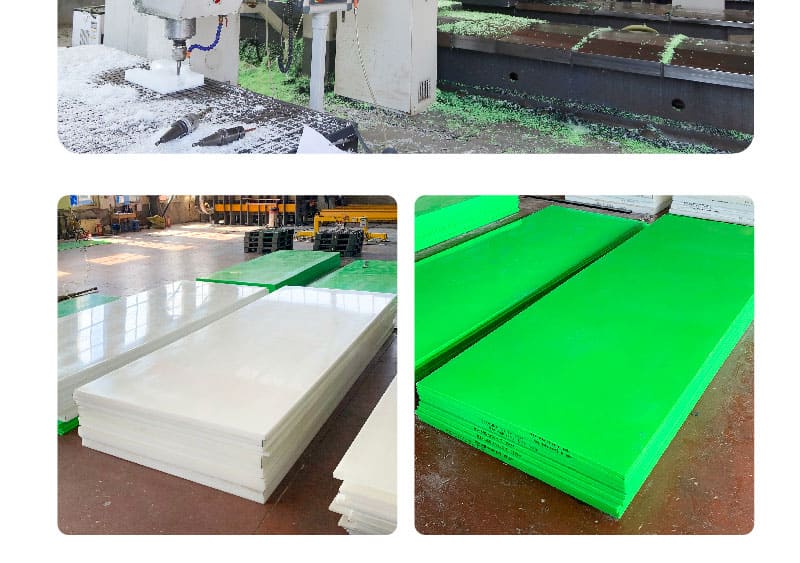
Product processing display
———————————–
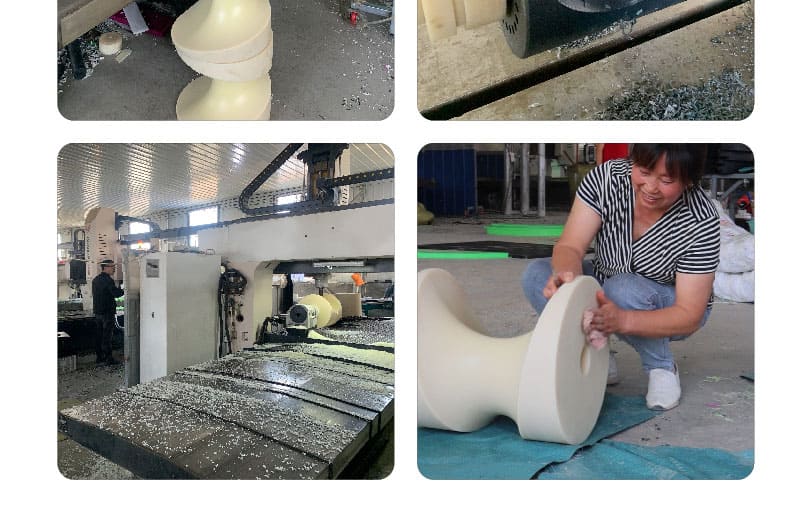
To ensure that every product we send out is to your satisfaction, we strictly manage every step and detail
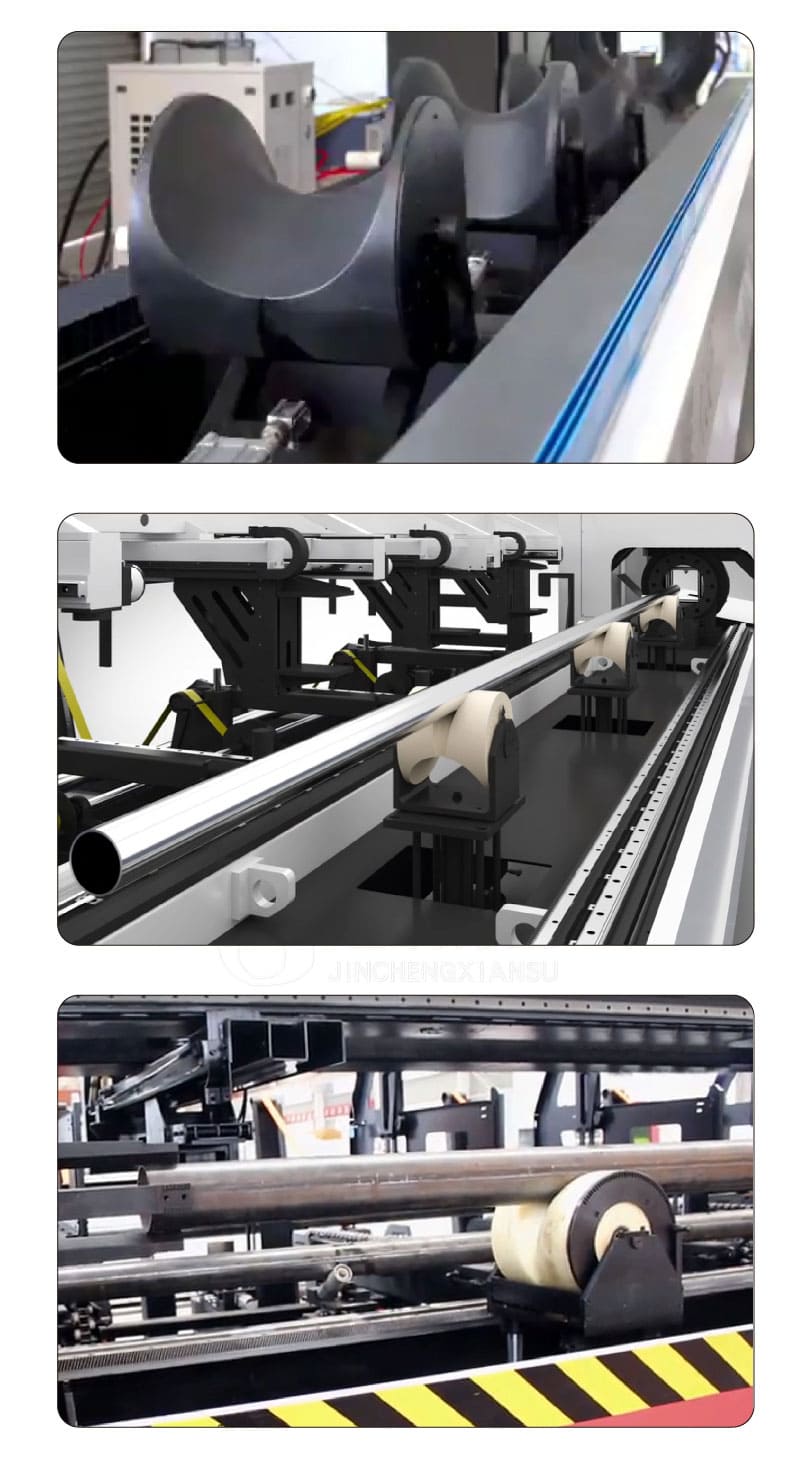
Application scenario
———————————–
This product is mainly used in the automatic feeding system of laser pipe cutting machines. According to the different diameters of the cut pipes, the diameter of the pipe can be adjusted by adjusting the angle of the variable diameter wheel to change the diameter of the pipe, which plays a role in adjusting the horizontal lifting of the pipe.
# How to Choose the Right Tugboat Roller for Your Laser Pipe Cutting Machine
**Target Keyword:** laser pipe cutting machine tugboat roller / nylon variable diameter wheel laser tube cutter
**Word Count:** ~1,500
**Audience:** Engineers, procurement specialists, laser machine operators
**Tone:** Professional but conversational
—
If you’ve ever watched a laser tube cutting machine feed pipes at high speed with perfect consistency, you’ve probably wondered what keeps everything aligned so smoothly. The answer, more often than not, is something most people overlook: the tugboat roller — or more precisely, the **nylon variable diameter wheel**.
Small part, big job. Let’s talk about what it actually does, why the material matters, and how to pick the right one before you end up with a machine that’s grinding through rollers every three months.
—
## What Is a Tugboat Roller, Exactly?
In a laser pipe cutting machine, the automatic feeding system is responsible for moving raw tubes from the loading area into the cutting zone. It’s a conveyor-style mechanism that needs to handle pipes of wildly different diameters — from skinny 10mm tubes to hefty 450mm profiles — while maintaining consistent grip, axial alignment, and zero surface damage.
The tugboat roller (also called a variable diameter wheel or eccentric wheel) is the component that physically contacts the pipe. It rotates as the pipe moves forward, guides it into position, and adjusts its effective contact diameter depending on the pipe size.
Without a well-designed roller, you get:
– **Slippage** — the pipe shifts laterally, ruining cut accuracy
– **Surface scratching** — metal-on-metal contact is a disaster for finished pipes
– **Excessive wear** — hard rollers wear down both themselves and the pipe
– **Feeding jams** — especially with irregular or oval-section profiles
The right tugboat roller essentially disappears into the workflow. You don’t notice it. That’s exactly the point.
—
## Why Nylon (and Not Metal or Rubber)?
This is where a lot of buyers make mistakes. There are three common materials used for tugboat rollers in laser cutting feeders: steel, rubber, and engineering plastics like nylon. Each has its place, but for laser pipe cutting, **MC nylon** has become the dominant choice — and for good reason.
### Steel Rollers
Hard, durable, and long-lasting under compressive loads. But steel-on-pipe contact is aggressive. For any application where surface finish matters — automotive tubing, stainless profiles, pre-painted structural sections — steel rollers will leave marks. They also transmit vibration directly into the pipe, which can affect cut quality at the laser head.
### Rubber Rollers
Soft, grippy, and surface-friendly. Great for low-speed conveyors. But rubber degrades quickly under heat and mechanical stress. In a high-throughput cutting environment, rubber rollers compress unevenly, lose their shape, and end up creating alignment problems rather than solving them.
### MC Nylon (Cast Nylon)
This is the sweet spot. MC nylon — monomer cast nylon — offers a combination of properties that’s hard to beat for this application:
– **Self-lubricating**: Nylon has a low coefficient of friction, which means less heat buildup and less wear on both the roller and the pipe surface
– **High wear resistance**: MC nylon outperforms standard PA6 or PA66 and holds its dimensional tolerance under repeated load cycles
– **Excellent load bearing**: Dense enough to support heavy pipes, flexible enough to absorb minor vibration
– **Chemically inert**: Won’t react with cutting oils, coolants, or metal dust — all of which are present in a laser cutting environment
– **Machinability**: Can be precision-turned and milled to tight tolerances, which matters for the variable-diameter adjustment mechanism
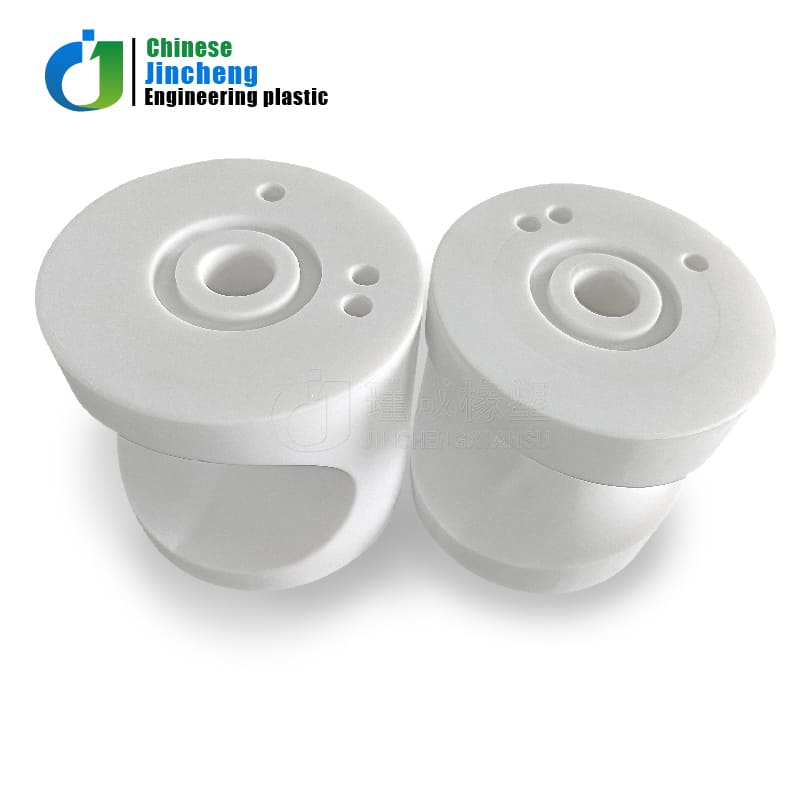
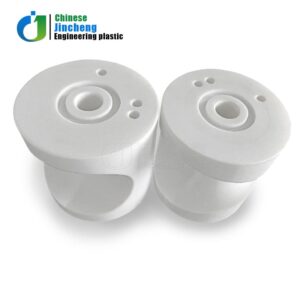
Some high-demand applications also use **POM (Polyoxymethylene)** or **PTFE-enhanced nylon** for even lower friction or higher chemical resistance. These are worth considering if your cutting environment is particularly aggressive.
—
## Understanding the Variable Diameter Design
Here’s where things get interesting from an engineering standpoint. A “variable diameter wheel” isn’t just a wheel with a range of sizes — it’s a single component with an adjustable contact geometry.
The wheel is mounted on an eccentric or angled shaft. By rotating the mounting angle, the effective contact radius changes. This lets a single roller accommodate tubes ranging — in the case of well-designed units — from 10mm all the way up to 450mm in diameter.
Why does this matter? Because in most production environments, you’re not cutting just one pipe size. You’re switching between jobs. A quick manual adjustment (or automatic servo-driven adjustment in higher-end machines) repositions the roller, and you’re back in production without swapping out components.
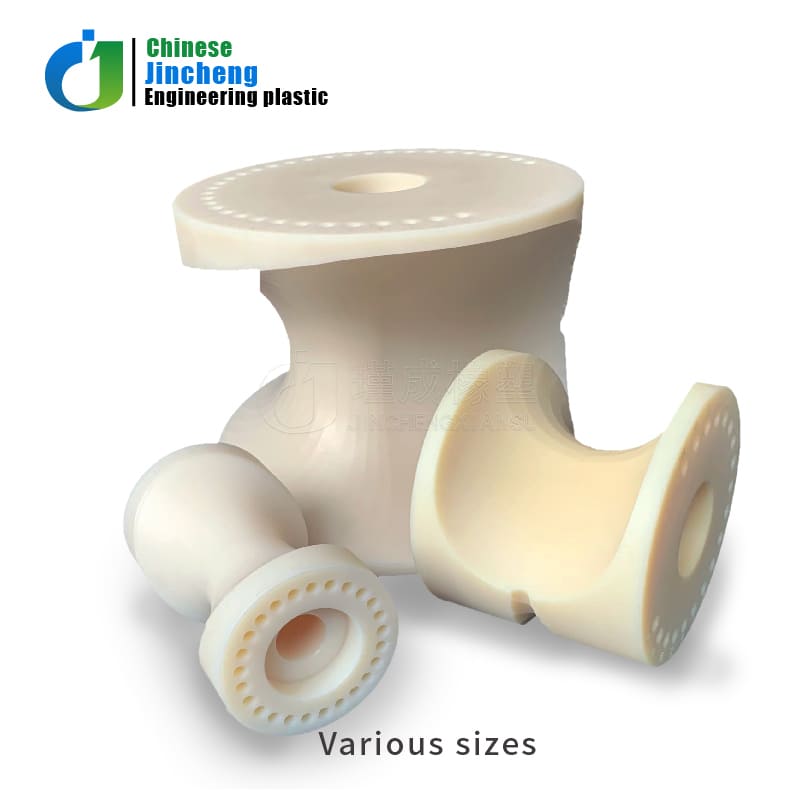
The style designation you’ll often see — like **10-150** or **10-300** — refers to the diameter range the wheel covers. A 10-150 roller handles pipes from 10mm to 150mm; a 10-300 goes up to 300mm. Choosing the right range for your typical production mix is the first spec decision to nail down.
—
## Key Specs to Check Before You Buy
When sourcing nylon variable diameter wheels for laser tube feeders, don’t just look at price per unit. Here’s what actually matters:
### 1. Diameter Range
Match the roller spec to your pipe range. Oversizing isn’t a problem, but don’t undersize — a 10-90 wheel trying to support a 150mm pipe will quickly fail.
### 2. Material Grade
Not all nylon is equal. Look for **MC nylon (Cast PA6)** as a baseline. If the listing just says “nylon” without specifying the grade, ask. PA6 machined from extruded rod is not the same as cast MC nylon in terms of density and wear performance.
### 3. Machining Tolerance
The adjustment mechanism of a variable diameter wheel depends on precise geometry. Tolerance deviations in the eccentric profile translate directly to inconsistent pipe support. Parts machined on CNC lathes and milling machines to engineering drawings will consistently outperform parts produced to loose tolerances.
### 4. Surface Finish
The contact surface that interfaces with the pipe should be smooth and free of tool marks. Rough surfaces accelerate both roller wear and pipe surface damage.
### 5. Custom Drawing Support
In many cases, your laser cutting machine manufacturer has specified a proprietary wheel geometry. A good supplier should be able to manufacture to customer-provided drawings, not just sell off-the-shelf dimensions. If you’re replacing OEM parts, always confirm the drawing before ordering.
### 6. Color / Material Variants
Standard MC nylon is natural white/ivory. Black nylon (carbon black filled) is also available and offers slightly higher stiffness and UV resistance. For most indoor laser cutting applications, the difference is minimal — but good to know if you’re specifying in a stricter environment.
—
## How Often Should You Replace Them?
Roller lifespan depends heavily on:
– **Throughput volume** — hours of operation per shift
– **Pipe material** — steel pipes are harder on rollers than aluminum
– **Pipe surface condition** — scale, burrs, or rough weld seams accelerate wear
– **Roller diameter range in use** — working near the extremes of the adjustment range puts more stress on the contact geometry
As a general benchmark, in a medium-throughput environment (single shift, mixed pipe types), well-made MC nylon rollers typically last **6 to 18 months** before showing measurable wear that affects feeding accuracy. High-throughput operations may see shorter intervals.
Signs it’s time to replace:
– Visible flat spots or grooving on the contact surface
– Inconsistent pipe tracking or lateral drift during feeding
– Unusual noise during feeding (squealing or scraping)
– Increased frequency of feeding jams
Keep a few spares on hand. They’re not expensive compared to the downtime cost of waiting for a replacement to ship.
—
## Sourcing Tips
The market for laser cutting machine consumables and wear parts has consolidated significantly around Chinese manufacturers — particularly from Hebei and Guangdong provinces — who have developed genuine expertise in engineering plastics machining. Quality varies, but there are reliable suppliers producing parts that meet or exceed OEM specifications.
When evaluating suppliers, look for:
– **In-house machining capability** (lathe + milling, not just outsourced)
– **Ability to produce to customer drawings**
– **Clear material specification** (not just “high quality nylon”)
– **Minimum order flexibility** — useful for testing before committing to large volumes
– **Responsive technical support** — especially important when you need to confirm specs against your machine’s requirements
If you’re replacing parts on a major brand machine (Bodor, HSG, Bystronic, Trumpf, etc.), it’s worth checking whether the roller geometry is standardized across the industry or proprietary to that manufacturer. Many third-party parts are compatible; some aren’t.
—
## Bottom Line
The nylon variable diameter wheel doesn’t show up in glossy brochures. It doesn’t win awards. But it’s one of the components that determines whether your laser pipe cutting machine feeds cleanly, cuts accurately, and runs without interruption.
Choosing the right material (MC nylon as a baseline, POM or PTFE-enhanced for demanding environments), matching the diameter range to your production profile, and sourcing from a supplier with real machining capability rather than just catalog stock — that’s how you turn a small consumable into a genuine productivity asset.
If you’re sourcing variable diameter wheels for your laser cutting line, [Jincheng Plastic](https://jinchengplastic.com/product/nylon-variable-diameter-wheel-plastic-accessories-eccentric-wheel/) manufactures MC nylon tugboat rollers in a full range of sizes (10-90 through 10-450), with custom drawing support and direct factory pricing. Worth a look before your next maintenance cycle.
—
*Tags: nylon variable diameter wheel, laser pipe cutting machine parts, tugboat roller, MC nylon roller, laser tube cutter consumables, eccentric wheel, pipe feeding system*
Reviews
There are no reviews yet.